

If you own rental property in Brooklyn, you already know that not all neighborhoods are created equal. Park Slope and Prospect Heights sit just blocks apart, but the day-to-day realities of managing buildings in each area can look surprisingly different.
This guide breaks down the key factors that affect your workload, costs, and bottom line: so you can make smarter decisions about your rental property management in Brooklyn.
What Types of Buildings Are Common in Each Neighborhood?
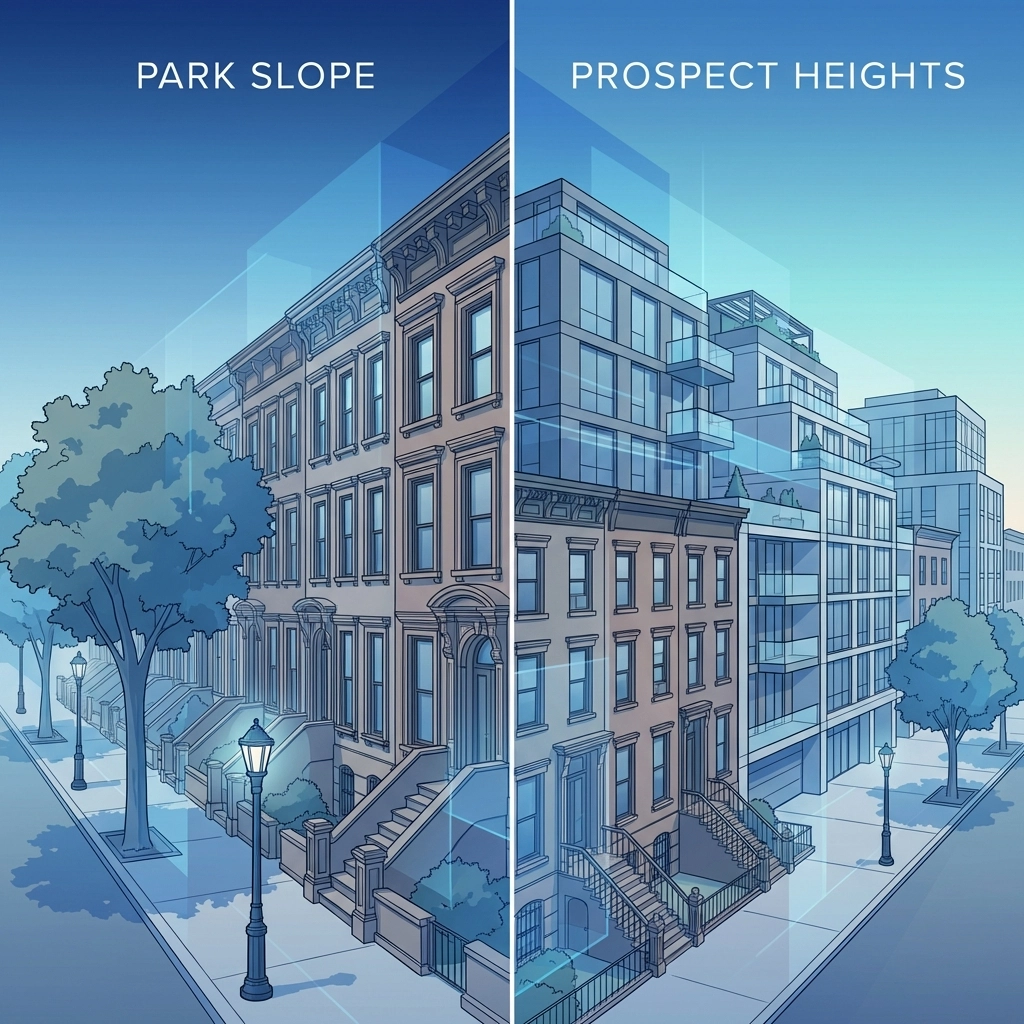
Park Slope is famous for its historic brownstones and limestone row houses, many built between the 1880s and 1920s. These buildings are beautiful, but they come with aging infrastructure: original plumbing, outdated electrical systems, and facades that require regular maintenance to stay compliant with Local Law 11 inspection requirements.
Prospect Heights has a more varied building stock. You'll find classic brownstones similar to Park Slope, but also a growing number of mid-rise apartment buildings and newer mixed-use developments near Atlantic Avenue and the Barclays Center. This mix means owners in Prospect Heights may deal with a wider range of building systems: from century-old boilers to modern HVAC units.
Common issues by neighborhood:
| Park Slope | Prospect Heights |
|---|---|
| Aging plumbing and cast iron pipes | Mix of old and new building systems |
| Facade deterioration on historic buildings | More elevator buildings requiring maintenance |
| Limited electrical capacity in older units | Higher tenant turnover near commercial corridors |
| Tree root damage to sewer lines | Noise complaints near Barclays Center |
How Does the Rent-Stabilized Mix Compare?
Both neighborhoods have a significant number of rent-stabilized units, but the mix varies.
Park Slope's older brownstone stock means many buildings fall under rent stabilization rules: especially those with six or more units built before 1974. Owners here often manage a combination of stabilized and market-rate units within the same building, which adds complexity to lease renewals, rent increases, and DHCR compliance.
Prospect Heights has seen more new construction over the past 15 years, so a higher percentage of units are market-rate. However, rent-stabilized buildings still exist throughout the neighborhood, particularly in the blocks between Washington and Vanderbilt Avenues.
If you own a rent-stabilized building in either neighborhood, staying current on registration requirements, allowable rent increases, and tenant protections is essential. Mistakes can lead to overcharge claims and costly penalties. Our rent stabilization compliance guide covers the basics every owner should know.
What Do Tenants Expect in Park Slope vs Prospect Heights?
Tenant expectations are shaped by neighborhood demographics and price points: and both areas attract renters willing to pay premium rents.
Park Slope tenants tend to be families and professionals who prioritize quiet, tree-lined streets and proximity to Prospect Park. They expect responsive maintenance, well-kept common areas, and buildings that feel like homes rather than apartment complexes. Many have lived in the neighborhood for years and know their rights under rent stabilization laws.
Prospect Heights tenants skew slightly younger and more transient, especially in buildings near the Barclays Center and Atlantic Terminal. They value convenience, modern finishes, and quick responses to maintenance requests. Turnover tends to be higher here, which means more frequent leasing cycles and make-ready costs between tenants.
In both neighborhoods, slow communication or deferred maintenance can quickly lead to HPD complaints: something no Brooklyn property management company wants to deal with.

How Do Maintenance and Vendor Costs Differ?
Maintenance costs in Park Slope tend to run higher due to the age of the building stock. Plumbing repairs, facade work, and roof replacements on 100-year-old brownstones require specialized contractors who understand historic construction methods. Finding a plumber who can work on cast iron pipes or a mason experienced with brownstone restoration isn't always easy: or cheap.
Prospect Heights offers a bit more flexibility. Newer buildings have modern systems that are easier (and less expensive) to service. That said, buildings with elevators add a layer of complexity and cost that most Park Slope brownstones don't have.
Typical vendor cost considerations:
- Brownstone facade repairs: $15,000–$50,000+ depending on scope
- Boiler replacement in a 6-unit building: $25,000–$40,000
- Elevator maintenance contracts: $400–$800/month
- Emergency plumbing (cast iron): 20–30% higher than PVC repairs
Working with a Brooklyn property management company that has established vendor relationships can significantly reduce these costs through buying power and pre-negotiated rates.
What DOB and HPD Compliance Issues Should You Watch For?
Both Park Slope and Prospect Heights fall under the same New York City building codes, but the types of violations owners encounter tend to differ based on building age and type.
Common Park Slope violations:
- Local Law 11 facade inspection failures
- Lead paint violations in pre-1960 buildings
- Illegal basement or cellar conversions
- Window guard complaints
- Smoke/carbon monoxide detector issues
Common Prospect Heights violations:
- Elevator inspection lapses
- Certificate of occupancy discrepancies in converted buildings
- Fire safety equipment deficiencies in larger buildings
- Noise and nuisance complaints near commercial areas
HPD violations can escalate quickly if not addressed. Class C (immediately hazardous) violations require correction within 24 hours, and failure to comply can result in fines, emergency repair charges billed to the owner, and negative impacts on building sales.
For a full breakdown of compliance requirements, check out our Brooklyn property management checklist for 2026.
What's the Dynamic Between Market Rent and Regulated Rent?
In Park Slope, market-rate units command some of the highest rents in Brooklyn: often $3,500–$5,000+ for a two-bedroom apartment. Rent-stabilized units in the same buildings may rent for $1,500–$2,500, creating significant gaps that affect overall NOI calculations.
Prospect Heights market rents are competitive but generally run 10–15% lower than equivalent Park Slope units. The gap between market and stabilized rents tends to be narrower, which can make budgeting more predictable but also limits upside when units turn over.
For owners with mixed portfolios, understanding this dynamic is critical for long-term financial planning and capital improvement decisions.
How Should You Approach Budgeting and CapEx?
Capital expenditure planning looks different in each neighborhood.
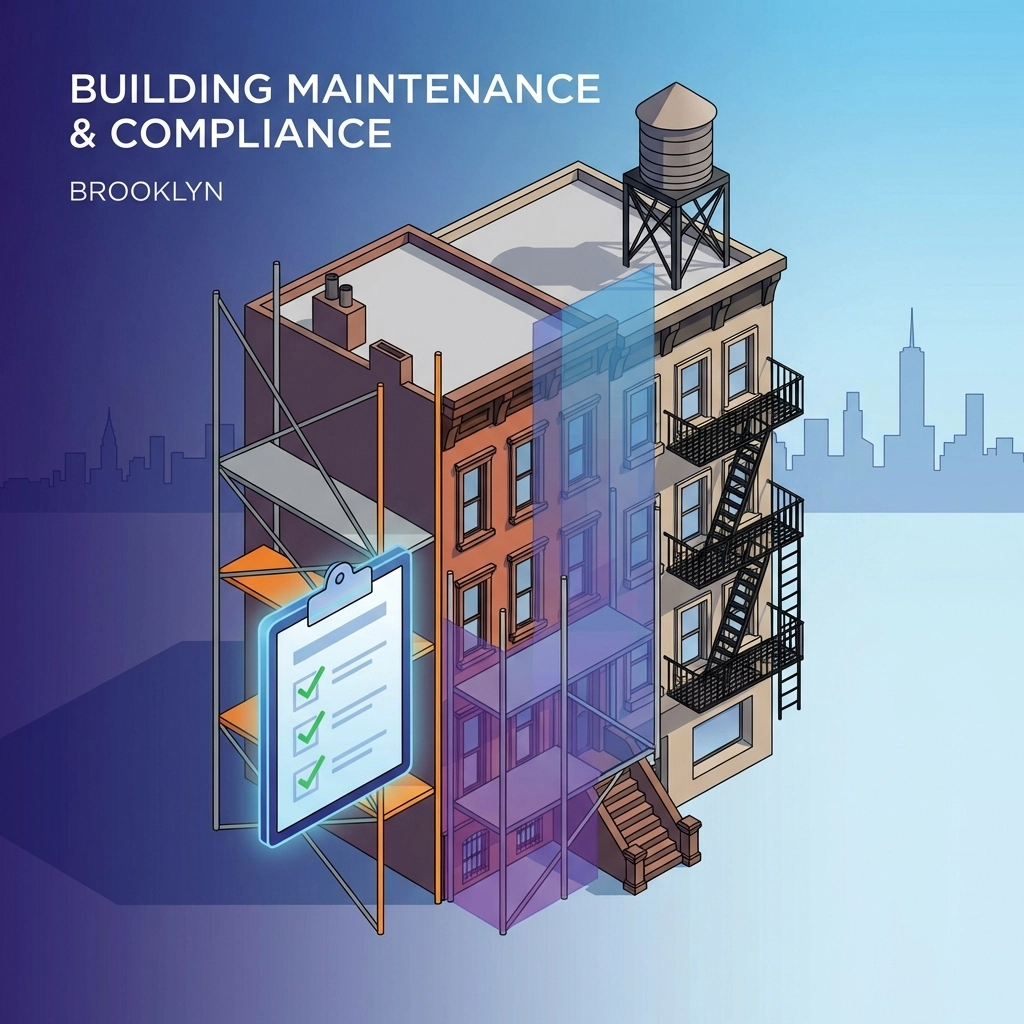
Park Slope: Budget for major system replacements on a rolling 10–15 year cycle. Facade work, roof replacement, and boiler upgrades are the big-ticket items. Many owners also invest in apartment renovations to justify Individual Apartment Improvements (IAIs) under rent stabilization rules: though recent law changes have capped how much of those costs can be passed through to tenants.
Prospect Heights: CapEx needs vary more widely depending on building age. Newer buildings may only need cosmetic updates and appliance replacements, while older stock requires the same attention as Park Slope properties. Elevator modernization is a significant expense that Park Slope brownstone owners typically don't face.
A good rule of thumb: reserve 5–10% of gross rental income annually for capital improvements and unexpected repairs.
What About Insurance and Local Law 97?
Insurance premiums in both neighborhoods have increased over the past few years, driven by climate-related risks (flooding, wind damage) and rising construction costs. Buildings with older electrical systems or deferred maintenance may face higher premiums or difficulty obtaining coverage.
Local Law 97 emissions requirements take effect in 2024, with stricter limits in 2030. Most smaller residential buildings won't face immediate fines, but owners of larger properties (25,000+ square feet) should start planning now. Our Local Law 97 compliance guide explains what's coming and how to prepare.
How Does a Property Manager Add Value in Each Neighborhood?
Whether you own in Park Slope or Prospect Heights, a qualified property manager can help you:
- Stay ahead of DOB and HPD compliance deadlines
- Navigate rent stabilization rules and DHCR filings
- Coordinate maintenance with vetted, cost-effective vendors
- Screen tenants thoroughly to reduce turnover and collection issues
- Provide 24/7 access to maintenance requests and financial reporting
The right Brooklyn property management company doesn't just collect rent: they protect your investment and free up your time.
Park Slope vs Prospect Heights: Side-by-Side Comparison
| Factor | Park Slope | Prospect Heights |
|---|---|---|
| Dominant building type | Historic brownstones | Mixed (brownstones + mid-rises) |
| Rent-stabilized prevalence | High | Moderate |
| Tenant expectations | Families, long-term stability | Younger, convenience-focused |
| Maintenance costs | Higher (aging systems) | Variable (depends on building age) |
| Common violations | Facade, lead paint, conversions | Elevator, fire safety, C of O |
| Market rent levels | Premium | Competitive |
| CapEx focus | Facade, roof, boiler | Varies; elevator modernization |
Why Brooklyn Property Owners Choose LLM
At Landlord Management, we specialize in property management in Park Slope, Prospect Heights, and across Brooklyn. Our approach is built on:
- Transparency at no extra charge: No hidden fees, clear monthly reporting
- 24/7 owner and tenant portal: Access financials, maintenance updates, and documents anytime
- Rent stabilization expertise: We handle DHCR filings, lease renewals, and compliance so you don't have to
- Vendor buying power: Our relationships with trusted contractors mean lower costs and faster service
- Simple pricing: One flat fee, no surprises
Whether you're managing a single brownstone or a portfolio across multiple neighborhoods, we make rental property management in Brooklyn straightforward.
Ready to see what professional management can do for your building?Request a proposal and let's talk about your property.