

Managing rent-stabilized properties in Brooklyn and Queens requires navigating a complex web of regulations that can overwhelm even experienced property owners. With approximately 1 million rent-stabilized units across New York City, these properties represent a significant portion of the rental market: but they come with strict compliance requirements that can result in costly penalties if mishandled.
Rent-stabilized properties are subject to oversight by the Division of Housing and Community Renewal (DHCR) and must follow guidelines set by the NYC Rent Guidelines Board (RGB). Property owners must manage annual registrations, comply with specific rent increase limitations, handle lease renewals according to strict protocols, and maintain buildings to required standards: all while protecting tenant rights that extend far beyond typical landlord-tenant relationships.
What Are the Core DHCR Registration Requirements?
Every rent-stabilized property owner must file annual registrations with DHCR by April 1st each year. This registration process involves submitting detailed information about each stabilized unit, including current rent amounts, tenant information, and any applicable rent increases from the previous year.
The registration must include:
- Legal rent for each unit as of October 1st
- Tenant names and lease terms
- Documentation of any rent increases taken during the registration year
- Building-wide improvement costs if applicable
- Individual apartment improvement costs exceeding $15,000
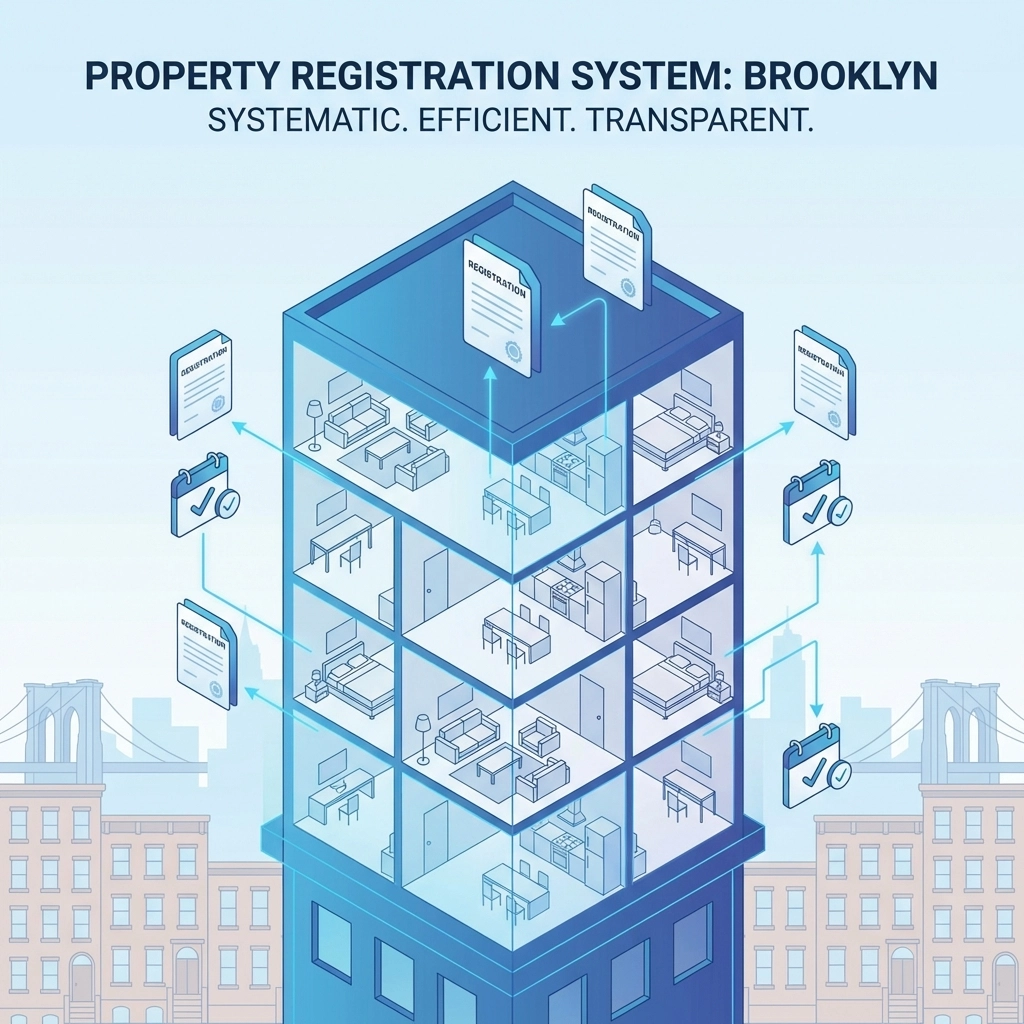
Failure to register by the deadline can result in penalties and may prevent owners from collecting rent increases. Late registrations filed after April 1st require additional fees and can complicate future rent increase applications. For buildings with multiple stabilized units, this process becomes particularly complex as each unit requires individual attention and documentation.
DHCR also requires owners to provide tenants with annual rent registration statements, typically delivered with lease renewals. These statements must clearly show the legal regulated rent and any increases taken during the year.
How Do RGB Rent Increase Guidelines Work in Practice?
The NYC Rent Guidelines Board sets maximum allowable rent increases for rent-stabilized apartments annually, typically announcing new rates each June for leases beginning October 1st through September 30th of the following year. For 2024-2025, the RGB approved increases of 2.75% for one-year leases and 5.25% for two-year leases.
Property owners cannot exceed these percentages without specific justification through additional DHCR applications. The increases apply only to lease renewals: not to existing lease terms: and must be clearly documented in renewal lease agreements.
Key considerations for implementing RGB increases:
- Increases only apply when tenants choose to renew their leases
- Two-year lease renewals typically offer higher percentage increases
- Owners cannot charge increases retroactively if renewal leases are delayed
- Additional increases may be available for buildings with significant capital improvements
Some owners attempt to circumvent RGB limits through improper charges or lease violations, but these practices can result in severe penalties including rent rollbacks and treble damages. DHCR actively investigates complaints and can order owners to refund improperly collected rent with interest.
What Must Property Owners Know About Lease Renewal Procedures?
Rent-stabilized tenants have the right to lease renewals at RGB-approved rates, and owners must follow specific timelines and procedures when offering these renewals. The process begins 90 to 150 days before lease expiration, when owners must send renewal lease offers to tenants.
The renewal lease offer must include:
- Choice between one-year and two-year lease terms (tenant’s choice)
- Specific rent increase amounts based on current RGB guidelines
- Clear statement of tenant’s rights under rent stabilization
- Proper DHCR lease forms with required language

Tenants have 60 days from receipt to accept renewal offers, and if they fail to respond, owners may begin holdover proceedings. However, tenants retain the right to accept renewal offers even after court proceedings begin, provided they cure any outstanding rent obligations.
Common lease renewal mistakes include:
- Using outdated lease forms that don’t include current required language
- Failing to offer both one-year and two-year options
- Attempting to add unauthorized fees or charges to renewal leases
- Not providing proper advance notice within the required timeframe
What Maintenance and Service Obligations Apply to Rent-Stabilized Properties?
Rent-stabilized tenants are entitled to receive all services that existed when they first moved in, plus any services subsequently provided to the building. This creates ongoing maintenance obligations that extend beyond basic habitability requirements.
Required building services typically include:
- Heat and hot water according to city standards
- Elevator service in buildings where provided
- Doorman or security services if previously offered
- Laundry facilities, storage areas, and recreational spaces
- Garbage collection and building cleanliness
- Proper lighting in common areas
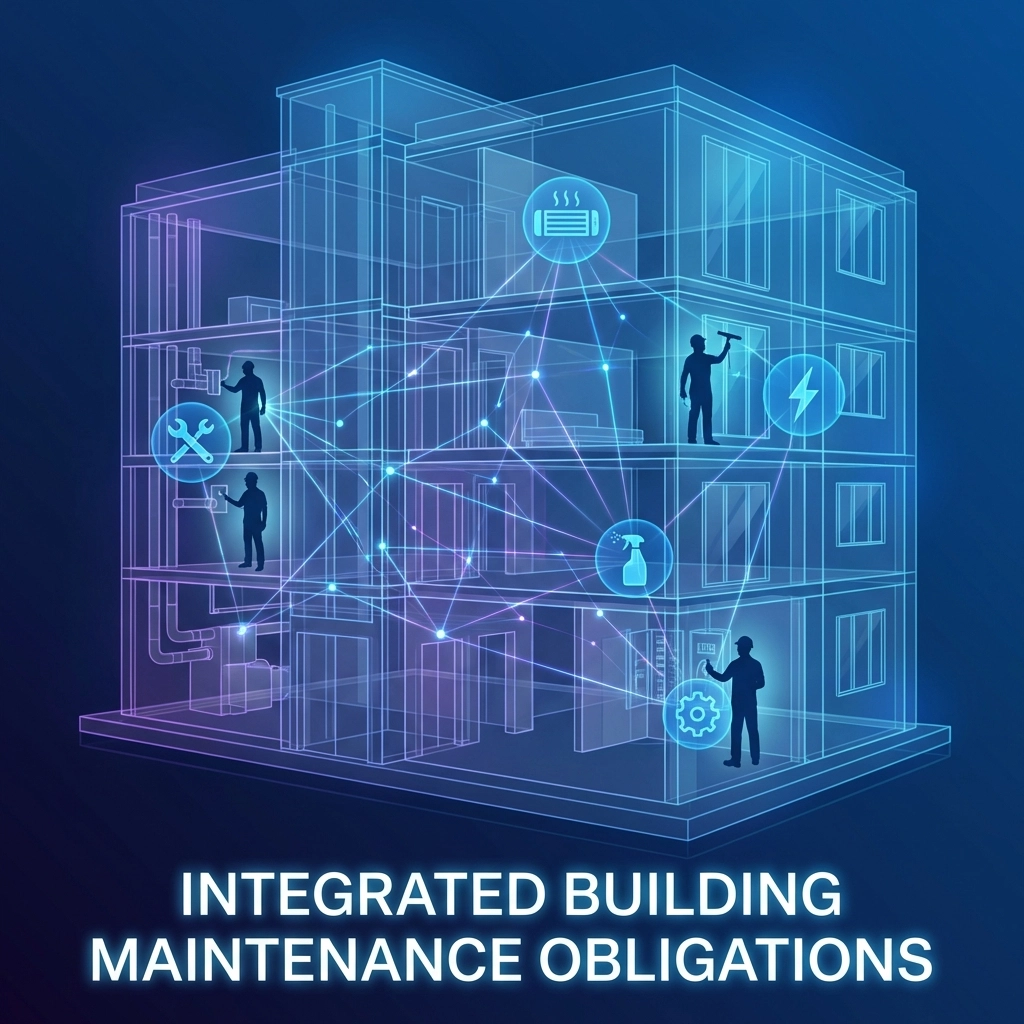
Owners cannot eliminate or reduce services without DHCR approval, and tenants can file service reduction complaints if services decline. When DHCR finds service reductions, they often impose rent reductions that remain in effect until services are restored to prior levels.
The cost of maintaining these services can be substantial, particularly for older buildings in Brooklyn and Queens that may require frequent repairs or system updates. However, owners who demonstrate significant building improvements may apply for rent increases beyond RGB guidelines through Major Capital Improvement (MCI) applications.
How Can Professional Property Management Ensure Compliance?
Managing rent-stabilized properties requires specialized expertise that goes beyond typical rental property oversight. Professional property management companies with rent stabilization experience can help owners navigate complex regulations while maintaining profitability.
Key areas where professional management adds value:
Documentation and Record-Keeping: Proper maintenance of tenant files, lease documentation, and improvement records is crucial for DHCR compliance and potential audits.
Timely Filing Requirements: Missing DHCR deadlines or RGB compliance dates can result in penalties and lost income opportunities.
Tenant Communication: Professional managers understand tenant rights and can handle complaints or service requests while maintaining positive relationships.
Maintenance Coordination: Ensuring required services are maintained while controlling costs requires experienced vendor management and preventive maintenance planning.
At Landlord Management (LLM), our rent stabilization expertise helps Brooklyn and Queens property owners maintain full compliance while maximizing property performance. Our transparent pricing structure means no hidden fees for compliance work, and our 24/7 availability ensures urgent tenant issues are addressed promptly to prevent service reduction complaints.
What Are the Financial Implications of Non-Compliance?
Non-compliance with rent stabilization regulations can result in severe financial penalties that far exceed the cost of proper management. DHCR penalties for registration violations can reach several thousand dollars per unit, while improper rent collection can result in treble damages: requiring owners to pay tenants three times the amount of overcharges.
Recent enforcement actions have included:
- Rent rollbacks requiring owners to reduce rents to previously legal levels
- Refunds of improperly collected rent with 9% annual interest
- Civil penalties for willful registration violations
- Loss of ability to collect future rent increases
For a typical 20-unit building in Brooklyn, registration violations alone could result in penalties exceeding $40,000, while improper rent increases collected over several years could require six-figure refunds to tenants.
What Should Owners Do to Maintain Ongoing Compliance?
Successful rent-stabilized property management requires systematic attention to regulatory requirements and proactive compliance measures. Property owners should establish annual compliance calendars that track DHCR registration deadlines, RGB guideline releases, and lease renewal timelines.
Essential compliance practices include:
- Maintaining detailed records of all tenant interactions and service requests
- Implementing preventive maintenance programs to avoid service reduction complaints
- Regular review of lease agreements to ensure current required language
- Professional guidance for any rent increases beyond RGB guidelines
- Immediate response to DHCR inquiries or tenant complaints
Our combined buying power at LLM allows us to provide cost-effective compliance support that individual owners cannot achieve on their own. With full transparency in our operations and specialized expertise in Brooklyn and Queens rent-stabilized properties, we help owners maintain compliance while protecting their investment returns.
Rent-stabilized property ownership in Brooklyn and Queens can be profitable when managed correctly, but the complexity of compliance requirements makes professional management often essential for long-term success.