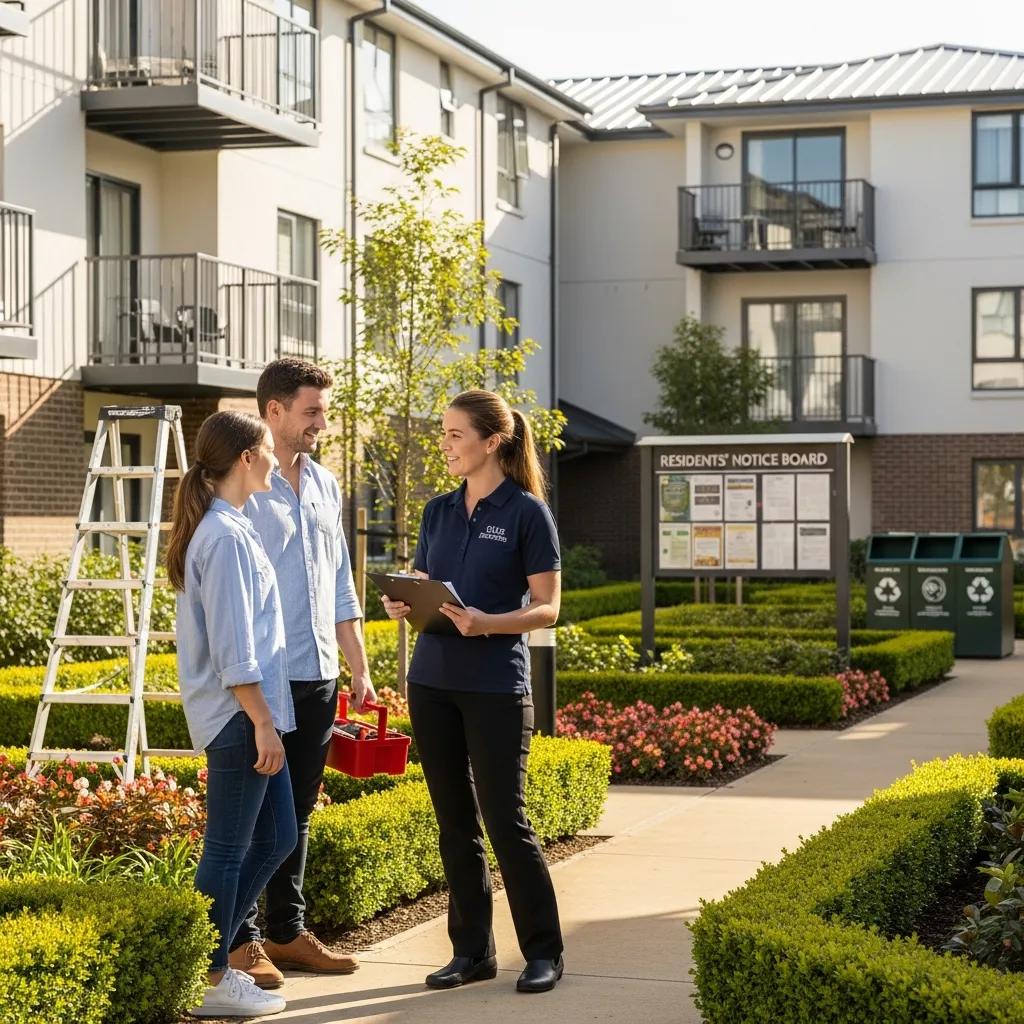
If you own a multi-family building in Brooklyn in 2026, you already know the vibe has shifted. The days of "set it and forget it" landlording are officially dead. Between the 2026 Rent Transparency Act and the crushing weight of Local Law 97 fines finally kicking in, the Department of Housing Preservation and Development (HPD) is busier than a Bed-Stuy coffee shop on a Saturday morning.

But here is the thing: HPD doesn’t exist to be your partner. They exist to enforce a massive web of regulations that often feel like they were designed to be impossible to follow. While their website lists the rules, it doesn’t tell you how to survive them. At Landlord Management (LLM), we spend our days in the trenches of Bushwick, Bed-Stuy, and beyond. We see what the inspectors are actually looking for: and what they’re ignoring until it becomes a five-figure fine.

This is the guide to what HPD isn’t telling you, and how a Property Management Company in Bed-Stuy keeps your building out of the headlines.

Why is the January 2026 Rent Transparency Act a Trap for Unwary Owners?

As of January 23, 2026, the Rent Transparency Act is in full effect. On the surface, it’s simple: you must post a notice in English and Spanish in a "conspicuous" common area informing tenants that the building contains rent-stabilized units.

What HPD isn't telling you is how they define "conspicuous." We’ve seen owners get hit with violations because the sign was behind a door that is usually propped open, or because it was posted at eye level for a child but not for an adult. This isn't just a paperwork exercise. These signs must include specific instructions on how tenants can request their own rent history from the DHCR.

If you are managing a 20-unit building in Bushwick, and you haven’t updated your common area signage to include the 2026-specific language, you are essentially inviting an audit. HPD uses these "low-hanging fruit" violations to justify a deeper dive into your records. A Property Management Company in Bushwick ensures that your signage isn't just present, but legally "bulletproof."

How Does HPD Use One Complaint to Trigger a Building-Wide "Fishing Expedition"?

Most landlords think that if a tenant complains about a leaky faucet, the HPD inspector will only look at the faucet. That is a dangerous assumption in 2026.

HPD inspectors are now trained to perform "sweep" checks during individual unit inspections. If they enter an apartment for a minor repair issue, they are legally obligated to check for:

  • Lead paint hazards (especially if a child under six is present).
  • Window guards.
  • Self-closing doors (the #1 fire safety priority in NYC right now).
  • Functional smoke and carbon monoxide detectors.

If they find a violation in one unit, they often flag the entire building for a "Comprehensive Litigation" audit. This is the "hidden" side of HPD enforcement. They won't tell you that a single disgruntled tenant in a Prospect Heights walk-up can lead to an inspector checking every single self-closing door in your 40-unit portfolio.

Brooklyn brownstone inspection graphic showing HPD safety icons for fire doors and lead paint compliance.

What are the "Invisible" Lead Paint Rules You’re Likely Missing?

Lead paint remains the "nuclear option" for HPD. By now, most owners know about the annual notice requirements, but in 2026, the scrutiny on turnover inspections is higher than ever.

What HPD doesn’t explicitly broadcast is the rigor of the "XRF" testing requirements. If you have a building built before 1960, HPD assumes every surface has lead until proven otherwise. If you paint over a peeling wall without following EPA RRP (Renovation, Repair, and Painting) protocols, and an inspector finds lead dust, the fines are astronomical.

We recommend proactive XRF testing for all our clients. Knowing exactly which units have lead and which don't allows you to prioritize maintenance and avoid the panic that comes when an HPD inspector shows up with a lead-detecting gun. You can read more about how we handle these high-stakes inspections here.

Is Local Law 97 Actually Going to Bankrupt Brooklyn Landlords This Year?

We’ve been talking about Local Law 97 for years, but 2026 is the year the first major compliance reports are due. If your building is over 25,000 square feet, you are likely already over your carbon emissions limit unless you’ve performed significant retrofits.

HPD and the Department of Buildings (DOB) are working in tandem on this. What they aren't telling you is that there is very little "grace period" left. The fines are calculated based on how much you exceed your limit: and for a typical Brooklyn mid-rise, those fines can reach $50,000 to $100,000 annually.

A proactive Property Management Company in Bed-Stuy will have already audited your boiler, your lighting, and your insulation. If you’re just starting to look at this in March 2026, you are already behind the curve.

NYC boiler performance data visualization for Local Law 97 energy compliance and carbon emission tracking.

Why is "Self-Closing Door" Compliance the New Fire Safety Obsession?

If there is one thing HPD is obsessed with in 2026, it’s the self-closing door. Following several high-profile fires in the Bronx and Brooklyn, inspectors are now checking the tension on apartment entrance doors with a fervor we haven't seen in decades.

The "insider" tip here: A door that closes but doesn’t latch is a violation. HPD won't tell you that a slightly bent hinge or a layer of paint on the strike plate is enough to trigger a "Class C" (immediately hazardous) violation. These violations must be corrected within 24 hours. If you aren't living in the building, how are you going to fix five doors in 24 hours?

This is where professional management becomes an insurance policy. We perform quarterly "safety sweeps" to ensure every door in our managed properties latches correctly, long before an inspector ever knocks.

How Do Rent Guideline Board Increases Impact Your 2026 Strategy?

For leases commencing between October 1, 2025, and September 30, 2026, the increases are set at 3% for one-year leases and 4.5% for two-year leases.

The trap here isn't the percentage; it's the timing. HPD and the DHCR are cracking down on "late renewals." If you provide a renewal lease 30 days before the old one expires, you are in violation of the 90-150 day notice requirement. What HPD doesn't tell you is that if you miss that window, the tenant may be entitled to stay at their old rent until the proper notice period is served.

In a neighborhood like Bushwick, where taxes and insurance are skyrocketing, losing three months of a 4.5% increase across a 10-unit building is a massive hit to your NOI. Our financial planning team automates these notices so you never leave money on the table.

Strategic real estate growth graphic for managing rent-stabilized apartment portfolios in Brooklyn and Queens.

Why Should You Fear the "Heat Season" More Than Ever?

NYC Heat Season (October 1 – May 31) is currently in its final stretch for 2026. HPD’s automated "Heat Sensor" program is now more widespread. They are encouraging tenants to install smart sensors that report directly to HPD if the temperature drops below 68 degrees during the day.

The "secret" HPD won't tell you: they don't care if your boiler is working perfectly. If the sensor says it's 67 degrees, you get a violation. Often, these sensors are placed near drafty windows by tenants looking for a rent abatement. As a Property Management Company in Bushwick, we counter this by installing our own building-wide monitoring systems. We know the temperature of your building before HPD does.

What is the Real Cost of DIY Management in 2026?

A lot of Brooklyn landlords pride themselves on being "hands-on." They have a guy who does the plumbing and a cousin who handles the bookkeeping. In 2026, that is a recipe for a lien on your property.

HPD’s enforcement is now almost entirely digital. Violations are served via the HPD Portal, and if you aren't checking that portal weekly, you will miss the "Certification" deadline. Once a violation is past its certification date, it becomes "open" forever until you pay a fee and request a re-inspection: which can take months.

A protective digital shield representing expert property management services in Bed-Stuy and Bushwick neighborhoods.

Next Steps for Brooklyn Property Owners

Navigating the HPD landscape in 2026 requires more than just a toolbox; it requires a data-driven strategy.

  1. Audit Your Signage: Ensure your Rent Transparency Act notices are up and bilingual.
  2. Test for Lead: Don't wait for a tenant to complain. Get an XRF sweep now.
  3. Check Your Latches: Walk your building and make sure every door self-closes and latches.
  4. Review Your Emissons: Check your Local Law 97 status before the fines pile up.

At Landlord Management (LLM), we specialize in taking the target off your back. Whether it’s handling evictions, managing rent-stabilized compliance, or just making sure your operating costs aren't spiraling, we’ve got you covered.

Don't let HPD tell you what's wrong with your building. Tell them everything is right. Contact us today to see how we can protect your Brooklyn investment.

For multi-family property owners in Bushwick, the stakes for building maintenance have never been higher. As the neighborhood continues its transition from industrial roots to a residential hotspot, the New York City Department of Housing Preservation and Development (HPD) has intensified its oversight. For many landlords, the word "violation" is a common nuisance, but there is a specific threshold that every owner should fear: the Alternative Enforcement Program (AEP).

Falling into the AEP is essentially being placed on the city's "worst-maintained buildings" list. Once a building is selected for this program, the level of scrutiny, the cost of compliance, and the potential for city-managed repairs (billed back to the owner at a premium) can cripple a property's cash flow. Avoiding this requires more than just reactive repairs; it requires a strategic approach to local laws you should know.

In this guide, we will break down the common mistakes Bushwick landlords make that lead to HPD violations and, ultimately, how to stay off the AEP radar.

What Exactly Is the HPD Alternative Enforcement Program (AEP)?

The Alternative Enforcement Program is an enforcement tool used by HPD to identify and move the most distressed multi-family buildings in New York City toward better conditions. Each year, HPD selects a group of buildings (typically those with a high ratio of open Class B and Class C violations) for intensive oversight.

If your building is selected for the AEP, you face several immediate consequences:

  • Mandatory Inspections: HPD will conduct a roof-to-cellar inspection of the entire building.
  • Fees: You will be charged significant administrative fees just for being in the program.
  • Corrective Action Orders: You will receive an Order to Correct that outlines every single deficiency in the building.
  • City Repairs: If you do not correct the violations within the strict timeframe (usually 4 months), HPD’s Emergency Repair Program (ERP) will step in. They will hire contractors to do the work, and the city will bill you. These bills often become tax liens if unpaid.

For a property management company in Bushwick, keeping a building out of this program is the top priority for operational risk management.

Digital illustration of a Bushwick multi-family building undergoing an HPD AEP compliance inspection.

Why Is Bushwick Specifically Targeted for AEP Selection?

Bushwick contains a high concentration of pre-war walk-ups and converted industrial spaces. While these buildings have high market value in 2026, their aging infrastructure: old plumbing, outdated electrical systems, and settling foundations: makes them magnets for HPD complaints.

Many Bushwick landlords are "accidental" or "legacy" owners who may not be up to date on the rigorous requirements for rent-stabilized apartments or the evolving standards for lead paint and mold. When a tenant calls 311, an HPD inspector is dispatched. If that inspector finds one issue, they often find five more. In a 6-unit or 10-unit building, it doesn't take many open violations to hit the AEP selection criteria.

Common Violation Mistake #1: Ignoring the "Self-Certification" Trap

One of the most frequent mistakes landlords make is falsely certifying that a violation has been corrected. When you receive a Notice of Violation, there is a "Certify by" date. Many owners, in a rush to avoid fines, sign the back of the notice and mail it back stating the work is done, even if the repair was only a "patch job" or, worse, hasn't been started.

If HPD performs a follow-up inspection and finds the violation still exists, the landlord can face criminal penalties for false certification. Furthermore, the violation remains open, contributing to your "points" for AEP selection. Proper inspections and documentation are the only way to safely clear these records.

Common Violation Mistake #2: Seasonal Heat and Hot Water Failures

In NYC, "Heat Season" runs from October 1 through May 31. The requirements are strict:

  • Daytime (6 AM – 10 PM): If the outside temperature falls below 55°F, the inside temperature must be at least 68°F.
  • Nighttime (10 PM – 6 AM): The inside temperature must be at least 62°F, regardless of the outside temperature.
  • Hot Water: Must be 120°F year-round.

In Bushwick’s older housing stock, boiler failures are common. A single weekend without heat can result in dozens of tenant complaints to 311. Each of these can trigger a Class C (Immediately Hazardous) violation. If you have multiple Class C violations that are not corrected and certified within 24 hours, you are fast-tracking your building for the AEP.

Common Violation Mistake #3: Neglecting Lead-Based Paint Compliance

As of 2026, NYC's lead paint laws (Local Law 1 of 2004 and subsequent updates) are more stringent than ever. Landlords are required to perform annual inspections for lead paint hazards in units where a child under age six resides.

Mistakes in this area are usually procedural:

  1. Failing to send out the annual "Notice of Inquiries."
  2. Failing to keep records of these inquiries for 10 years.
  3. Failing to use EPA-certified firms for lead abatement.

HPD considers lead paint hazards Class C violations. Because Bushwick has many families with young children, this is a high-risk area for landlords. If an inspector enters a unit for a leaky faucet and sees peeling paint, they will issue a lead violation immediately.

Close-up of a property inspection lens ensuring lead paint compliance and building safety in Brooklyn.

Common Violation Mistake #4: Improper Pest Management (Local Law 55)

Under Local Law 55, landlords are required to keep properties free of pests (cockroaches, rodents, bed bugs) and "pest precursors" like mold and cracks in walls.

The mistake here is relying on "spray and pray" extermination methods. HPD now requires Integrated Pest Management (IPM). This means instead of just using chemicals, you must seal entry points, repair leaks that provide water to pests, and use HEPA vacuums for cleaning. Failure to address the root cause of an infestation leads to recurring violations that accumulate quickly.

How to Avoid the AEP: The Proactive Strategy

At Landlord Management (LLM), we believe that the best way to handle HPD is to ensure they never have a reason to visit your building. This requires a shift from reactive maintenance to a proactive operational model.

1. Conduct Your Own "Mini-AEP" Inspections

Don't wait for the city. A professional property management company in Bushwick should conduct semi-annual, room-by-room inspections of every unit. We check for smoke and carbon monoxide detectors, window guards, lead paint, and plumbing leaks. By fixing these before a tenant calls 311, you eliminate the risk of a violation ever being recorded.

2. Streamline Tenant Communication

Most 311 calls are a result of frustration. If a tenant’s radiator is clanking and the landlord ignores their text for three days, the tenant calls the city. Providing a 24/7 maintenance portal and ensuring rapid response times dramatically reduces the volume of HPD inspections.

3. Monitor Your HPD Portal Weekly

Violations can sometimes be issued without the owner’s immediate knowledge: perhaps a notice was mailed to an old address or lost in the shuffle. We monitor the HPD Property Registration and violations portal for our clients weekly to ensure that any new "pings" are addressed within the 24-hour or 30-day window required for certification.

Modern Bushwick skyline representing proactive property management and HPD violation prevention.

The Financial Impact of AEP Selection

To illustrate the danger, let’s compare two 10-unit buildings in Bushwick:

  • Building A (Managed Proactively): The owner spends $5,000 annually on preventative inspections and minor repairs. They have zero open violations. The property maintains a high valuation and low insurance premiums.
  • Building B (Reactive Management): The owner ignores small leaks and pest complaints. Over two years, they accumulate 15 Class B and 5 Class C violations. They are selected for the AEP. The city charges a $1,000 "enrollment fee." An HPD-mandated inspection finds $50,000 worth of "necessary" repairs. If the owner doesn't do them, the city hires a contractor who bills $85,000. The building’s market value drops because no bank will refinance a property in the AEP.

The difference in operating costs between these two scenarios is staggering. Compliance is not just a legal obligation; it is a financial necessity.

Moving Forward in 2026

The regulatory environment in New York City is only becoming more complex. Between the start of Local Law 97 fines and the continued pressure on rent-stabilized housing, landlords must be more diligent than ever.

If you own property in Bushwick, take the time today to look up your building on the HPD website. If you see more than a handful of open violations, it is time to act. Clearing the backlog and implementing a rigorous maintenance schedule is the only way to protect your investment from the reach of the Alternative Enforcement Program.

For help navigating these complexities, our team at Landlord Management (LLM) provides comprehensive Brooklyn property management checklists and proactive compliance services designed to keep your building safe, legal, and profitable. Reach out to us for a consultation to see how we can help you mitigate your building's operational risk.

If you own a multi-family building in Brooklyn, you already know that two blocks can make a world of difference. As we move further into 2026, the regulatory landscape in New York City is tighter than ever. Between the escalating fines of Local Law 97 and the rigorous inspection cycles of the Department of Buildings (DOB) and Housing Preservation and Development (HPD), "passive" ownership is officially a thing of the past.

At Landlord Management (LLM), we see the nuances every day. Two of our most active areas: Prospect Heights and Park Slope: might share a border (and a park), but the management strategies required to keep these assets profitable and compliant are distinct.

Whether you own a classic brownstone on a landmarked block in Park Slope or a mid-sized walk-up near the Barclays Center in Prospect Heights, your approach to risk mitigation and asset value needs to be tailored. Here is how we break down the management needs of these two iconic neighborhoods.

Does Your Building Fall Under Landmark Jurisdiction?

The biggest differentiator between these two areas is often the level of oversight from the Landmarks Preservation Commission (LPC).

Park Slope:
Park Slope contains one of the largest historic districts in New York City. If you are looking for a Property Management Company in Park Slope, the first question you should ask is how they handle LPC permits. Managing a historic asset means that every exterior repair: from repointing the brick to replacing a window: requires specialized contractors and specific approvals. Neglecting these details doesn’t just result in a fine; it can halt construction projects for months.

Prospect Heights:
While Prospect Heights has its own historic districts, the neighborhood has seen a massive influx of newer construction and major renovations, especially around the Atlantic Terminal hub. The strategy here often shifts from "preservation" to "modernization." Owners in Prospect Heights are frequently dealing with a mix of older rent-stabilized units and high-end market-rate apartments. Balancing the infrastructure needs of an older building with the amenity expectations of a 2026 tenant requires a nimble management hand.

Illustration of historic brownstones and modern apartment buildings in Park Slope and Prospect Heights.

How Do Local Law Compliance Needs Differ?

In 2026, compliance isn't just about safety; it’s about financial survival. The Local Law 97 fines have officially begun to hit building owners who haven't modernized their carbon footprints.

Local Law 11 (FISP) and Park Slope

Because Park Slope is characterized by taller, older masonry buildings, Local Law 11 (the Facade Inspection Safety Program) is a constant concern. If your building is over six stories, you are on a five-year cycle of mandatory inspections.

  • The LLM Strategy: We don’t wait for the cycle to begin. We perform pre-inspections to identify "Safe With a Repair and Maintenance Program" (SWARMP) items before they become "Unsafe" designations that require expensive sidewalk sheds.

Local Law 97 and Prospect Heights

Prospect Heights has a higher concentration of newer, larger buildings that often rely on complex HVAC systems. These buildings are prime targets for LL97 carbon emissions limits.

  • The LLM Strategy: For our Property Management Services in Prospect Heights, we focus heavily on energy audits. This includes everything from upgrading boiler sensors to evaluating heat pump transitions. The goal is to avoid the "carbon tax" that can cost owners tens of thousands of dollars annually.

Managing Tenant Profiles: Stability vs. Turnover

The demographics of your building dictate your day-to-day operations.

Park Slope’s Stability:
Park Slope tends to attract long-term residents, including families and established professionals. This is great for your bottom line because it reduces turnover costs (painting, floor refinishing, and brokerage fees). However, long-term tenants have higher expectations for maintenance excellence. In these buildings, our management strategy focuses on "white-glove" communication and preventative maintenance to keep these valuable tenants in place for a decade or more.

Prospect Heights’ Transit-Oriented Growth:
Prospect Heights is a magnet for younger professionals who prioritize proximity to the 2/3/4/5/B/Q/N/R/D and LIRR trains. This demographic is often more mobile.

  • The Strategy: Management here must be fast. You need a team that can handle a "turn" (the period between a tenant moving out and a new one moving in) in 48 to 72 hours. Our team at LLM uses a streamlined Brooklyn property management checklist to ensure that apartments are photographed, listed, and leased without a single day of vacancy.

Strategic map of Brooklyn property management for transit hubs and stable multi-family rental buildings.

The Complexity of Rent Stabilization in 2026

Both neighborhoods contain a significant number of rent-stabilized units. Navigating the 2026 requirements for these apartments is one of the most difficult parts of being a NYC landlord.

In Prospect Heights, we often see "split" buildings: where half the units are stabilized and half are market rate. This requires two entirely different accounting and legal approaches. You must be meticulous with:

  • Annual DHCR Registrations: Missing a deadline can freeze your ability to collect rent increases.
  • Individual Apartment Improvements (IAIs): While the rules have changed significantly over the last few years, knowing what you can and cannot pass through is vital for maintaining rent-stabilized compliance.

In Park Slope, many brownstones have a few stabilized units left over from the 70s or 80s. Because these buildings are smaller (often 4–10 units), a single compliance error can represent a much larger percentage of your annual profit margin.

Why a Proactive Risk Mitigation Strategy is Non-Negotiable

At LLM, we don't just collect checks; we protect assets. Whether you are in Park Slope or Prospect Heights, the "risk" isn't just a leaky pipe: it's the HPD violation that follows the leaky pipe.

  1. HPD/DOB Monitoring: We use automated systems to monitor every building in our portfolio for new violations daily. If a tenant calls 311, we know about it before the inspector arrives.
  2. Vendor Control: We leverage our entire portfolio to get better pricing on fuel, insurance, and repairs. In Park Slope, this means having access to masons who understand historic brick. In Prospect Heights, it means having plumbers who can service high-efficiency modern boilers.
  3. Financial Transparency: Many owners come to us because their previous manager’s books were a "black box." We provide clear, digital financial planning and budgeting so you know exactly where every dollar is going.

Data-driven building management art symbolizing NYC compliance, asset protection, and financial budgeting.

Comparison at a Glance: Management Priorities

FeaturePark Slope StrategyProspect Heights Strategy
Primary Building TypeHistoric Brownstones / Pre-war Walk-upsNew Construction / Renovated Multi-Family
Regulatory FocusLandmark (LPC) & Local Law 11Local Law 97 & Modern HVAC Systems
Tenant BaseLong-term families / Established professionalsCommuters / High-turnover market rate
Maintenance NeedFacade preservation & Stoop repairAmenity upkeep & Rapid apartment turns
Compliance RiskHPD heat/hot water in older systemsDOB elevator & boiler filings

Is Your Current Strategy Outdated?

The "old way" of managing Brooklyn real estate: hiring a super to fix things when they break and hoping the city doesn't send an inspector: is the fastest way to lose your equity in 2026.

The difference between a building that appreciates and one that becomes a liability is the quality of the Property Management Services in Prospect Heights or Park Slope that you employ. You need a team that understands the neighborhood-specific nuances of the Brooklyn market.

Whether you're concerned about your upcoming FISP cycle, struggling with DHCR filings, or just tired of dealing with 3 a.m. emergency calls, we can help. A well-managed building is a profitable building.

Get a Professional Building Audit

Don't wait for a violation to find out your management strategy is failing. Let’s look at your books, your compliance history, and your physical plant to see where we can save you money and increase your building's value.

Visit landlordmanagementny.com to request a comprehensive building audit today. Or, if you want to learn more about our philosophy, meet our team and see why we are the preferred choice for Brooklyn owners who value their peace of mind.

Brooklyn’s residential landscape has undergone a massive transformation over the last decade. From the historic brownstones of Park Slope to the sleek, industrial-chic glass towers of DUMBO, the borough’s condo market is more complex than ever. For condo boards and individual unit owners, the stakes have shifted. Managing a building in 2026 is no longer just about hiring a super and collecting common charges; it is about navigating a high-pressure environment of strict city mandates, rising operational costs, and the need for sophisticated financial transparency.

At Landlord Management (LLM), we have seen a significant uptick in Brooklyn condo boards seeking professional intervention. Many are moving away from smaller, "mom-and-pop" management firms or self-management models that simply cannot keep pace with New York City’s regulatory speed.

Why is Financial Reporting the Foundation of Board Trust?

One of the primary reasons condo owners are making the switch is the need for rigorous financial oversight. In a condo setting, the board has a fiduciary duty to the owners. If the books are messy, or if financial reports are delivered months late, trust within the building begins to erode.

Professional management provides a level of accounting that most self-managed boards cannot replicate. This includes:

  • Accurate Budgeting: Moving beyond "last year plus 5%" and actually analyzing historical data to predict future needs.
  • Arrears Management: Promptly identifying and addressing late common charge payments to maintain building liquidity.
  • Reserve Fund Analysis: Ensuring the building is saving enough for long-term survival without requiring sudden, massive special assessments.

For many, financial planning and budgeting is the difference between a building that maintains its property value and one that faces a fiscal crisis when a boiler fails. When a board switches to LLM, they often find that their previous operating costs were spiraling out of control due to a lack of professional audit and vendor negotiation.

Financial charts over Brooklyn Heights brownstones representing expert condo management services.

How Do New York’s Local Laws Impact Your Condo Assessment?

In 2026, compliance is not optional: it is expensive. Brooklyn condo owners are increasingly concerned about the fines associated with NYC’s "alphabet soup" of regulations.

Local Law 97: The Carbon Challenge

Local Law 97 is a major driver for the switch to professional management. As of 2026, buildings that exceed carbon emissions limits are facing significant fines. For a condo in Brooklyn Heights, these fines can translate directly into higher monthly assessments for every unit owner. Professional Property Management Services in Brooklyn Heights focus on energy audits and retrofitting projects to mitigate these costs before they hit the balance sheet. You can learn more about how we help avoid these costly penalties here.

Local Law 11 (FISP) and Local Law 152

If your condo is over six stories, the Facade Inspection & Safety Program (FISP) is a recurring, high-stakes requirement. Managing the cycles of inspection, filing, and necessary repairs requires technical expertise. Similarly, Local Law 152 requires periodic inspections of gas piping systems. Missing a filing deadline for either can result in thousands of dollars in "preventable" fines: the exact kind of expense that frustrates condo owners.

Lead Paint and Safety Compliance

Even in newer developments, compliance regarding lead paint (where applicable) and general safety inspections remains a full-time job. Our inspections team ensures that every required certificate is up to date, shielding the board from liability and the owners from risk.

What Does Proactive Vendor Oversight Look Like?

A common complaint we hear from boards in Prospect Heights or Bed-Stuy is that they feel "held hostage" by their vendors. Whether it’s the elevator company, the cleaning crew, or the HVAC technician, a lack of oversight leads to overcharging and under-performance.

By partnering with a Property Management Company in Bed-Stuy or a Property Management Services in Prospect Heights, boards gain access to a vetted network of contractors. More importantly, they gain a manager who knows what these services should cost.

Consider a 30-unit condo in Park Slope versus a 300-unit high-rise. While the scale is different, the need for vendor control is identical. In a 30-unit building, a single overpriced contract for roof repair can wipe out the year’s reserve savings. Professional managers implement a competitive bidding process, ensuring that the board sees multiple quotes and a clear scope of work before a single dollar is spent.
Project timeline icons and a DUMBO warehouse silhouette for professional property management.

Why Is Risk Reduction Critical for Brooklyn Condo Boards?

The legal and physical risks of running a building are substantial. If a resident slips on an icy sidewalk in front of a DUMBO loft, or if a contractor is injured while working on the roof without proper insurance, the condo association is on the hook.

A professional Property Management Company in DUMBO or Property Management Company in Park Slope acts as a shield. Risk reduction includes:

  • Insurance Review: Ensuring the building has adequate D&O (Directors and Officers) insurance and general liability coverage.
  • COI Tracking: Never letting a vendor step onto the property without a valid Certificate of Insurance that names the condo as additionally insured.
  • Resident Safety: Standardizing protocols for building access, fire safety, and emergency response.

For many owners, the peace of mind that comes from knowing the local laws are being followed to the letter is the primary reason to hire an expert firm.

The Importance of Resident Communication and Digital Portals

In a modern Brooklyn condo, residents expect high-speed communication. They want to be able to report a leak, check their balance, or book a rooftop amenity from their phone. They don’t want to leave a sticky note for the super or wait three days for a return phone call from a board member.

Modern management firms utilize digital portals to streamline these interactions. This reduces the friction between the board and the residents. When a major capital project is underway: such as a lobby renovation or a Local Law 11 facade project: regular, professional updates are essential. Without them, rumors and frustration spread quickly through the building.

Digital portal network over Prospect Heights and Park Slope condo skylines for resident communication.

Strategic Oversight for Capital Projects

Large-scale projects are where boards are most vulnerable. Whether it is a roof replacement or a boiler conversion, these projects represent the largest expenditures a condo will ever face.

Professional managers provide oversight by:

  1. Working with Engineers: Acting as the liaison between the board and the technical experts.
  2. Timeline Management: Ensuring contractors stick to the agreed-upon schedule to minimize disruption to residents.
  3. Payment Milestone Verification: Only releasing funds once specific, inspected stages of the project are completed.

For many condo and co-op owners, having a manager who understands the technical requirements of these projects is the "secret weapon" that keeps the building running smoothly.

Moving Forward: Next Steps for Your Board

If your building is struggling with late financial reports, looming Local Law fines, or a general sense that the property is "managing itself," it may be time to evaluate your current management structure. The complexity of NYC real estate in 2026 demands a proactive, detail-driven approach.

Switching to a professional firm like Landlord Management (LLM) isn't just about outsourcing tasks; it's about protecting the building's long-term viability and the owners' investment. From ensuring you have a 2026 property management checklist to handling the nuances of sales and rentals within the building, our team is built for the specific demands of the Brooklyn market.

Is your board ready for a more professional approach? Contact us at landlordmanagementny.com to discuss how we can streamline your building’s operations and reduce your liability.

Owning property in Brooklyn has never been a "set it and forget it" investment. If you’ve owned a building in Bed-Stuy, Park Slope, or Sunset Park for more than a few years, you know the landscape is shifting under your feet. It’s not just about finding a tenant who pays on time anymore; it’s about surviving a regulatory environment that feels designed to catch you off guard.

At Landlord Management (LLM), we’ve noticed a distinct trend. Owners who used to manage their own portfolios: or those who were signed with large, national management "platforms": are moving their business to us. Why? Because in a borough as complex as Brooklyn, you don’t need a software portal; you need a secret weapon.

Being a Property Management Company in Brooklyn in 2026 means more than just collecting rent checks. It means acting as a shield between the owner and the mounting risks of NYC compliance, rising operational costs, and the nuances of neighborhood-specific tenant relations.

Why are Brooklyn owners ditching the "big box" management firms?

For years, the trend in real estate was "scale." Large firms promised lower fees by automating everything. But as many owners found out, you can’t automate a boiler breakdown in a 1920s brownstone, and an algorithm won’t help you when an HPD inspector shows up for a surprise visit.

The "big box" firms often lack the granular knowledge of Brooklyn’s specific building stock. A pre-war walk-up in Flatbush has entirely different needs than a luxury condo in Downtown Brooklyn. Generic firms often skip the "hands-on" part of management: the site visits, the face-to-face meetings with long-term tenants, and the physical oversight of contractors.

This is where Landlord Management (LLM) steps in. We position ourselves as a boutique powerhouse. We provide the professional infrastructure of a large firm but maintain the "boots on the ground" approach that Brooklyn properties require. Owners are switching to us because we handle the messy reality of management that others try to hide behind a login screen.

Digital compliance monitoring and tech overlay on a classic Brooklyn brownstone street.

How does HPD and DOB compliance impact your bottom line in 2026?

If you haven’t checked your building’s status lately, you might be in for a shock. The city has become significantly more aggressive with fines and enforcement. Between the Housing Preservation and Development (HPD) and the Department of Buildings (DOB), the paperwork alone can become a full-time job.

One of the primary reasons owners seek out a professional Property Management Company in Brooklyn is to clean up their violation history. A single unresolved lead paint violation or an improperly filed annual registration can result in thousands of dollars in fines: or worse, a block on your ability to refinance or sell the property.

In 2026, we are also seeing the full weight of Local Law 97 fines. For many owners, these carbon emissions limits were a "future problem" for years. Now, that future is here. Managing these costs requires a deep understanding of building systems and energy efficiency. LLM helps owners navigate these requirements, identifying the most cost-effective ways to bring buildings into compliance before the penalties drain the property’s cash flow.

What makes Property Management Services in Brooklyn Heights unique?

Brooklyn Heights is a perfect example of why "general" management fails. Here, you aren't just dealing with NYC building codes; you're often dealing with landmarked districts and a highly sophisticated tenant base.

When providing Property Management Services in Brooklyn Heights, we have to be meticulous. Repairs to a facade aren't just about calling a mason; they're about ensuring the materials and methods meet Landmark Preservation Commission (LPC) standards. If your management company doesn't know the difference, you're looking at a "Stop Work Order" faster than you can say "cobblestone."

Furthermore, tenants in high-value areas like Brooklyn Heights expect a level of communication and responsiveness that most firms simply aren't staffed to provide. We treat these properties like the high-stakes assets they are, ensuring that every interaction: from a leaky faucet to a lease renewal: is handled with professional polish.

Why is finding a Property Management Company in Bed-Stuy so critical for risk management?

Bed-Stuy has seen incredible growth, but with that growth comes increased scrutiny. It remains one of the most active areas for tenant advocacy and city inspections. If you own a multi-family building here, you are likely dealing with a mix of market-rate and rent-stabilized units.

Navigating rent stabilization compliance is where many owners get into deep trouble. The DHCR (Division of Housing and Community Renewal) is not known for its leniency. Improperly calculated legal rents or missed filings can lead to "overcharge" claims that follow a building for years, potentially costing the owner hundreds of thousands in back rent and interest.

As a dedicated Property Management Company in Bed-Stuy, LLM focuses heavily on the administrative "defense" of your building. We ensure that every lease is compliant, every registration is filed on time, and every tenant communication is documented. This level of financial and regulatory planning is what separates a profitable investment from a legal nightmare.
Regulatory oversight and compliance shield for multi-family property management in Bed-Stuy.

Is your building ready for the 2026 "hands-on" requirement?

In the current market, "passive income" is a bit of a myth if you aren't outsourcing the heavy lifting. The physical maintenance of Brooklyn buildings is becoming more technical. We aren't just talking about fixing leaks; we’re talking about managing smart-metering systems, high-efficiency boilers, and updated fire safety protocols.

Generic firms often rely on a "preferred vendor" list of contractors who might never have even stepped foot in your neighborhood. At LLM, we pride ourselves on our local network. We know which plumbers can handle a 100-year-old pipe system in Park Slope and which electricians are familiar with the specific grid issues in East New York.

Our team performs regular property inspections to catch small issues before they become five-figure repairs. For example, a small crack in a parapet wall might cost $500 to patch today, but if left until the next DOB facade inspection, it could trigger a $20,000 requirement for scaffolding and masonry work. We look for those "hidden" costs every single month.

How do we handle the "difficult" side of management?

No one likes to talk about it, but evictions and tenant disputes are a reality of the business. The laws in New York have shifted heavily in favor of tenants over the last decade. Navigating an eviction proceeding requires surgical precision. One wrong move in the "Notice to Cure" or a mistake in the rent ledger, and a judge will toss the case, forcing you to start the six-month process all over again.

LLM acts as the professional buffer. We handle the difficult conversations and the legal coordination so that you don't have to. By maintaining professional, firm, and fair relationships with all tenants, we often resolve disputes before they ever reach a courtroom. This "soft skills" approach saves our clients more money than almost any other service we provide.

The LLM Difference: Strategic Financial Oversight

Most management companies provide a monthly statement that shows money in and money out. We think that’s the bare minimum. A true "secret weapon" provides strategic advice.

Are your condo operating costs spiraling? We analyze the "why." Is it an inefficient staff? A poorly negotiated insurance policy? Or perhaps a utility leak that no one noticed?

We look at your property as a business. We help with:

  • Annual Budgeting: Predicting major capital expenditures (CAPEX) so you aren't hit with a surprise $50,000 roof bill.
  • Rent Analysis: Ensuring your market-rate units are actually achieving market rents based on real-time Brooklyn data.
  • Expense Reduction: Leveraging our portfolio-wide purchasing power to get better rates on everything from insurance to janitorial supplies.

Strategic financial growth and investment stability for Brooklyn rental property portfolios.

Moving Forward: How to transition to LLM

Many owners stay with bad management because they fear the transition process. They worry about lost records, confused tenants, and interrupted cash flow.

At Landlord Management, we’ve perfected the "Onboarding Sprint." We take the lead in recovering your files from your previous manager, notifying the tenants, and setting up the new payment portals. We perform a "Day One" audit of your building's compliance status to identify any immediate "red flags" that need to be addressed.

Whether you have a 4-unit brownstone in Brooklyn Heights or a 40-unit rent-stabilized building in Bed-Stuy, the goal is the same: peace of mind. You shouldn't have to wake up wondering if an HPD inspector is at your front door.

If you're ready to see why so many Brooklyn owners are making the switch, it might be time to look at your 2026 management checklist and see where the gaps are.

Practical next steps for Brooklyn owners:

  1. Audit your violations: Check the HPD and DOB websites for your property address. If you see "Open" items from three years ago, you have a problem.
  2. Review your insurance: With premiums skyrocketing, ensure your management company is actively shopping your policy, not just renewing the old one.
  3. Verify your registrations: Ensure your Annual Property Registration with the DHCR is accurate and up-to-date for 2026.
  4. Schedule a consultation: Reach out to the LLM team for a no-obligation review of your current management setup.

Brooklyn is a borough that rewards those who are prepared and punishes those who are complacent. Don't let your investment be a victim of "standard" management. Use the secret weapon that local owners are already leveraging.

Ridgewood is currently at a crossroads. As a neighborhood known for its unique blend of historic brick row houses and a burgeoning scene of new developments, property owners are facing a regulatory landscape that is shifting beneath their feet. While many landlords focus on rent stabilization or HPD inspections, a much larger financial threat is looming: Local Law 97 (LL97).

Part of the Climate Mobilization Act, Local Law 97 is designed to drastically reduce greenhouse gas emissions from New York City’s largest buildings. If you own a building over 25,000 square feet, or a group of buildings on the same tax lot that exceed 50,000 square feet, the law likely applies to you. For property owners in Ridgewood, the stakes are high, and the confusion is even higher.

At Landlord Management (LLM), we see owners making the same errors repeatedly. Here are the seven most common mistakes Ridgewood landlords and condo boards are making with Local Law 97 and how to fix them before the fines start stacking up.

1. Do You Think Your Building is "Too Small" to Qualify?

The most frequent mistake we encounter in property management in Ridgewood Queens is the assumption that the law only applies to massive skyscrapers in Manhattan. In reality, the 25,000-square-foot threshold captures a significant portion of Ridgewood’s multi-family housing stock.

Many Ridgewood properties are "soft" mid-sized buildings: typically 20 to 40 units. If your building falls into this range, you cannot assume you are exempt. Furthermore, the law counts "gross square footage," which includes basements and mechanical spaces. If you own two adjacent 15,000-square-foot buildings that share a tax lot, you are over the 25,000-square-foot limit and must comply.

Illustration of Ridgewood apartment buildings showing square footage for Local Law 97 compliance.

2. Are You Assuming Your Garden Apartment is Automatically Exempt?

Ridgewood is famous for its "garden-style" apartments: complexes that are often three stories or fewer with sprawling layouts. There is a common misconception that these buildings are exempt from carbon limits. While some garden-style apartments do qualify for exemptions, this is not a "set it and forget it" situation.

To be exempt, a building must meet specific criteria:

  • It must be three stories or fewer.
  • It must have individual HVAC and hot water systems for each unit.
  • No single system can serve more than 25,000 square feet.

However, even if you meet these criteria, you are still required to have a Registered Design Professional (RDP) certify this status. You cannot simply ignore the filing deadlines because you believe you are exempt. Failing to file the proper certification by the deadline results in the same penalties as a high-emissions building.

3. Are You Missing the May 1st Reporting Deadline?

We are currently in the first major compliance period (2024–2029). One of the biggest administrative traps for owners is the annual reporting requirement. Starting in 2025, buildings subject to Local Law 97 must submit an annual greenhouse gas emissions report by May 1st of each year.

Many owners in Property Management Queens NY are used to the standard benchmarking deadlines (Local Law 84), but LL97 reporting is much more intensive. It requires a certified report from a Registered Design Professional. If you wait until April to find an engineer or architect, you will likely find that most firms are already at capacity. Missing this deadline results in a penalty of $0.50 per square foot, per month. For a 30,000-square-foot building in Ridgewood, that is a $15,000 fine for every month you are late.

4. Do You Understand the Difference Between Article 320 and Article 321?

Not all buildings follow the same compliance path. This is where many condo boards and landlords get tripped up.

  • Article 320: This covers most buildings and requires them to stay under a specific carbon "cap." If you go over the cap, you pay a fine of $268 per metric ton of excess CO2.
  • Article 321: This applies to buildings with at least one rent-regulated unit, HDFC cooperatives, and certain places of worship. Instead of a carbon cap, these buildings can often choose a "Prescriptive Pathway."

The Prescriptive Pathway requires owners to implement 13 specific energy-saving measures, such as insulating pipes, installing thermostatic radiator valves (TRVs), and upgrading lighting. Many Ridgewood owners mistakenly try to follow Article 320 caps when they could be saving money through the Article 321 pathway, or vice-versa.

Energy-saving upgrades and building systems for property management in Ridgewood Queens.

5. Are You Underestimating the $268 Per Metric Ton Fine?

The financial penalties associated with Local Law 97 are designed to be punitive. The city's goal isn't to collect revenue; it's to force building upgrades.

Let’s look at a concrete example. Imagine a 50-unit apartment building in Ridgewood that is currently emitting 100 metric tons over its limit for the 2024-2029 period.

  • Annual Fine: 100 tons x $268 = $26,800 per year.
  • Total Fine over 5 years: $134,000.

This fine is often more expensive than the actual cost of the energy upgrades required to bring the building into compliance. Furthermore, these limits get significantly stricter in 2030. A building that is barely compliant today might face $100,000 annual fines in four years. At LLM, we help owners run these numbers now so they can invest in their assets rather than paying the Department of Buildings.

6. Are You Relying on Your Super or General Contractor for Compliance?

While your building superintendent might be excellent at maintaining a boiler, Local Law 97 compliance is a highly technical engineering task. A common mistake is asking a general contractor to "make the building green."

The law specifically requires that compliance reports be certified by a Registered Design Professional (RDP): either a Licensed Professional Engineer (PE) or a Registered Architect (RA).

A standard contractor cannot:

  • Perform the energy modeling required for emissions limits.
  • Certify the annual GHG report.
  • Officially submit the "Good Faith Effort" applications to the city.

In Ridgewood, we’ve seen owners spend thousands on "energy-saving" windows that didn't actually move the needle on their carbon cap, simply because they didn't have a professional energy audit first.

Technical energy audit and building blueprint for professional Local Law 97 reporting in Queens.

7. Are You Ignoring the "Good Faith Effort" Clause?

The city recognizes that 2026 is a transition year. If your building is currently over its limit, you may be able to avoid or reduce fines by demonstrating a "Good Faith Effort." However, many owners mistake this for a simple excuse.

To qualify for a fine reduction under the Good Faith Effort provision, you must show:

  1. You have submitted your required reports.
  2. You have applied for a building permit for energy upgrades.
  3. You have a clear timeline for decarbonization.

Simply saying "we couldn't afford it" or "we didn't know" is not enough. You must have a documented plan. For owners involved in Property Management Queens NY, this means having your 2026 and 2027 capital improvement plans ready for inspection today.

How LLM Protects Your Ridgewood Investment

Navigating Local Law 97 feels like a full-time job because, for us, it is. At Landlord Management (LLM), we specialize in proactive property management in Ridgewood Queens. We don’t just wait for the fines to arrive in the mail; we work with engineers to audit your building, identify the most cost-effective "Prescriptive Pathway" measures, and ensure all filings are submitted well before the May 1st deadline.

The landscape of Queens real estate is changing. Between HPD enforcement and Local Law 97, the "hands-off" landlord approach is no longer sustainable.

Next Steps for Ridgewood Property Owners:

  • Verify Your Square Footage: Don't rely on old tax records; confirm your gross square footage with a professional.
  • Check Your Rent-Roll: If you have even one rent-stabilized unit, your compliance path changes significantly.
  • Schedule an Energy Audit: This is the only way to know exactly how far over the carbon cap you are.
  • Review Your Boiler and Lighting: These are the two biggest factors in Ridgewood carbon emissions.

By addressing these seven mistakes now, you can transform a potential financial liability into a more efficient, higher-value property. Local Law 97 is a challenge, but with the right management team, it is a manageable one.


Brooklyn Condo, Co-op Sales & Rental Management: NYC Property Guide

Brooklyn Condo, Co-op Sales & Rental Management: NYC Property Guide for Landlords and Tenants

Navigating the real estate landscape in Brooklyn, particularly regarding condos and co-ops, can be complex for both landlords and tenants. This comprehensive guide aims to clarify the distinctions between these two types of properties, the role of property management services, and best practices for tenant placement and screening. Readers will gain insights into the financial and legal implications of ownership, the governance of co-op boards, and the latest trends in the Brooklyn rental market. Understanding these elements is crucial for making informed decisions in the dynamic NYC property market. This article will explore key differences, management support, tenant screening practices, co-op governance, and current market trends, providing a well-rounded perspective for all stakeholders involved.

What Are the Key Differences Between Brooklyn Condos and Co-ops?

Brooklyn condos and co-ops represent two distinct forms of property ownership, each with unique characteristics and implications for buyers and renters. Condominiums are individually owned units within a larger building, where owners hold title to their specific unit and share ownership of common areas. In contrast, co-ops are owned collectively by shareholders who purchase shares in a corporation that owns the entire building, granting them the right to occupy a specific unit. This fundamental difference in ownership structure significantly impacts the responsibilities and rights of owners and tenants.

How Do Ownership and Management Structures Differ?

In a condo, the owner is responsible for the maintenance of their unit and pays monthly fees to a homeowners’ association (HOA) for the upkeep of common areas. Conversely, in a co-op, the board of directors manages the property, and shareholders must adhere to the board’s rules and regulations. This governance structure can lead to more stringent approval processes for potential buyers and tenants in co-ops, as the board has the authority to approve or deny applications based on various criteria.

What Are the Financial and Legal Implications for Owners?

The financial responsibilities of condo owners typically include mortgage payments, property taxes, and HOA fees, which cover maintenance and amenities. Co-op owners, on the other hand, pay a monthly maintenance fee that includes their share of the building’s mortgage, property taxes, and maintenance costs. Legally, co-op owners may face more complex regulations, as they must comply with the co-op’s bylaws and the board’s decisions, which can affect their ability to rent or sell their unit.

How Do Property Management Services Support Brooklyn Condo and Co-op Owners?

Property manager discussing services with tenants in a Brooklyn condo lobby

Property management services play a crucial role in maintaining the value and functionality of both condos and co-ops in Brooklyn. These services encompass a range of responsibilities, including financial planning, maintenance coordination, and legal compliance, ensuring that properties operate smoothly and efficiently. By outsourcing these tasks to professional management companies, property owners can focus on their investments while ensuring that their properties are well-maintained and compliant with local regulations.

What Services Are Included in NYC Condo and Co-op Management?

Property management services in NYC typically include:

  1. Financial Management: Budgeting, accounting, and financial reporting to ensure transparency and fiscal responsibility.
  2. Maintenance Coordination: Overseeing repairs and maintenance of common areas and individual units, ensuring timely responses to tenant requests.
  3. Legal Compliance: Ensuring adherence to NYC rental laws and regulations, including tenant rights and safety standards.

These services are essential for maintaining property value and tenant satisfaction, allowing owners to maximize their investment potential.

How Do Property Managers Ensure Compliance with NYC Rental Laws?

Property managers are responsible for staying updated on NYC rental laws and ensuring that their properties comply with all regulations. This includes maintaining accurate records of tenant agreements, conducting regular inspections, and addressing any legal issues that may arise. By implementing robust compliance strategies, property managers help protect owners from potential legal disputes and financial penalties.

What Are Best Practices for Tenant Placement and Screening in Brooklyn Rentals?

Landlord reviewing tenant applications in a cozy office setting

Effective tenant placement and screening are critical for ensuring a successful rental experience in Brooklyn. Landlords must adopt best practices to identify reliable tenants who will respect the property and fulfill their lease obligations. This process involves thorough background checks, credit evaluations, and clear communication of rental terms.

How Is Tenant Screening Tailored for Brooklyn Condo and Co-op Rentals?

Tenant screening for condos and co-ops often requires additional considerations due to the unique ownership structures. Landlords should implement tailored screening processes that include:

  1. Application Review: Assessing potential tenants’ financial stability and rental history.
  2. Credit Evaluation: Conducting credit checks to gauge the applicant’s ability to meet financial obligations.
  3. Interviews: Engaging in direct conversations with applicants to understand their suitability for the community.

These tailored approaches help ensure that tenants align with the community’s values and expectations.

What Are Landlord Responsibilities in NYC Rental Agreements?

Landlords in NYC have specific responsibilities outlined in rental agreements, including:

  1. Compliance with Local Codes: Ensuring that the property meets safety and health regulations.
  2. Maintenance Responsibilities: Addressing repairs and maintenance issues promptly to maintain tenant satisfaction.
  3. Clear Communication: Providing tenants with clear information regarding lease terms, policies, and procedures.

By fulfilling these responsibilities, landlords can foster positive relationships with tenants and reduce turnover rates.

How Does Co-op Board Governance Impact Property Management in NYC?

Co-op boards play a pivotal role in the governance and management of properties in Brooklyn. Comprised of elected shareholders, these boards are responsible for making decisions that affect the entire community, including financial management, maintenance policies, and tenant approvals. Understanding the dynamics of co-op board governance is essential for both current and prospective owners.

What Are the Responsibilities of Brooklyn Co-op Boards?

Brooklyn co-op boards have several key responsibilities, including:

  1. Financial Oversight: Managing the co-op’s budget, including maintenance fees and reserve funds.
  2. Rule Enforcement: Establishing and enforcing community rules and regulations to maintain order and harmony.
  3. Community Engagement: Facilitating communication among shareholders and addressing concerns or suggestions.

These responsibilities ensure that the co-op operates smoothly and that the interests of all shareholders are considered.

How Do Boards Collaborate with Property Management Services?

Effective collaboration between co-op boards and property management services is crucial for maintaining property standards and addressing tenant needs. Boards typically work closely with property managers to:

  1. Define Responsibilities: Clearly outline the roles and expectations of both parties to avoid misunderstandings.
  2. Maintain Communication: Establish regular communication channels to discuss ongoing issues and updates.
  3. Implement Policies: Collaborate on the development and enforcement of policies that align with the co-op’s goals.

This partnership enhances the overall management of the property and ensures that both tenant and shareholder interests are prioritized.

What Are the Latest Brooklyn Rental Market Trends and Forecasts for 2024-2026?

The Brooklyn rental market is continually evolving, influenced by various economic and social factors. Understanding current trends and forecasts is essential for landlords and tenants alike to make informed decisions regarding property investments and rental agreements.

How Are Vacancy Rates and Rental Prices Changing in Brooklyn?

Recent data indicates that vacancy rates in Brooklyn have fluctuated, with some neighborhoods experiencing increased demand due to urban development and improved amenities. Rental prices have also seen a rise, driven by the growing popularity of the borough among young professionals and families. This trend suggests a competitive rental market, making it essential for landlords to stay informed about pricing strategies and tenant preferences.

What Impact Do NYC Housing Regulations Have on Rental Management?

NYC housing regulations significantly impact rental management practices, requiring landlords to adapt to changing laws and compliance requirements. Recent regulatory updates have focused on tenant protections, rent stabilization, and maintenance standards, necessitating proactive management strategies. By staying informed about these regulations, landlords can mitigate risks and ensure compliance, ultimately enhancing tenant satisfaction and property value.

NYC Property Management Pricing: How Much Does Property Management Cost in New York?

NYC Property Management Pricing: How Much Does Property Management Cost in New York?

Navigating the landscape of property management in New York City can be daunting, especially when it comes to understanding the associated costs. Property management pricing in NYC varies significantly based on several factors, including property type, location, and the specific services offered. This article aims to demystify the average property management fees in New York, providing landlords and property owners with essential insights into what they can expect to pay. By understanding these costs, property owners can make informed decisions that align with their financial goals and operational needs. We will explore the average fees, how they are calculated, variations by property type, included services, and the impact of these fees on rental prices. Additionally, we will discuss strategies for maximizing value from property management services.

A comprehensive analysis of the NYC real estate market provides further context on the pricing dynamics and property values that influence management costs.

NYC Real Estate Market Analysis: Pricing Dynamics & Property Values

This project provides a comprehensive analysis of New York City’s real estate market, focusing on its historical evolution, shifting demographics, and the significant impact of the COVID-19 pandemic on housing trends. Utilizing data from trusted sources like Zillow, the NYC Department of Finance, and the U.S. Census Bureau, the study investigates how property values have changed over time, highlights neighborhoods undergoing notable transformations, and identifies the economic, cultural, and social factors driving these changes. The research aims to reveal the complex forces shaping the market while offering insights into its future direction and the reasons behind current trends.

Comprehensive Data-Driven Analysis of NYC Real Estate Transactions: Insights into Pricing Dynamics, Neighborhood Evolution, and Socioeconomic Influences, 2025

What Are the Average Property Management Fees in NYC?

Landlords discussing property management fees in a modern office, highlighting the importance of understanding costs

Average property management fees in New York City typically range from 8% to 10% of the monthly rent. However, these fees can vary significantly depending on the borough and the specific services included. For instance, in Brooklyn, management fees can be higher, generally ranging from 8% to 12%, with some premium services costing up to 15%. Understanding these averages is crucial for landlords to budget effectively and ensure they are receiving fair value for the services provided.

How Are Property Management Fees Calculated in New York?

Property management fees in New York are generally calculated based on a percentage of the property’s monthly rent or as a flat fee. The percentage can vary by property type and location. For example, in Brooklyn, management fees typically range from 8% to 12% of gross rental income. Transparency in fee structures is essential, as it allows landlords to understand what they are paying for and ensures that there are no hidden costs in their agreements.

What Is the Typical Fee Range for NYC Rental Properties?

When considering rental properties in NYC, landlords should be aware of various fees that may apply. Common fees include broker fees, which can be equivalent to one month’s rent or 12-15% of the total annual cost, and application fees, which can be capped at $20. Additionally, amenity fees, late fees, move-in fees, and pet rent can also contribute to the overall cost of property management. Understanding these fees helps landlords set competitive rental prices while ensuring they cover their management costs.

How Do Property Management Fees Vary by Property Type?

Property management fees can differ significantly based on the type of property being managed. For instance, condos and co-ops often have different fee structures due to their unique management needs and regulations.

What Are Condo Management Fees in NYC?

Condo management fees in NYC typically range from 8% to 12% of gross rental income. These fees cover essential services such as maintenance coordination, bookkeeping, and tenant placement. Factors influencing these fees include the size of the condo, the amenities offered, and the specific management company’s pricing structure.

How Do Co-op Board Management Fees Differ?

Co-op board management fees are generally higher than condo fees, as they often include a portion of the building’s mortgage. Monthly maintenance costs can vary widely, and additional fees may apply for subletting or special assessments. Understanding these differences is crucial for co-op owners to budget effectively and ensure compliance with board regulations.

What Services Are Included in NYC Property Management Fees?

Property manager interacting with tenants in an apartment complex, illustrating services included in management fees

Typically, property management fees in NYC encompass a range of services designed to streamline property operations. These services often include bookkeeping, monthly reports, and maintenance coordination, which are essential for maintaining property value and tenant satisfaction.

Which Maintenance and Tenant Placement Services Are Covered?

Maintenance services included in property management fees typically cover repairs, painting, and pest control. Tenant placement services are also crucial, as they involve marketing the property, screening potential tenants, and managing lease agreements. These services ensure that properties remain occupied and generate consistent rental income.

Are There Additional Fees Beyond Standard Management Costs?

In addition to standard management fees, landlords should be aware of potential additional costs. Common additional fees can include amenity fees, which may range from $500 to $1,000 per year, and charges for specific maintenance tasks not covered under the standard agreement. Reviewing management agreements carefully can help landlords avoid unexpected expenses.

How Do Property Management Fees Impact Rental Prices in NYC?

Property management fees play a significant role in determining rental prices in NYC. Since these fees are often a percentage of the gross rental income, they directly influence how much landlords can charge tenants.

Do Management Fees Affect Tenant Rental Costs?

Yes, management fees can affect tenant rental costs. As these fees typically range from 7% to 10% of monthly rent, landlords may need to adjust their rental prices to maintain profitability. Understanding this relationship is essential for landlords to remain competitive in the market while ensuring their expenses are covered.

Further research supports the notion that effective property management directly influences a property’s market value and pricing strategies.

Property Management’s Effect on Property Price

The paper used a hedonic price model to determine whether there is a relationship between property management and property price and the inference of the results.

Effect of property management on property price: a case study in HK, E Chi‐Man Hui, 2011

What Trends Are Shaping NYC Property Management Pricing in 2024-2026?

Several trends are currently shaping property management pricing in NYC. For instance, compliance with local regulations, such as Local Law 97, which takes effect in 2024, may increase management costs as properties adapt to new energy efficiency standards. Additionally, geographical differences in fees and the impact of local market conditions will continue to influence pricing strategies.

How Can Landlords and Boards Maximize Value from Property Management Services?

To maximize the value derived from property management services, landlords and boards should focus on effective communication and transparency regarding fee structures.

What Should Landlords Know About Transparent Fee Structures?

Landlords should demand detailed breakdowns of management fees to avoid hidden costs. Understanding what services are included in the fee structure can help landlords make informed decisions and ensure they are receiving fair value for their investment.

How Do Tenant Placement Services Benefit Rental Market Success?

Tenant placement services are vital for rental market success, as they provide expertise in tenant screening and effective marketing strategies. By utilizing these services, landlords can reduce vacancy rates and ensure that their properties are occupied by reliable tenants.

Where Can You Find Reliable NYC Property Management Companies and Pricing Information?

Finding reliable property management companies in NYC requires careful research and comparison of services and fees. Landlords should look for companies with a proven track record and positive reviews from other property owners.

What Are the Best Practices for Comparing NYC Property Management Fees?

  1. Understand Fee Structures: Familiarize yourself with how fees are calculated and what services are included.
  2. Evaluate Included Services: Ensure that the services offered align with your property management needs.
  3. Request Detailed Proposals: Obtain written proposals from multiple companies to compare pricing and services effectively.

How to Use Structured Data and FAQs to Understand Pricing?

Utilizing structured data and FAQs can help landlords gain a clearer understanding of property management pricing. By asking detailed questions and reviewing available information, landlords can make more informed decisions regarding their property management needs.

Property TypeAverage Management FeeAdditional Notes
Condos8% – 12%Fees vary by amenities and size
Co-opsHigher than condosOften includes mortgage costs
Rental Properties8% – 10%Varies by location and services

This table illustrates the average management fees across different property types, highlighting the importance of understanding specific costs associated with each type of property.

In summary, understanding property management pricing in NYC is essential for landlords and property owners. By being informed about average fees, variations by property type, and included services, landlords can make strategic decisions that enhance their property management experience and financial outcomes.

Property Management Financial Planning & Budgeting for NYC Landlords

Property Management Financial Planning & Budgeting for NYC Landlords: Essential Strategies and Best Practices

Effective financial planning and budgeting are crucial for NYC landlords aiming to maximize their rental property investments. This article delves into essential strategies and best practices that landlords can implement to ensure their financial health. Readers will learn how to master budgeting for rental properties, track expenses, forecast rental income, and comply with property tax obligations. The challenges of managing finances in a competitive market can be daunting, but with the right tools and techniques, landlords can navigate these complexities successfully. We will explore key expense categories, effective tracking methods, and maintenance budgeting strategies, providing a comprehensive guide for landlords in New York City.

How Can NYC Landlords Master Budgeting for Rental Properties?

Landlord reviewing a budget for rental properties in a cozy workspace

Mastering budgeting for rental properties involves creating a comprehensive financial plan that accounts for all potential income and expenses. A well-structured budget allows landlords to anticipate costs, manage cash flow, and make informed decisions about their properties. Regular financial reviews and the use of technology for tracking expenses can significantly enhance budgeting accuracy. By implementing these strategies, landlords can ensure they are prepared for both expected and unexpected financial challenges.

  1. Create a Comprehensive Budget: Outline all expected income and expenses for each property to gain a clear financial picture.
  2. Schedule Regular Financial Reviews: Regularly assess your budget against actual performance to identify discrepancies and adjust accordingly.
  3. Utilize Technology for Financial Tracking: Leverage software tools to automate expense tracking and generate financial reports.

What Are the Key Expense Categories for NYC Rental Properties?

Identifying key expense categories is essential for effective budgeting. Landlords should consider the following major expense categories when planning their budgets:

Expense CategoryDescriptionTypical Costs
Advertising CostsExpenses related to marketing the property to attract tenants.Varies based on marketing strategy
Maintenance ExpensesCosts incurred for regular upkeep and repairs of the property.Typically 1-4% of property value annually
Insurance PremiumsPayments for property insurance to protect against damages and liabilities.Depends on property type and coverage

Understanding these categories helps landlords allocate funds appropriately and avoid financial pitfalls.

How to Track Rental Property Expenses Effectively in NYC?

Landlord tracking rental property expenses using a tablet in a cozy living room

Tracking rental property expenses effectively is vital for maintaining financial health. Landlords can adopt several methods to ensure accurate expense tracking:

  1. Use Professional Bookkeeping Services: Hiring a professional can streamline financial management and ensure compliance with tax regulations.
  2. Implement Online Financial Dashboards: Utilize digital tools that provide real-time insights into income and expenses.
  3. Categorize Expenses for Tax Purposes: Organizing expenses into categories simplifies tax preparation and maximizes deductions.

By employing these techniques, landlords can maintain a clear overview of their financial situation and make informed decisions.

What Are the Best Techniques for Forecasting Rental Income in NYC?

Accurate forecasting of rental income is essential for effective financial planning. Landlords can utilize several techniques to enhance their income predictions:

To truly master income forecasting, landlords can benefit from in-depth research into the broader dynamics of the New York City real estate market.

NYC Real Estate Market Analysis & Pricing Dynamics

This project provides a comprehensive analysis of New York City’s real estate market, focusing on its historical evolution, shifting demographics, and the significant impact of the COVID-19 pandemic on housing trends. Utilizing data from trusted sources like Zillow, the NYC Department of Finance, and the U.S. Census Bureau, the study investigates how property values have changed over time, highlights neighborhoods undergoing notable transformations, and identifies the economic, cultural, and social factors driving these changes. The research aims to reveal the complex forces shaping the market while offering insights into its future direction and the reasons behind current trends.

Comprehensive Data-Driven Analysis of NYC Real Estate Transactions: Insights into Pricing Dynamics, Neighborhood Evolution, and Socioeconomic Influences, 2025
  1. Monitor Local Market Trends: Stay informed about rental market fluctuations to adjust pricing strategies accordingly.
  2. Use Comparable Properties for Pricing: Analyze similar properties in the area to set competitive rental rates.
  3. Analyze Historical Data for Trends: Review past rental income data to identify patterns and make informed projections.

These techniques enable landlords to set realistic income expectations and optimize their rental strategies.

How Do NYC Landlords Plan and Comply with Property Tax Obligations?

Planning for property tax obligations is a critical aspect of financial management for landlords. Effective strategies include:

  1. Utilize Tax Deductions Available to Landlords: Familiarize yourself with deductions that can reduce taxable income, such as maintenance costs and depreciation.
  2. Manage Operating Expenses Effectively: Keeping operating costs low can help mitigate the impact of property taxes on overall profitability.
  3. Stay Compliant with Local Regulations: Regularly review local tax laws to ensure compliance and avoid penalties.

By understanding and planning for tax obligations, landlords can maintain financial stability and avoid unexpected expenses.

What Are Effective Maintenance and Repair Budgeting Strategies for NYC Rental Properties?

Budgeting for maintenance and repairs is essential to preserve property value and tenant satisfaction. Effective strategies include:

  1. Implement Preventive Maintenance Programs: Regular inspections and maintenance can prevent costly repairs down the line.
  2. Conduct Regular Vendor Reviews: Evaluate service providers to ensure competitive pricing and quality work.
  3. Utilize Transparent Financial Oversight: Maintain clear records of maintenance expenses to track spending and identify areas for improvement.

These strategies help landlords manage maintenance costs effectively while ensuring their properties remain in good condition.

How Do Condo and Co-op Boards Manage Financial Planning and Budgets in NYC?

Condo and co-op boards face unique financial management challenges. Effective financial planning strategies include:

  1. Engage in Workshops for Board Members: Training sessions can enhance board members’ understanding of financial documents and budgeting processes.
  2. Discuss Maintenance Fees and Financial Decisions: Open communication about financial matters fosters transparency and trust among residents.
  3. Involve Diverse Members in Financial Discussions: Including various perspectives can lead to more comprehensive financial planning.

By adopting these practices, condo and co-op boards can enhance their financial management and ensure the long-term viability of their properties.

What Are Best Practices for Tenant Rent Collection and Financial Policies in NYC?

Establishing clear rent collection practices is vital for maintaining cash flow. Best practices include:

  1. Establish a Reliable Rent Collection System: Implement automated systems to streamline the collection process and reduce late payments.
  2. Communicate Payment Expectations Clearly: Ensure tenants understand their payment obligations and deadlines to minimize confusion.
  3. Document All Communications Regarding Payments: Keeping records of all interactions helps resolve disputes and maintain transparency.

These practices contribute to a smoother rent collection process and enhance landlord-tenant relationships.

Landlord Legal Help NYC: Tenant Law, Housing Court & HPD Violations Guide

Landlord Legal Help NYC: Comprehensive Guide to Tenant Law, Housing Court Procedures, and HPD Violations

Navigating the complexities of landlord-tenant relationships in New York City can be daunting for both parties. This comprehensive guide aims to clarify the essential aspects of tenant law, housing court procedures, and HPD violations, providing valuable insights for landlords and tenants alike. Readers will learn about their rights and responsibilities, the legal obligations of landlords, and how to effectively navigate housing court. Understanding these elements is crucial for maintaining compliance and ensuring fair treatment in rental agreements. This article will cover key topics, including tenant rights, the eviction process, common HPD violations, and the role of property management legal services. By the end, readers will be equipped with the knowledge to address their legal concerns effectively.

What Are the Key NYC Landlord Tenant Rights and Responsibilities?

In New York City, both landlords and tenants have specific rights and responsibilities that govern their relationship. Understanding these rights is essential for ensuring compliance with the law and fostering a positive rental experience. Tenants have the right to a safe and habitable living environment, which includes access to necessary services such as heat, hot water, and proper maintenance. Conversely, landlords are responsible for maintaining the property and ensuring it meets health and safety standards. Legal compliance is crucial for both parties, as violations can lead to significant consequences.

This complex legal framework is defined by a dynamic collection of statutes that outline the specific obligations and entitlements of both parties.

New York Landlord-Tenant Law: Rights & Responsibilities

“landlord and tenant law” refers to a dynamic collection of statutes from a variety of legal topic areas codified in the laws of the State of New York. This body of law governs the rights and responsibilities of both landlords and tenants.

Landlord-Tenant Law: Foundational Knowledge for an Evolving Practice Area, 2024

How Do NYC Rent Stabilization Laws Affect Landlords and Tenants?

NYC rent stabilization laws provide essential protections for tenants, limiting the amount landlords can increase rent annually. These laws ensure that tenants can afford their housing while providing landlords with a predictable income stream. For instance, the Rent Guidelines Board sets an allowable increase percentage each year, which can impact landlords’ profitability. Non-compliance with these regulations can lead to legal disputes and financial penalties, making it vital for both parties to understand their rights under these laws.

What Legal Obligations Do Landlords Have Toward Tenants in NYC?

Landlords in NYC have several legal obligations toward their tenants, primarily focused on maintaining safe living conditions. This includes ensuring that the property is free from hazardous conditions and that necessary repairs are made promptly. Additionally, landlords must follow proper eviction procedures, which involve providing written notice and allowing tenants the opportunity to respond. Failure to comply with these obligations can result in legal action, highlighting the importance of understanding tenant rights and landlord responsibilities.

How to Navigate NYC Housing Court Procedures Effectively?

NYC housing court scene with landlords and tenants during a court hearing

Navigating the housing court system in NYC can be challenging, but understanding the procedures can significantly ease the process for both landlords and tenants. Housing court is where disputes between landlords and tenants are resolved, including eviction proceedings and claims for unpaid rent. Familiarity with the court’s structure and processes is essential for effective representation.

What Is the Step-by-Step Tenant Eviction Process in NYC Housing Court?

The tenant eviction process in NYC housing court involves several critical steps:

  1. Written Notice: Landlords must provide tenants with a written notice of eviction, specifying the reason for the eviction and the time frame for compliance.
  2. Filing a Complaint: If the tenant does not comply, the landlord can file a complaint with the housing court, initiating the legal process.
  3. Court Hearing: A court hearing is scheduled, where both parties can present their case. It is essential for landlords to prepare all necessary documentation, including lease agreements and payment records.

Understanding these steps can help landlords and tenants navigate the eviction process more effectively, reducing stress and confusion.

How Can Landlords and Tenants Represent Themselves in Housing Court?

Self-representation in housing court is possible for both landlords and tenants, but it requires preparation and knowledge of the legal process. Resources are available to assist individuals in understanding their rights and responsibilities. For instance, legal aid organizations often provide guidance on preparing for court, including tips on gathering evidence and presenting a case. Common pitfalls to avoid include failing to bring necessary documents and not understanding court procedures, which can hinder the chances of a favorable outcome.

Despite the possibility of self-representation, it’s important to acknowledge the significant disparity in legal counsel often observed in these courtrooms.

NYC Housing Court: Landlord & Tenant Legal Representation

Day after day, nine out of ten landlords are represented by counsel in New York City’s housing court while only two out of ten tenants are represented by counsel.

Recognizing a Right to Counsel for Indigent Tenants in Eviction Proceedings in New York, 1991

What Are Common HPD Violations in NYC and How Are They Resolved?

Tenant inspecting a leaking ceiling in an NYC apartment, highlighting HPD violations

The NYC Department of Housing Preservation and Development (HPD) enforces housing regulations to ensure safe living conditions. Common HPD violations include issues such as lack of heat, water leaks, and failure to maintain common areas. Understanding these violations is crucial for both landlords and tenants to ensure compliance and address any issues promptly.

Historically, the prevalence of such issues has been a significant concern, underscoring the need for robust enforcement and resolution mechanisms.

NYC HPD Violations & HP Proceedings for Property Owners

In 1970, every multiple dwelling in New York City had at least one violation. property owners can bring an HP proceeding to compel HPD to remove building violations.

HP PROCEEDINGS: APrimer, G Lebovits, 1970

How to Identify and File Complaints for HPD Violations?

Identifying HPD violations involves inspecting the property for any health or safety issues. Tenants can file complaints with the HPD through their online portal or by calling the department directly. It is essential to document any violations thoroughly, including taking photographs and keeping records of communication with the landlord. Following up on complaints is also crucial to ensure that issues are addressed in a timely manner.

What Are the Potential Fines and Enforcement Actions for HPD Violations?

HPD violations can result in significant fines and enforcement actions against landlords. The types of fines vary depending on the severity of the violation, with potential penalties for non-compliance. Enforcement actions may include requiring landlords to make necessary repairs or facing legal action from tenants. Understanding these consequences can motivate landlords to maintain their properties and comply with regulations.

What Are the Legal Responsibilities of Condo and Co-op Boards in NYC?

Condo and co-op boards in NYC have specific legal responsibilities that ensure the proper management of their properties. These responsibilities include compliance with local laws, maintaining building safety, and handling disputes among residents. Understanding these obligations is essential for board members to fulfill their roles effectively.

How Do Condo and Co-op Boards Manage Property Compliance and Tenant Relations?

Condo and co-op boards manage property compliance through regular inspections and maintenance schedules. They also play a crucial role in tenant relations by addressing concerns and mediating disputes. Effective communication and transparency are vital for fostering a positive community atmosphere and ensuring compliance with regulations.

What Legal Support Services Are Available for Boards Handling Tenant Issues?

Legal support services for condo and co-op boards include lease reviews, dispute resolution assistance, and eviction support. These services help boards navigate complex legal issues and ensure compliance with housing laws. Engaging legal professionals can provide boards with the expertise needed to handle tenant issues effectively and maintain property standards.

How Can Property Management Legal Services Support NYC Landlords?

Property management legal services offer essential support for landlords in NYC, helping them navigate the complexities of tenant law and housing regulations. These services can assist with legal compliance, tenant management, and eviction processes, ensuring that landlords operate within the law.

What Legal Compliance Services Do Property Managers Provide?

Property managers provide various legal compliance services, including drafting lease agreements that adhere to local laws and regulations. They also offer guidance on rent stabilization laws, helping landlords understand their obligations and avoid potential legal issues. By ensuring compliance, property managers can help landlords maintain their properties and protect their investments.

How Do Property Managers Assist in Resolving Tenant Disputes and Evictions?

Property managers play a crucial role in resolving tenant disputes and facilitating evictions when necessary. They employ mediation techniques to address conflicts and can initiate eviction processes if tenants fail to comply with lease agreements. Legal representation in court is also available through property management services, providing landlords with the support they need during legal proceedings.

What Resources Help Tenants Understand Their Rights and Find Compliant Rentals in NYC?

Tenants in NYC have access to various resources that help them understand their rights and find compliant rental properties. These resources are essential for ensuring that tenants are informed and can advocate for themselves effectively.

How Can Tenants Verify Rental Properties for HPD Compliance?

Tenants can verify rental properties for HPD compliance by checking the HPD registration status and reviewing lease agreements for any discrepancies. It is also advisable to report any violations to the HPD promptly. This proactive approach can help tenants ensure they are living in safe and compliant housing.

What Are Common Tenant Rights FAQs and How to Access Legal Help?

Common tenant rights FAQs include questions about security deposits, eviction processes, and landlord responsibilities. Tenants can access legal help through various organizations that provide resources and support for understanding their rights. Engaging with these resources can empower tenants to navigate their rental situations confidently.