

If your condo’s monthly maintenance fees have been climbing steadily over the past few years, you’re not alone. Many NYC condo boards are grappling with operating costs that seem to increase regardless of their efforts to control spending. The truth is, most cost overruns aren’t due to unavoidable market forces: they’re the result of poor financial oversight, outdated contracts, and management practices that prioritize convenience over cost-effectiveness.
Why Are NYC Condo Operating Costs Rising So Dramatically?
New York City presents unique challenges for condo operations. Between rising property taxes, stricter compliance requirements like Local Law 97, and post-pandemic maintenance backlogs, boards face pressure from multiple directions. However, the most significant cost drivers are often within your control.
Labor costs in the metropolitan area have increased approximately 15-20% since 2020, but many boards haven’t adjusted their vendor oversight accordingly. A 40-unit building in Brooklyn might see annual operating expenses jump from $180,000 to $220,000 without proper contract management. Meanwhile, similar buildings with proactive cost management maintain stable expenses despite market pressures.
Energy costs represent another major factor. Buildings constructed before 1980 (common throughout Brooklyn and Queens) often have inefficient heating systems that can consume 30-40% of the annual operating budget. Without strategic upgrades, these costs compound annually.

What Are the Biggest Cost Drains Most Boards Overlook?
Auto-renewal service contracts represent the largest source of unnecessary expenses. Most condos have agreements with landscaping companies, cleaning services, and maintenance contractors that automatically renew each year with built-in increases. A typical 50-unit Queens condo might spend $35,000 annually on landscaping without realizing that competitive bidding could reduce this by 20-25%.
Inadequate insurance reviews cost buildings thousands annually. Insurance premiums for NYC condos have risen 25-40% over three years, but many boards simply accept renewals without shopping around. Buildings with proper risk management and competitive bidding often secure 15-20% savings on identical coverage.
Inefficient utility management drains budgets silently. Many older buildings in Brooklyn pay for master-metered electricity or gas without implementing conservation measures. Simple upgrades like LED lighting conversion and programmable thermostats can reduce utility expenses by 20-30% annually.
Deferred maintenance creates cascading cost problems. A small roof leak ignored for six months can evolve into a $15,000 repair involving structural damage, interior restoration, and mold remediation.
How Can You Identify Hidden Expenses in Your Budget?
Start with detailed expense categorization. Many boards review only high-level budget summaries, missing significant opportunities for savings. Request monthly expense reports broken down by vendor and service type.
Examine payment timing patterns. Are you paying vendors immediately upon invoice receipt? Many service providers offer 2% discounts for payments within 10 days, which can save thousands annually for larger buildings.
Review credit card and bank fees. Buildings that collect maintenance fees through outdated payment systems often pay excessive processing fees. Modern payment platforms integrated with property management systems typically reduce these costs by 40-60%.
Analyze maintenance request patterns. If your building handles more than two emergency repair calls monthly, you likely have deferred maintenance issues that are creating unnecessary expenses. Proper preventive maintenance scheduling eliminates most emergency calls.
Property management companies that provide transparent financial reporting make this analysis much easier. With 24/7 portal access to detailed financial data, boards can spot cost trends before they become major problems.

Which Vendor Contracts Deserve Immediate Attention?
Cleaning services often represent low-hanging fruit for savings. Many buildings pay for daily cleaning when 3-4 times per week provides identical results. A 60-unit Brooklyn building might reduce cleaning costs from $24,000 to $18,000 annually without any decline in cleanliness standards.
Security contracts frequently include unnecessary services. Buildings paying for 24/7 doorman service might achieve identical security with modern access control systems and part-time coverage, potentially saving $40,000-60,000 annually.
Snow removal agreements in the NYC area often include automatic trigger clauses that activate expensive services for minor snowfall. Renegotiating these thresholds can reduce winter maintenance costs by 25-30%.
Landscaping maintenance contracts typically auto-escalate annually. Most management companies brooklyn ny don’t actively renegotiate these agreements, resulting in cumulative overspending. Competitive bidding every 2-3 years ensures market-rate pricing.
When evaluating vendors, prioritize those offering detailed invoicing and transparent pricing structures. Vendors who provide only lump-sum billing often hide inefficiencies that cost your building money.
What Role Does Your Management Company Play in Cost Control?
Your management company’s approach to cost control directly impacts your bottom line. Companies that charge extra for budget analysis, vendor comparison, or financial transparency often cost buildings more than their fees suggest.
Professional property management companies queens should provide comprehensive cost analysis as part of their standard service. This includes quarterly budget reviews, vendor performance monitoring, and proactive identification of cost-saving opportunities.
Effective management companies maintain relationships with multiple vendors in each service category, ensuring competitive pricing through ongoing comparison. They should also handle rent collection with automatic late fee enforcement, preventing cash flow problems that lead to unnecessary financing costs.
Buildings managed by companies offering transparent 24/7 portal access typically spend 10-15% less on operating expenses because board members can monitor spending patterns in real-time and address problems quickly.
How Do Operating Costs Compare Between Brooklyn and Queens Properties?
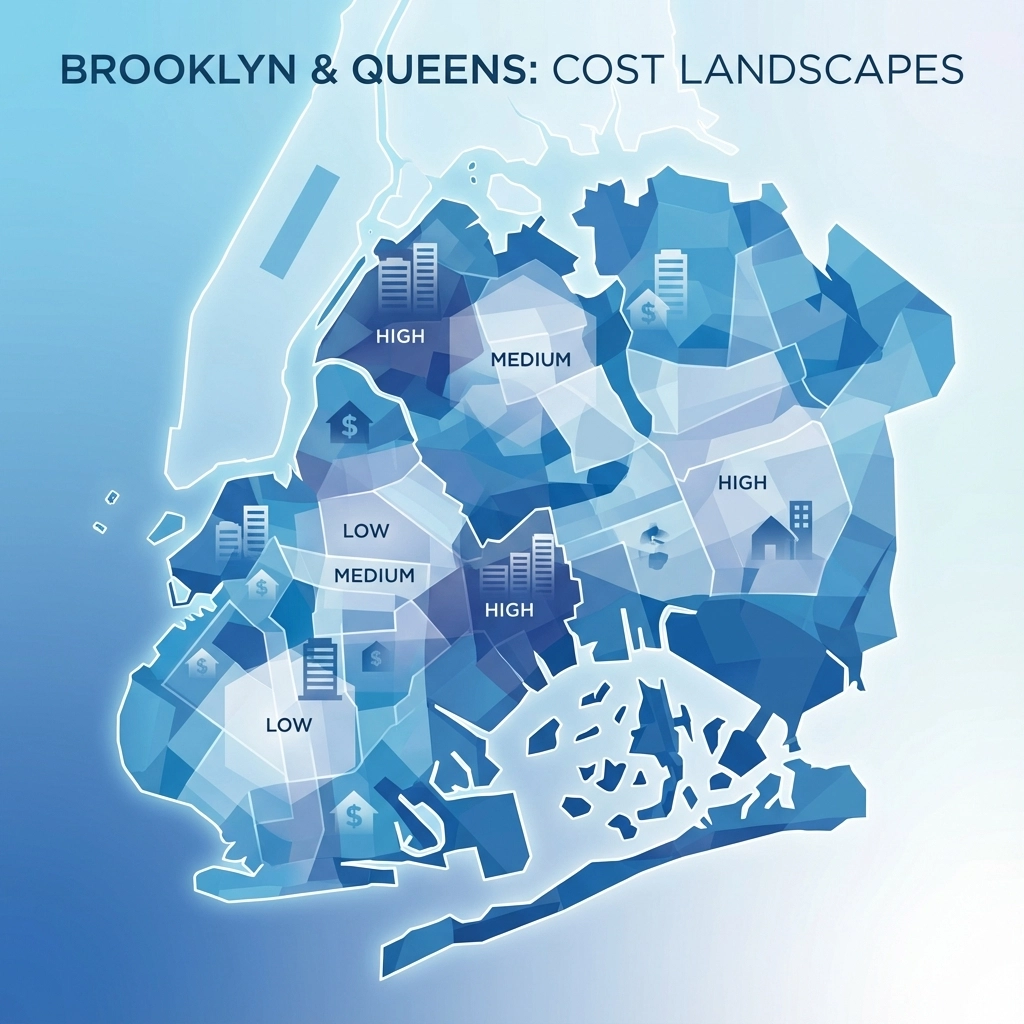
Geographic location within NYC significantly affects operating costs. Brooklyn condos generally face higher labor costs due to union presence and parking challenges for service providers. However, they often have access to more competitive vendor markets.
Queens properties frequently benefit from lower base labor rates but may pay premium prices due to limited vendor options in certain neighborhoods. Buildings in rapidly developing areas like Long Island City face unique challenges with utility infrastructure and regulatory compliance.
Insurance costs vary significantly by neighborhood. Brooklyn Heights condos might pay 15-20% more for flood insurance compared to similar buildings in Astoria, while properties near industrial areas face higher liability premiums.
Property tax implications also differ. Queens properties often face more frequent tax assessments, requiring ongoing professional management to ensure proper appeals and exemption applications.
What Are the Most Effective Cost-Reduction Strategies?
Implement energy efficiency improvements systematically. Start with LED lighting conversion (typically 6-8 month payback period), then address HVAC maintenance and programmable thermostats. Buildings that invest $10,000-15,000 in efficiency upgrades often reduce annual utility costs by $8,000-12,000.
Establish preventive maintenance schedules for all major building systems. Regular elevator maintenance costs approximately $2,000 annually but prevents $15,000-20,000 emergency repairs. Similarly, annual HVAC servicing eliminates most costly breakdown calls.
Digitize administrative processes to reduce operational expenses. Going paperless for notices, board communications, and financial statements typically saves $2,000-4,000 annually in printing and mailing costs for buildings with 50+ units.
Negotiate payment terms with major vendors. Many service providers offer discounts for annual prepayment or extended contract commitments. Buildings with strong cash flow can often secure 5-10% discounts through strategic payment timing.
Review insurance coverage annually with independent agents who represent multiple carriers. Buildings that haven’t shopped insurance rates in three years typically pay 20-30% more than necessary.
When Should You Consider Switching Management Companies?
If your current management company charges separately for budget analysis, vendor bidding, or financial reporting, you’re likely overpaying for basic services. Professional property management should include comprehensive cost management as part of standard service delivery.
Warning signs include:
- Monthly financial reports that lack detailed expense breakdowns
- Limited access to real-time financial data
- Vendor relationships that haven’t been competitively bid in 2+ years
- Emergency repairs that could have been prevented with proper maintenance
- Insurance renewals without competitive shopping
- Inability to provide cost-reduction recommendations
Buildings switching to full-service management companies typically see operating cost reductions of 8-15% within the first year, even accounting for management fee differences.
Look for companies offering transparent pricing with no hidden charges for essential services like dues collection, vendor management, and financial reporting. The best management companies brooklyn ny provide 24/7 customer support and comprehensive online portals that give boards complete visibility into building operations and finances.
Taking Control of Your Operating Costs
Managing condo operating costs effectively requires ongoing attention and professional expertise. Buildings that implement systematic cost management: including regular vendor reviews, preventive maintenance programs, and transparent financial oversight: typically maintain stable expenses despite market inflation.
The key is partnering with a management company that prioritizes cost efficiency and provides the tools and transparency necessary for effective board oversight. With proper management and strategic planning, most NYC condos can reduce operating costs by 10-20% while actually improving service quality and building maintenance standards.
If your building’s costs continue rising without clear justification, it’s time to examine your management approach and vendor relationships. The right changes can save thousands annually while positioning your property for long-term financial stability.