

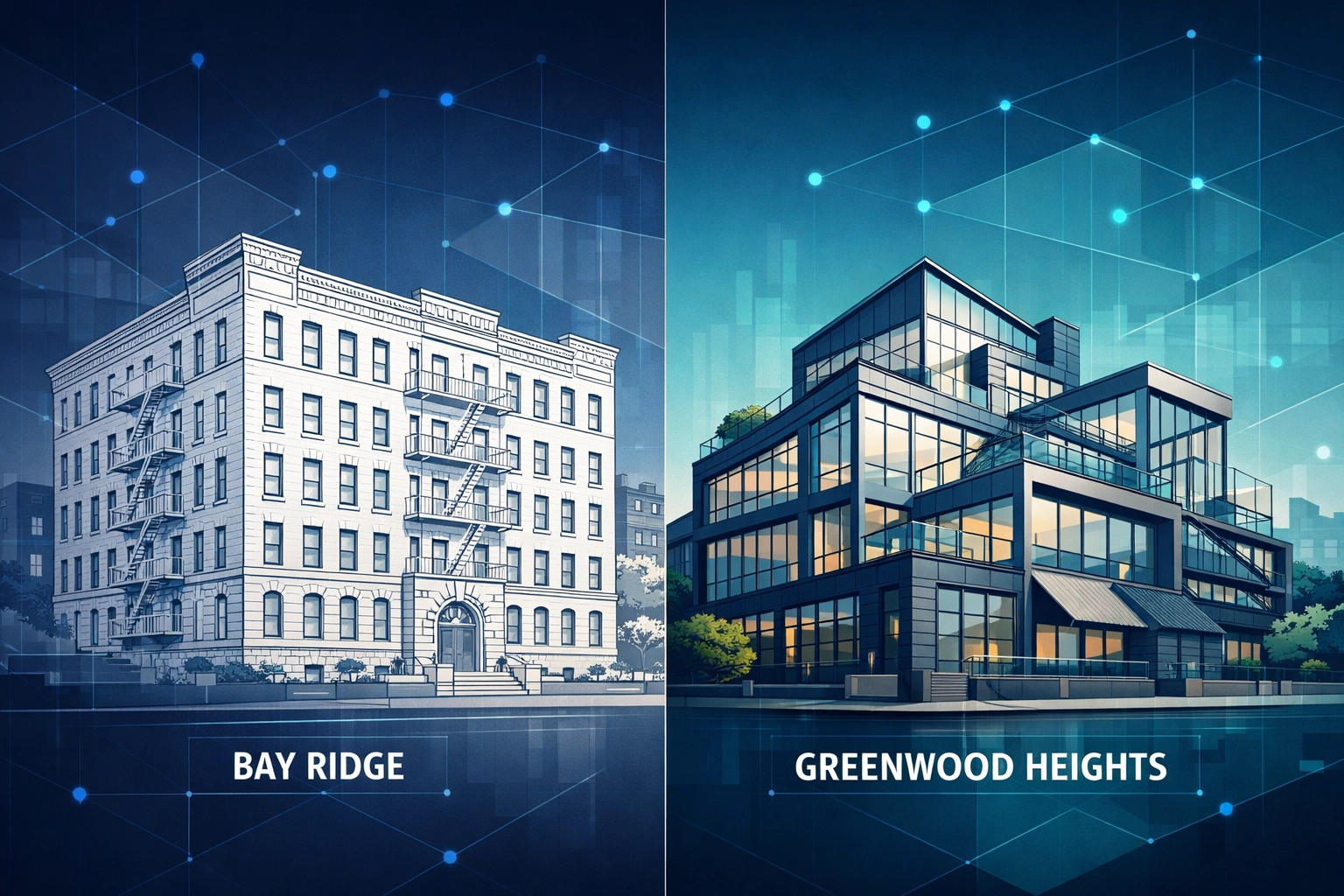
Brooklyn’s real estate landscape is rarely static, but as we move deeper into 2026, the divergence between neighborhoods has become more pronounced than ever. For a property owner, the geographic difference between Bay Ridge and Greenwood Heights is only about four miles, but from a management perspective, they represent two entirely different worlds.
One neighborhood is defined by its deep-rooted residential stability and classic pre-war infrastructure, while the other is characterized by rapid industrial-to-residential conversions and high-density modern developments. Navigating these differences requires more than just a standard "template" for management. It requires a localized understanding of tenant expectations, building aging cycles, and the specific NYC compliance hurdles that vary based on building age and type.
How do neighborhood demographics shape property management needs?
Before diving into the technical specifications of boilers or building codes, it is essential to understand who lives in these areas. Property management is, at its core, a service industry.
In Bay Ridge, the tenant base often skews toward long-term residency. You will find families who have lived in the same rent-stabilized building for decades alongside young professionals seeking the quiet, suburban-suburban feel of the waterfront. Management here focuses on stability and the preservation of a "legacy" feel.
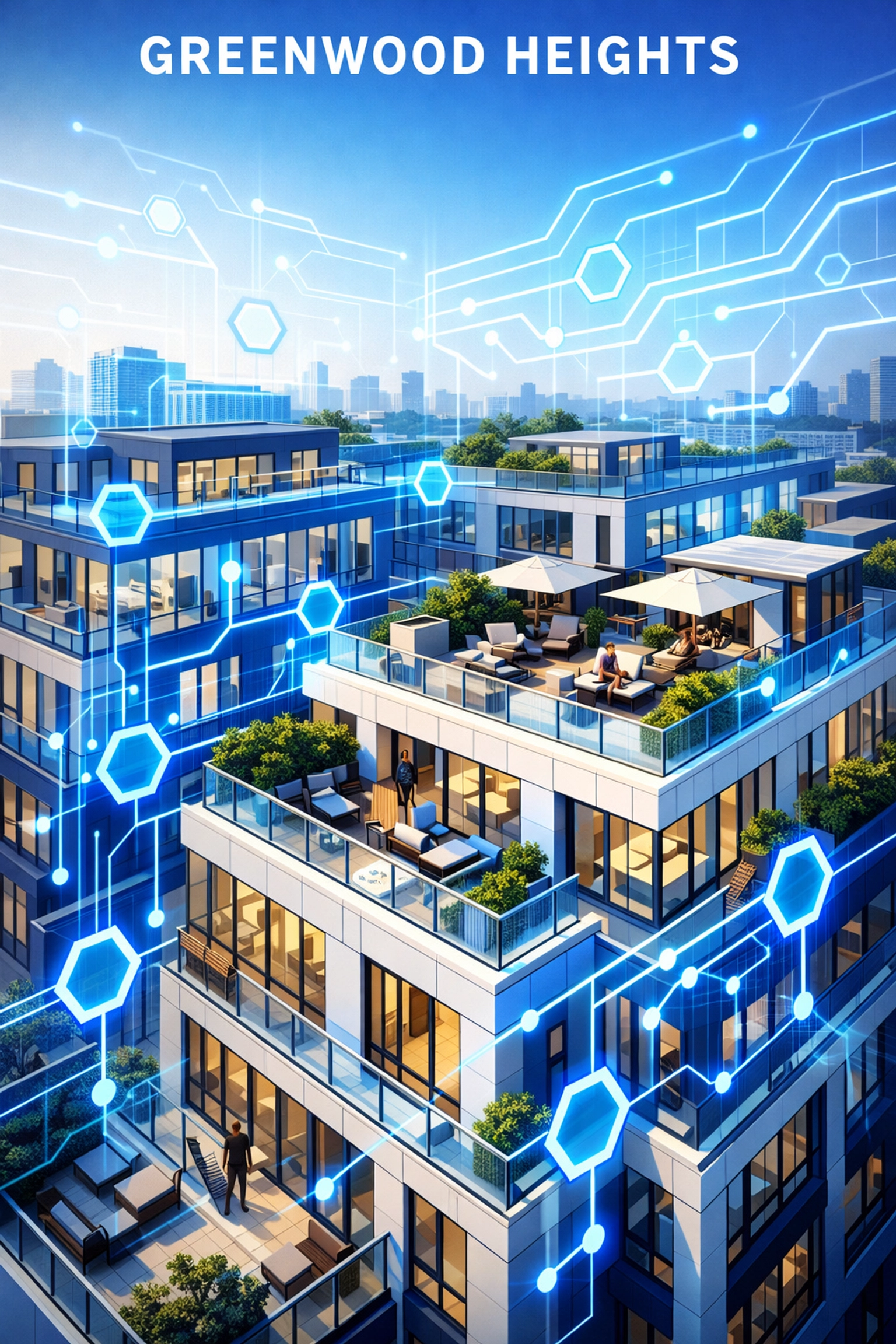
Conversely, Greenwood Heights (often considered the edgy sibling of South Slope) attracts a demographic looking for the "New Brooklyn" aesthetic. These tenants expect smart-home features, high-end communal spaces, and rapid digital communication. Property Management Services in Greenwood Heights must be tech-forward to meet the expectations of a population that views their apartment as a curated lifestyle choice rather than just a long-term home.
What are the unique operational challenges of Property Management in Bay Ridge?
Bay Ridge is famous for its "Gold Coast" mansions, but for the average investor, the inventory consists largely of mid-sized pre-war brick buildings and sprawling garden apartment complexes. These structures carry a specific set of operational risks that newer developments simply do not have.
- Aging Infrastructure Maintenance: Many buildings in Bay Ridge rely on legacy steam heating systems and aging plumbing. Proactive management involves frequent boiler inspections and a rigorous preventative maintenance schedule to avoid the 2:00 AM emergency calls that can drain an owner's reserve fund.
- Rent Stabilization Compliance: A significant portion of the Bay Ridge rental stock falls under rent stabilization guidelines. Since the 2019 HSTPA laws and subsequent 2024-2025 updates, the margin for error in record-keeping has vanished. Landlords must be meticulous with DHCR filings to avoid overcharge claims. (For more on this, see our guide on rent-stabilized property management in Brooklyn).
- Local Law 11 (FISP) Requirements: Given the height and age of many Bay Ridge apartment buildings along Fourth and Fifth Avenues, facade safety inspections are a recurring and expensive necessity.
Property Management in Bay Ridge isn't about reinventing the wheel; it’s about making sure the wheel, which may be 80 years old, continues to turn efficiently and safely.
Why do Property Management Services in Greenwood Heights require a different toolkit?
Greenwood Heights presents the opposite challenge. Here, the landscape is a mix of wood-frame row houses and modern, "glass and steel" industrial conversions. The management needs here are often centered on the complexities of new construction.
- Amenity Management: Many new developments in Greenwood Heights feature roof decks, fitness centers, and package rooms. These require daily oversight, cleaning schedules, and liability management that a traditional Bay Ridge walk-up does not.
- Warranty Management: For owners of new developments, the first five years are critical. A proactive manager must handle "punch list" items and hold developers accountable for construction defects before warranties expire.
- HVAC and Energy Systems: Unlike the steam heat of Bay Ridge, Greenwood Heights properties often utilize localized HVAC units or VRF systems. These require specialized technicians and regular filter changes to maintain energy efficiency and tenant comfort.

Comparing the compliance landscape: Local Law 97 and beyond
As of 2026, the financial impact of Local Law 97 is no longer a theoretical concern, it is a line item in every savvy landlord’s budget. However, the way this law affects these two neighborhoods is quite different.
In Bay Ridge, the challenge is retrofitting. Older buildings often struggle with insulation and outdated heating systems, making them prime targets for high carbon-emission fines. A property manager in this area must focus on identifying "low-hanging fruit" upgrades, such as LED lighting and pipe insulation, to mitigate these costs. You can read more about how Local Law 97 fines are impacting Brooklyn owners here.
In Greenwood Heights, many buildings were constructed with modern energy codes in mind. However, "modern" does not automatically mean "compliant." Higher-density buildings with floor-to-ceiling glass can have significant heat loss issues. Here, management focuses on data monitoring and ensuring that the high-tech systems installed during construction are actually performing at their peak efficiency.
Beyond energy, both neighborhoods face the rigors of Local Law 55 (Asthma allergen hazards) and Local Law 1 (Lead paint). While lead is a primary concern in the older stock of Bay Ridge, mold and moisture management, often caused by the tighter building envelopes of new Greenwood Heights construction, require constant vigilance from the management team.
The danger of "Generic" Management Templates
Many national property management firms use a "template" approach. They apply the same software, the same vendor list, and the same communication style to a 300-unit luxury tower in Downtown Brooklyn as they do to a 20-unit walk-up in Bay Ridge. This is a recipe for operational failure.
A 20-unit building in Bay Ridge requires a "hands-on" super who knows the tenants by name and understands the quirks of an old basement. A 300-unit building in a developing area like Greenwood Heights requires a robust digital portal for maintenance requests and a high-volume leasing strategy to maintain occupancy in a competitive market.
At Landlord Management (LLM), we recognize that the "Modern Landlord" is often juggling multiple asset types. You might own a legacy multi-family building in Bay Ridge that provides steady cash flow, while simultaneously developing a boutique condo in Greenwood Heights for long-term appreciation. Managing these requires two different mentalities: one focused on preservation and the other on performance.
Financial Oversight: Budgeting for the long term
A critical part of property management is the "Capital Improvement Plan." The financial needs of these two neighborhoods are worlds apart.
- Bay Ridge Budgeting: Focuses on the "Big Five": Roof, Boiler, Windows, Facade, and Elevator. Because these buildings are older, the reserves must be higher to account for unexpected structural repairs. A failure to plan for a $150,000 boiler replacement can bankrupt a small-to-mid-sized property's annual cash flow.
- Greenwood Heights Budgeting: Focuses on "Operational Efficiency." With newer buildings, the goal is to keep common charges or operating expenses low to attract buyers or high-paying tenants. This involves aggressive bidding on service contracts (trash, cleaning, internet) and staying ahead of the spiraling costs of condo operations.
Why LLM is the right fit for the Brooklyn corridor
Landlord Management (LLM) provides the "Best of Both Worlds" because we are built on the ground in Brooklyn. We don't manage from a call center in another state; we manage from the streets of the boroughs.
Whether you are looking for Property Management in Bay Ridge to stabilize a multi-generational asset or need Property Management Services in Greenwood Heights to oversee a complex new conversion, our approach is always the same:
- Proactive Compliance: We track the dates so you don't have to. From backflow preventer tests to annual bed bug filings, we ensure your building remains "invisible" to NYC inspectors.
- Hands-on Operations: We believe in physical inspections. You cannot manage a building from a dashboard alone. Our team visits sites regularly to catch small leaks before they become large lawsuits.
- Financial Transparency: We provide clear, concise reporting that allows owners to see exactly where every dollar is going, helping you maximize the value of your asset.

Practical next steps for Brooklyn Owners
If you are currently managing a property in either of these neighborhoods and feeling the weight of the 2026 regulatory environment, it may be time to audit your current management structure. Ask yourself:
- Has my manager provided a clear plan for Local Law 97 compliance?
- Are my rent-stabilization records organized and ready for a DHCR audit?
- Is my building’s curb appeal attracting the highest possible rent for the neighborhood?
If the answer to any of these is "no," or if you're simply tired of the 2:00 AM phone calls, let's talk. Brooklyn is changing, and your management strategy should change with it.
For a deeper dive into what you should be paying for these services, check out our breakdown of Brooklyn vs. Queens property management costs. If you're ready to see how LLM can protect your investment, contact us today.