

Owning a multi-family property in Queens sounds like a straightforward investment. Collect rent, handle a few repairs, and watch the passive income roll in. But if you've been self-managing for any length of time: whether you own a 6-unit walk-up in Ridgewood or a 20-unit building in Astoria: you already know the reality is far more demanding.
Self-managing a multi-family property isn't a side gig. It's a full-time job with unpredictable hours, complex regulations, and responsibilities that don't pause for weekends or holidays. For many Queens property owners, the question isn't whether they can handle it all: it's whether they should.
What Does Self-Managing a Queens Multi-Family Actually Involve?
When you self-manage, you're not just a landlord. You're the accountant, the compliance officer, the maintenance coordinator, the mediator, and the emergency responder: all rolled into one.
Here's a breakdown of what typically lands on your plate:
- Tenant screening and lease management – Running background checks, verifying income, drafting leases, and handling renewals
- Rent collection and bookkeeping – Tracking payments, managing arrears, reconciling accounts, and preparing for tax season
- Maintenance coordination – Scheduling routine repairs, responding to work orders, and managing vendor relationships
- Legal and regulatory compliance – Staying current with HPD requirements, DHCR filings, and local housing laws
- Tenant relations – Fielding complaints, mediating disputes, and handling move-ins and move-outs
- Emergency response – Addressing burst pipes, heating failures, or lockouts at 2 AM
Each of these tasks demands time, attention, and expertise. Without structure, small problems: like a delayed repair or a missed rent payment: can snowball into costly headaches.

Why Is Rent Stabilization Compliance So Time-Consuming?
If your Queens multi-family includes rent-stabilized units, compliance adds another layer of complexity. New York's rent stabilization laws are notoriously detailed, and mistakes can result in fines, penalties, or legal disputes with tenants.
Here's what compliance typically involves:
- Annual DHCR registration – Filing rent registrations with the Division of Housing and Community Renewal each year
- Lawful rent calculations – Tracking allowable increases, Major Capital Improvements (MCIs), and Individual Apartment Improvements (IAIs)
- Required lease riders – Including proper rent stabilization lease addendums and window guard notices
- HPD violations – Responding to complaints, scheduling inspections, and correcting violations before they escalate
For owners in neighborhoods like Astoria, LIC, and Flushing: where rent-stabilized buildings are common: this paperwork alone can consume several hours each month. Miss a filing deadline or miscalculate an allowable increase, and you could face tenant challenges or regulatory penalties.
If you're looking for a deeper dive into compliance basics, our guide on rent-stabilized property management in Brooklyn and Queens covers what owners can't afford to ignore.
What Makes Maintenance in Multi-Family Buildings So Demanding?
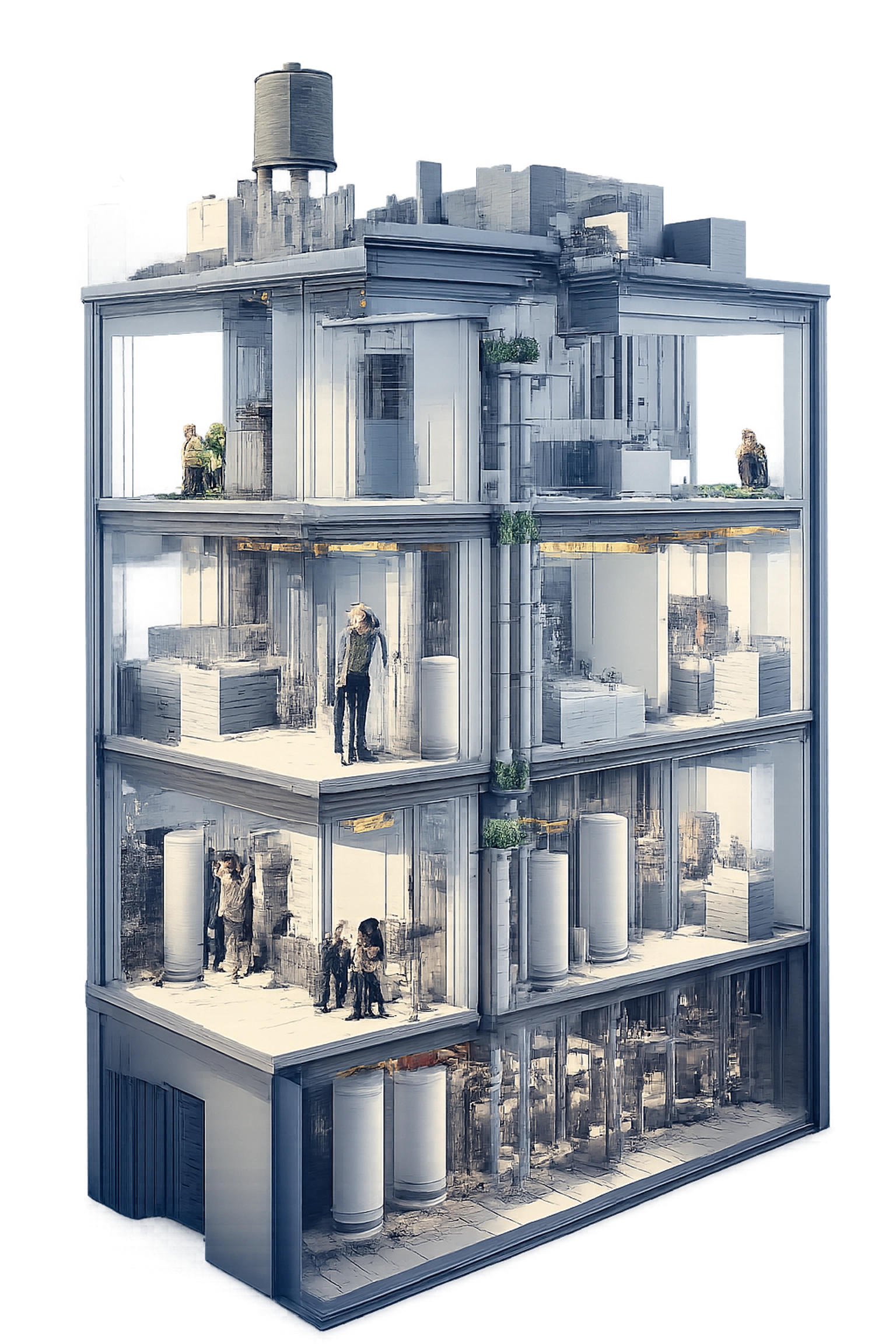
Multi-family properties are maintenance-intensive by nature. Shared systems: plumbing, electrical, roofing, and HVAC: serve multiple units, which means more wear and more potential points of failure.
In older Queens buildings (and there are plenty of them in Ridgewood, Astoria, and Flushing), you're often dealing with aging infrastructure that requires proactive attention rather than reactive fixes. Waiting until something breaks usually costs more in the long run.
Common maintenance responsibilities include:
- Routine inspections of common areas, hallways, and building exteriors
- Seasonal tasks like boiler servicing, gutter cleaning, and snow removal
- Coordinating with licensed contractors for plumbing, electrical, and structural repairs
- Tracking work orders and ensuring timely completion
- Managing capital improvement projects
Then there's the unpredictable side: the 11 PM call about a water leak, the Sunday morning heating failure in January, or the backed-up sewer line affecting half the building. These emergencies don't wait for business hours, and they require immediate action.
How Do Tenant Relations Add to the Workload?
With multiple tenants under one roof, your role shifts from landlord to on-site manager: and sometimes mediator. Each tenant has their own communication style, expectations, and concerns. Multiply that by 6, 10, or 20 units, and you're spending a significant portion of your week just managing relationships.
Common tenant-related tasks include:
- Responding to maintenance requests and complaints
- Mediating disputes over noise, parking, or shared spaces
- Coordinating move-ins and move-outs
- Handling lease violations and, when necessary, legal proceedings
- Communicating building-wide updates or policy changes
In neighborhoods like LIC and Astoria: where tenant turnover can be higher due to the younger, more transient renter demographic: you may find yourself cycling through this process more frequently than in other parts of Queens.
What Makes Queens Neighborhoods Unique for Property Owners?
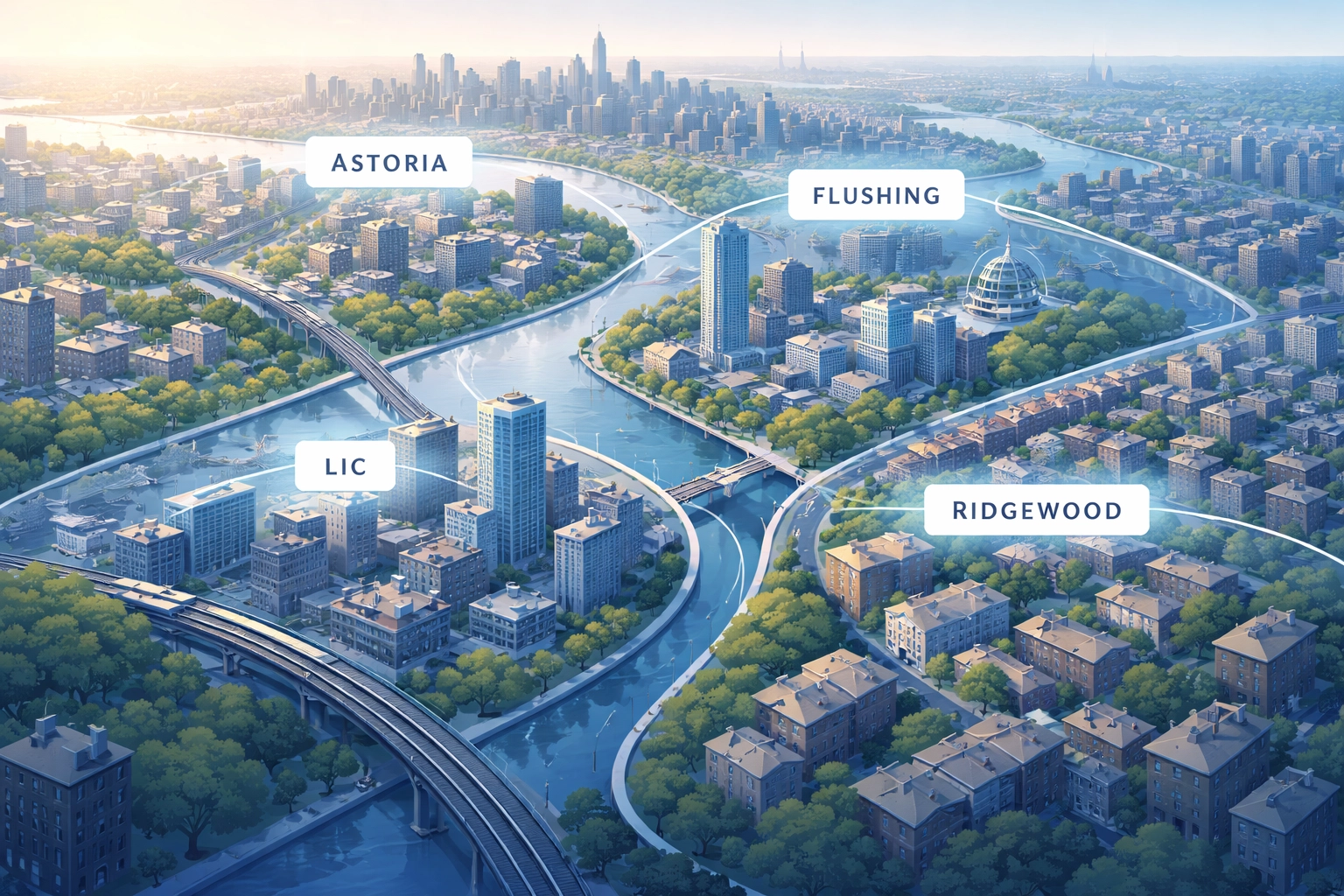
Queens is one of the most diverse boroughs in the country, and that diversity extends to its real estate landscape. Each neighborhood presents its own set of opportunities and challenges for multi-family owners.
Astoria – A mix of older rent-stabilized buildings and newer market-rate developments. High tenant demand, but also high expectations for responsiveness and building quality.
Long Island City (LIC) – Rapid development has transformed this area, attracting young professionals and families. Competition among landlords is stiff, and maintenance standards are high.
Flushing – A dense, commercial-heavy area with a significant number of multi-family properties. Language diversity among tenants can add communication complexity.
Ridgewood – Often grouped with Bushwick, this area has seen increased investor interest. Many buildings are older, requiring more hands-on maintenance attention.
Understanding the nuances of your specific neighborhood helps you anticipate challenges: but it also adds to the knowledge base you need to stay on top of.
For a broader comparison of what property management looks like across the borough, check out our post on Brooklyn vs. Queens property management costs and services.
When Outsourcing Improves Property Performance
At a certain point, the hours you spend self-managing have a real cost: even if it's not showing up as a line item on your expense sheet. Time spent chasing down late rent, coordinating repairs, or navigating DHCR filings is time you're not spending on your career, your family, or your next investment opportunity.
Outsourcing to a Queens property management company makes sense when:
- Your building has grown beyond what you can reasonably handle alone
- Compliance requirements (especially rent stabilization) are eating into your time
- You're dealing with frequent tenant turnover or ongoing disputes
- Emergency calls are disrupting your personal life
- You want to scale your portfolio without scaling your workload
A professional property management company handles the operational demands: tenant screening, rent collection, maintenance coordination, compliance filings: so you can focus on higher-level decisions like acquisitions, capital improvements, or long-term financial planning.
What Should You Look for in a Queens Property Management Company?
Not all property management companies offer the same level of service. When evaluating your options, look for a partner that aligns with your priorities as an owner.
Full transparency with no hidden fees – You should know exactly what you're paying for, with no surprise charges for routine services.
24/7 online portal access – Real-time visibility into documents, maintenance requests, and financials keeps you informed without constant phone calls.
Rent stabilization expertise – If your building includes stabilized units, your property manager should have deep knowledge of HPD and DHCR compliance requirements.
Combined buying power – A well-connected management company can leverage relationships with vendors and insurers to reduce your operating costs.
Licensed Realtors on staff – When it's time to fill vacancies or explore a sale, having licensed professionals in-house streamlines the process.
At Landlord Management (LLM), we provide Queens property management services built around these principles. Our team specializes in multi-family property management in Queens: including rent-stabilized buildings in Astoria, LIC, Flushing, Ridgewood, and beyond.
Ready to Stop Running a Full-Time Operation?
Self-managing your Queens multi-family property might have made sense when you first acquired it. But as your portfolio grows: or as your time becomes more valuable: outsourcing to a trusted property management company can free you from the daily grind while protecting your investment.
If you're curious what professional management could look like for your building, request a free proposal or reach out for a consultation. We'll walk through your current situation, answer your questions, and show you exactly how we can help.