

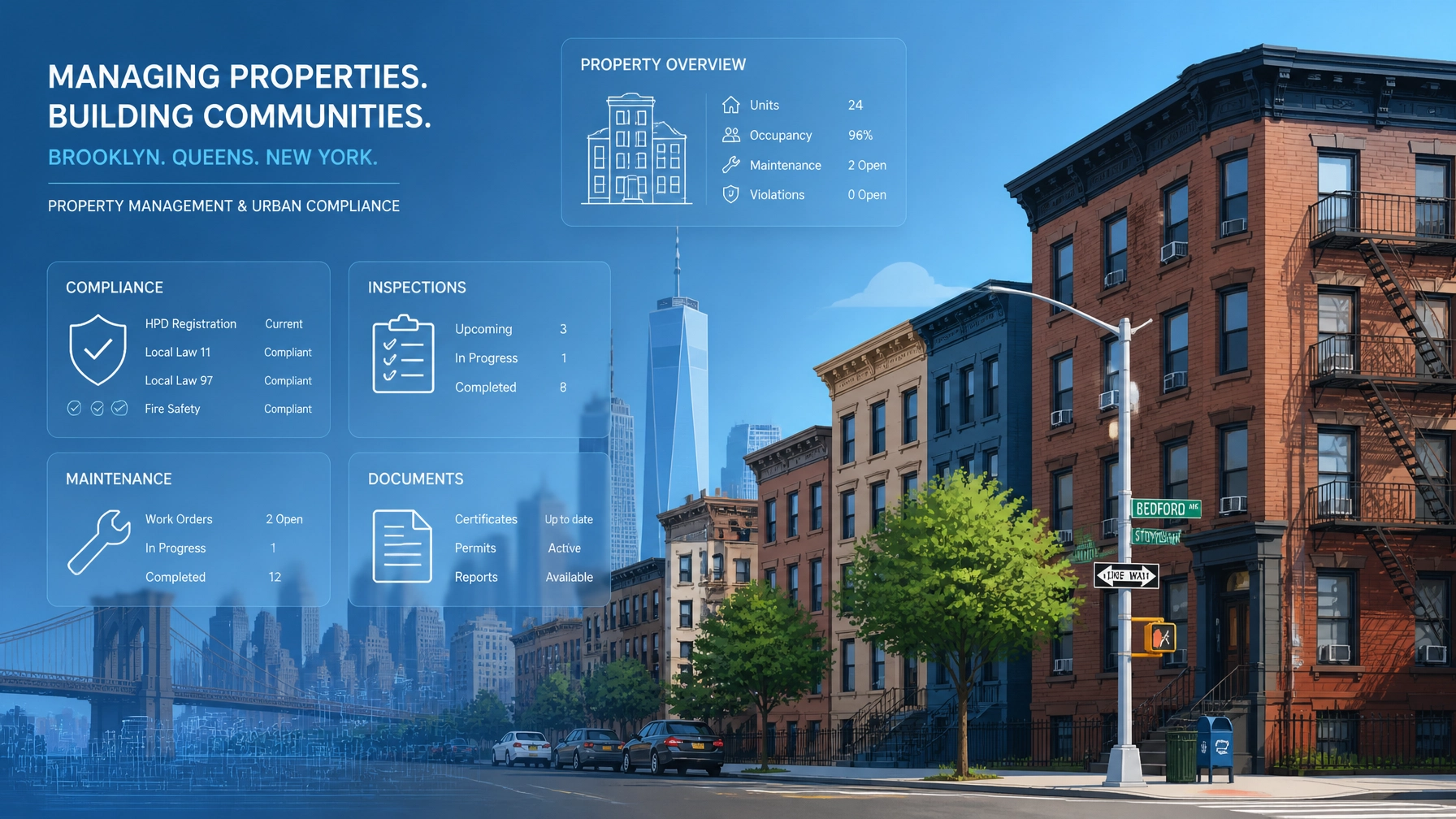
Property owners and building boards across the outer boroughs are facing a rapidly shifting operational landscape. Following the release of the comprehensive July 2026 housing reforms: widely referred to in municipal circles as the Mamdani "Rental Ripoff" initiative: building administration standards have tightened dramatically.
For landlords operating in vibrant neighborhoods like Ridgewood, East New York, and Bushwick, the question is no longer whether municipal oversight will increase, but how rapidly management practices must adapt to avoid severe penalties. Whether you oversee a 12-unit walk-up or a larger multi-family portfolio, understanding these new rules is essential for protecting asset value and operational stability.
What Are the Core Changes in the July 2026 Enforcement Agenda?

The recent legislative and administrative package introduces 23 distinct proposals designed to overhaul private rental housing oversight. Rather than focusing solely on public housing, these reforms target private market landlords, rent-stabilized buildings, and apartment advertising standards.
Key structural changes include:
- Stricter HPD Inspection Protocols: The Department of Housing Preservation and Development (HPD) is phasing out policies that previously grouped multiple heat or hot-water complaints from a single building as duplicates. Inspectors are now mandated to investigate every distinct report.
- Expanded Digital Service and Registration: Building owner registrations are undergoing digital modernization, allowing HPD to serve violation notices electronically and demanding hyper-accurate contact records.
- Enhanced Financial Penalties: The Department of Buildings (DOB) gains broader authority to place property liens for housing code violations totaling $25,000 or more, alongside recurring annual penalties for uncorrected hazardous conditions.
- AEP Overhaul: The Alternative Enforcement Program (AEP): which targets chronically distressed properties: is experiencing its first major restructure in two decades.
For property owners seeking specialized regional expertise, professional guidance is crucial. Organizations looking for tailored Property Management in East New York or navigating Property Management Queens NY must ensure their compliance frameworks reflect these heightened standards.
How Does Stricter HPD Scrutiny Impact Rent-Stabilized Buildings?
Rent-stabilized portfolios in outer-borough submarkets are experiencing unprecedented administrative attention. With tenant advocacy groups actively participating in organized building sweeps and "Enforcement Days," minor maintenance oversights can quickly escalate into portfolio-wide compliance audits.
(Note: The city's recent public hearings in Brooklyn and Queens directly informed these enforcement priorities, highlighting heat failures, persistent leaks, mold, and elevator outages as primary targets for municipal intervention.)

Under the updated framework, landlords must navigate several critical operational adjustments:
- False Certification Penalties: Falsely certifying that a housing code violation has been corrected now carries significantly steeper financial penalties and increases the likelihood of re-inspection.
- Tenant Union Engagement: The framework moves toward formal recognition of tenant unions, creating structured channels for collective bargaining over building conditions and mandated negotiation meetings.
- Housing Court Defenses: Tenants withholding rent now have expanded legal defenses if serious violations: such as heat, pest, or mold issues: remain uncorrected past statutory deadlines.
Partnering with an experienced Property Management Company in Bushwick ensures that tenant relations, repair logs, and maintenance responses are documented immutably, reducing the risk of protracted legal disputes.
What Do New Listing, Screening, and Registration Rules Mean for Landlords?
Beyond physical maintenance, the enforcement agenda places heavy emphasis on leasing transparency, tenant screening practices, and advertising accuracy.
Property managers can no longer rely on legacy templates or informal procedures when marketing vacancies. Key compliance mandates include:
- AI and Digital Ad Labeling: Rental listings utilizing artificial intelligence or heavily edited digital photographs must now clearly disclose these enhancements to prevent deceptive marketing.
- Screening and Income Thresholds: City Council proposals are re-evaluating credit checks, pointing toward a model where landlords may require either a credit check or proof of income meeting the 40x rent threshold: but not mandating both simultaneously in ways that create unnecessary financial barriers.
- Utility Cost Transparency: Prospective tenants must receive clear, upfront documentation regarding utility costs and recurring fees associated with the unit.
Maintaining rigorous administrative compliance is equally critical for owners in western Queens. Effective Property Management in Ridgewood Queens requires staying ahead of these digital disclosure rules and registration updates to prevent administrative fines.
How Can Proactive Owners Stay Ahead of the Curve?

Navigating the Mamdani enforcement era requires a shift from reactive repairs to continuous, data-driven property stewardship. Building owners and boards should implement a structured audit schedule before municipal scrutiny reaches their doorstep.
Recommended immediate next steps include:
- Conducting a Pre-emptive Portfolio Audit: Review all open HPD and DOB violations, prioritizing heat, hot water, mold, and pest remediation.
- Auditing Digital Assets and Registrations: Confirm that all property owner contact details, emergency contacts, and HPD registrations are current and synchronized across municipal databases.
- Refining Tenant Communication Channels: Establish transparent, documented protocols for addressing tenant maintenance requests, minimizing the likelihood of unaddressed complaints escalating to 311.
- Partnering with Operations Experts: Entrusting day-to-day compliance and maintenance coordination to experienced professionals helps isolate your portfolio from operational risk.
At Landlord Management (LLM), we specialize in protecting New York City property owners and boards from operational risk while maximizing building efficiency and compliance. Contact us today to discuss how our proactive management approach can safeguard your investments in Queens and Brooklyn.