

If you own rental property in Brooklyn, you've probably noticed that managing a building in Bed-Stuy feels completely different from managing one in Park Slope. And the costs? They're not exactly apples-to-apples either.
Both neighborhoods have their charm: and their challenges. Bed-Stuy has seen explosive growth over the past decade, with historic brownstones turning into multi-family rentals. Park Slope has long been the go-to for families seeking tree-lined streets and top-tier schools. But when it comes to property management costs in 2026, which neighborhood actually hits your wallet harder?
Let's break it down.
What Makes Bed-Stuy and Park Slope Different for Property Owners?
The first thing you need to understand is that these neighborhoods attract different property types, tenant demographics, and regulatory environments.
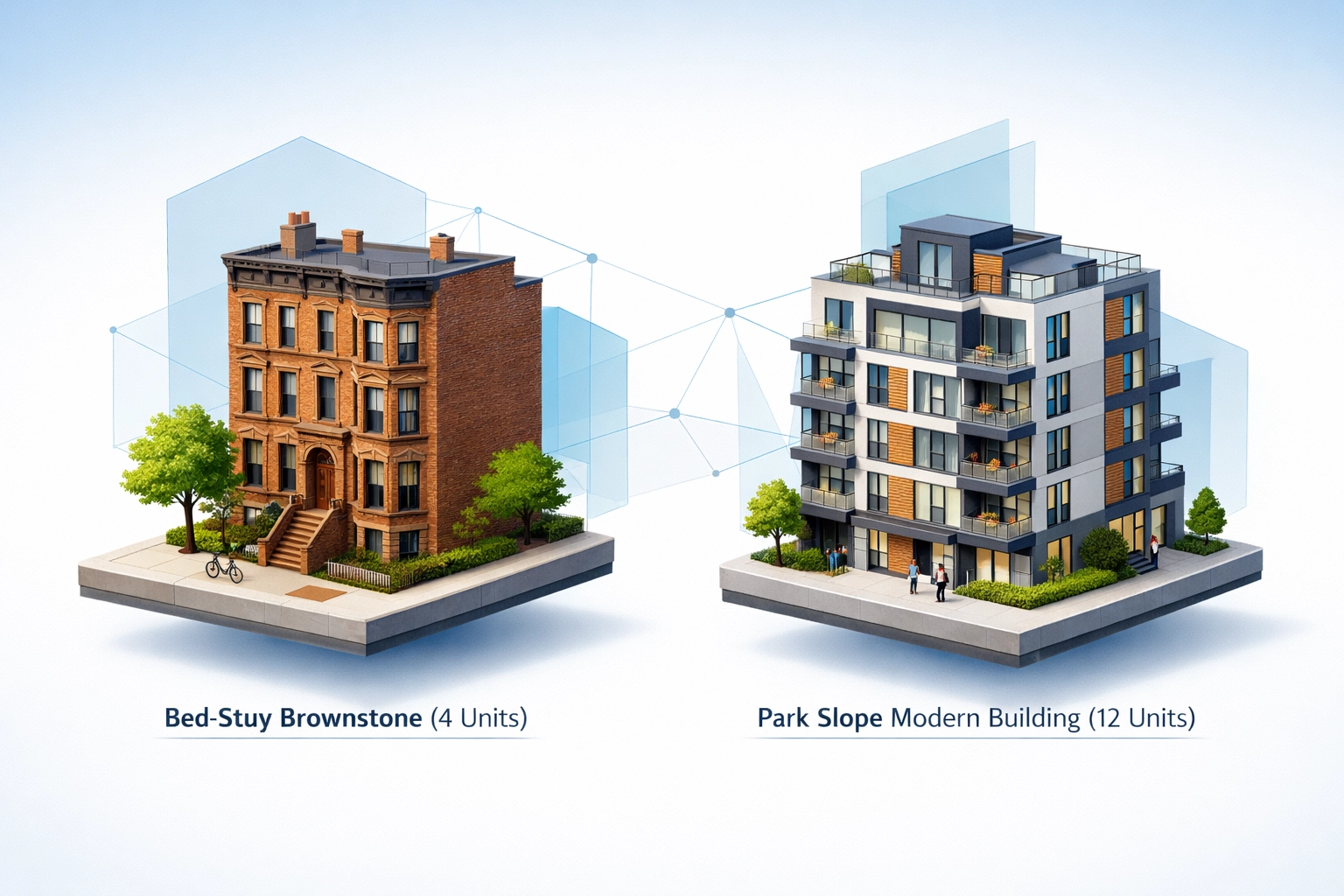
Bed-Stuy is dominated by:
- Pre-war buildings (many built between 1900-1940)
- Multi-family rentals with 3-6 units
- Higher concentration of rent-stabilized apartments
- Mix of long-term residents and newer renters
- Ongoing neighborhood gentrification creating mixed tenant expectations
Park Slope typically features:
- Historic brownstones and limestone townhouses
- Larger multi-family buildings (10+ units)
- More market-rate and luxury rentals
- Higher-income tenants with specific service expectations
- Established neighborhood with less dramatic demographic shifts
These differences set the stage for everything else: from maintenance schedules to tenant communication styles.

How Do Building Types Affect Management Costs?
The age and structure of your building directly impacts what you'll spend on management.
In Bed-Stuy, you're often dealing with converted brownstones that were never designed to be multi-family rentals. This creates specific challenges:
- Electrical systems: Many buildings still have outdated wiring that needs constant monitoring or complete overhauls
- Plumbing: Cast iron pipes from the 1920s don't age gracefully (and they definitely don't comply with modern codes)
- Heating systems: Old boilers require specialized technicians who aren't cheap
- Structural quirks: Load-bearing walls, uneven floors, and foundation issues that come with 100+ year old buildings
Park Slope buildings: especially the larger multi-family structures: often have different issues:
- Common areas: Lobbies, hallways, and elevators require regular maintenance and cleaning
- Amenity spaces: Laundry rooms, storage areas, and sometimes gyms need oversight
- More complex building systems: Larger buildings mean more sophisticated HVAC, security, and fire suppression systems
- Higher finish quality: Premium fixtures and finishes that cost more to repair or replace
The verdict? Park Slope buildings typically have higher individual repair costs when something breaks, but Bed-Stuy buildings break more frequently due to aging infrastructure.
What Are the Real Maintenance Cost Differences in 2026?
Let's talk numbers. Maintenance costs in both neighborhoods have increased significantly, but for different reasons.
Bed-Stuy Maintenance Challenges:
In 2026, emergency repairs in Bed-Stuy average 15-20% higher than Brooklyn's overall average. Why? Aging infrastructure combined with a shortage of contractors familiar with pre-war building systems. You're not just paying for the repair: you're paying for expertise.
Common expenses include:
- Boiler repairs: $2,500-$8,000 annually
- Plumbing emergencies: $300-$1,200 per incident (and they happen frequently)
- Electrical upgrades to meet code: $5,000-$15,000 per building
- Façade repairs on brownstones: $10,000-$50,000 when needed
Park Slope Maintenance Challenges:
Park Slope properties face different cost pressures. Tenant expectations are higher, which means faster response times and premium materials.
Typical expenses:
- Elevator maintenance contracts: $3,000-$6,000 annually
- Landscaping and exterior upkeep: $2,000-$5,000 annually
- Common area cleaning services: $500-$1,500 monthly
- High-end appliance repairs: $200-$800 per unit
The maintenance cost winner? It depends on your building's condition, but Bed-Stuy properties with deferred maintenance can easily outpace Park Slope's ongoing costs.

How Does Rent Stabilization Impact Your Bottom Line?
Here's where things get interesting. Rent stabilization dramatically affects management costs: and Bed-Stuy has significantly more rent-stabilized units than Park Slope.
Bed-Stuy and Rent Stabilization:
According to NYC housing data, approximately 40-45% of Bed-Stuy rental units fall under rent stabilization. This creates specific management requirements:
- Mandatory annual rent registration with DHCR
- Strict lease renewal procedures and timelines
- Limited rent increase allowances (2.75% for one-year leases in 2026)
- Detailed record-keeping for all improvements and maintenance
- Legal compliance expertise to avoid penalties
Non-compliance with rent stabilization regulations can result in fines ranging from $1,000 to $5,000 per violation. For property owners unfamiliar with these rules, hiring a property management company with rent-stabilized expertise isn't optional: it's essential.
Park Slope's Market-Rate Reality:
Park Slope has fewer rent-stabilized units (estimated at 15-20% of rentals), which means:
- More flexibility in lease terms and rent increases
- Less regulatory paperwork and compliance overhead
- Higher turnover costs when market-rate tenants leave
- Greater emphasis on competitive amenities and service quality
The management cost difference? Rent-stabilized properties require approximately 20-30% more administrative time, which property management companies factor into their pricing.
What Do Tenants Expect in Each Neighborhood?
Tenant expectations directly influence management costs, and these two neighborhoods couldn't be more different.
Bed-Stuy Tenant Profile:
Tenants in Bed-Stuy range from long-term residents who've lived there for decades to young professionals drawn by relative affordability. Communication styles vary widely, but expectations generally include:
- Reasonable response times (24-48 hours for non-emergencies)
- Respectful, straightforward communication
- Fair treatment regarding rent increases and lease renewals
- Basic building maintenance and cleanliness
Park Slope Tenant Profile:
Park Slope attracts higher-income families and professionals who expect premium service:
- Same-day or next-day response for any maintenance issue
- Proactive communication about building matters
- High-quality repairs using premium materials
- Modern technology (online portals, digital payments, mobile apps)
- Concierge-level customer service
Meeting Park Slope expectations requires more hands-on management, which translates to higher costs. A 24/7 maintenance portal isn't a luxury in Park Slope: it's baseline.
What Are the Hidden Operating Expenses?
Beyond maintenance and tenant management, operating expenses can vary significantly between neighborhoods.
Garbage and Waste Management:
Bed-Stuy properties often have more lenient (read: less expensive) waste management arrangements, but this is changing as the neighborhood develops. Park Slope buildings: especially larger ones: face stricter requirements and higher costs for commercial waste services.
Average costs in 2026:
- Bed-Stuy: $150-$300 monthly for a 4-6 unit building
- Park Slope: $300-$600 monthly for a 10-12 unit building
Vendor Availability and Pricing:
Park Slope's established infrastructure means more vendor competition, which can actually lower costs for routine services. However, premium service expectations drive prices back up.
Bed-Stuy faces a different challenge: fewer contractors specializing in historic building maintenance, which creates higher prices due to limited supply.
Utilities and Common Area Costs:
Buildings with landlord-paid utilities face different cost structures:
- Bed-Stuy: Older buildings are less energy-efficient, driving up heating costs by 20-30%
- Park Slope: Larger common areas (lobbies, hallways) increase lighting and climate control costs
Which Neighborhood Actually Costs More to Manage?
After analyzing building types, maintenance, rent stabilization, tenant expectations, and operating expenses, here's the truth: it depends on your specific property.
However, we can make some generalizations:
Bed-Stuy properties typically cost more to manage when:
- The building has significant deferred maintenance
- You have a high percentage of rent-stabilized units
- Aging infrastructure requires frequent emergency repairs
- You're bringing a property up to code compliance
Park Slope properties typically cost more to manage when:
- Tenant expectations require premium service levels
- Common areas need daily attention and maintenance
- You're competing with luxury rentals and need to maintain high standards
- Higher property values mean costlier insurance and property taxes
The management fee structure itself usually ranges from 8-12% of collected rent in both neighborhoods, but the total cost of ownership can vary by 20-40% depending on these factors.
How Can Property Management Companies Help Control Costs?
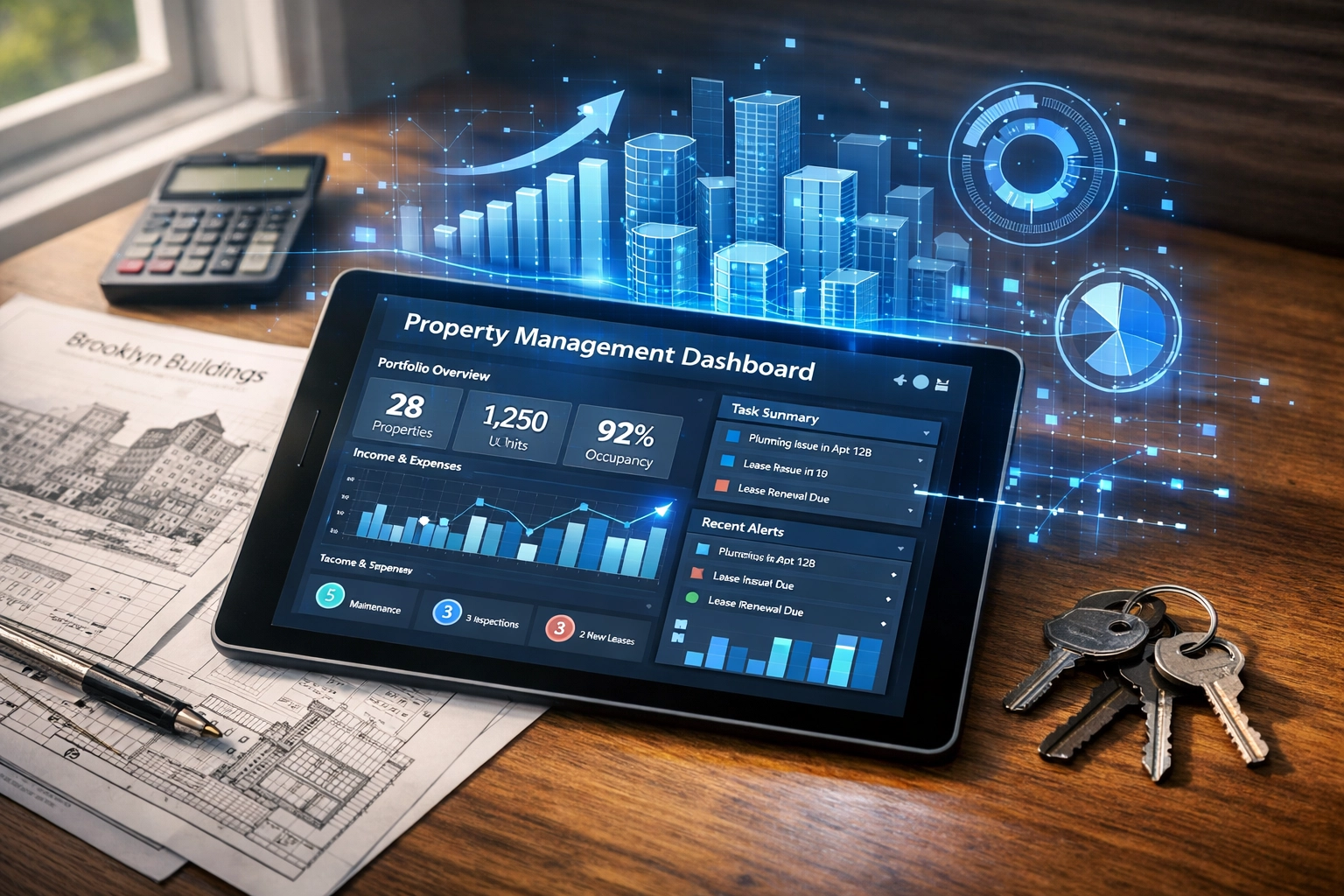
Whether you own in Bed-Stuy or Park Slope, the right property management partner can significantly impact your bottom line.
Professional management companies like Landlord Management (LLM) offer advantages that individual owners simply can't replicate:
Transparent Pricing:
No hidden fees regardless of whether your building is in Bed-Stuy or Park Slope. You know exactly what you're paying and what you're getting.
Rent Stabilization Expertise:
Critical for Bed-Stuy owners, this expertise prevents costly violations and ensures compliance with DHCR regulations. LLM's team stays current on all rent stabilization requirements, protecting you from penalties.
24/7 Maintenance Portal:
Meets the high expectations of Park Slope tenants while providing efficient service to Bed-Stuy residents. Modern technology doesn't have to mean higher costs: it actually improves response times and reduces emergency expenses.
Combined Buying Power:
Managing properties across both neighborhoods means better vendor relationships and negotiated rates. Those savings get passed directly to property owners.
Local Market Knowledge:
Understanding neighborhood-specific challenges: from Local Law 97 compliance to inspection requirements: helps prevent surprise expenses.
Comparing Operating Costs by Neighborhood
Managing property in Bed-Stuy versus Park Slope isn't about one neighborhood being categorically more expensive than the other. It's about understanding the specific challenges each presents and planning accordingly.
Bed-Stuy demands expertise in aging buildings, rent stabilization compliance, and navigating a rapidly changing neighborhood. Park Slope requires premium service delivery, attention to detail, and managing higher tenant expectations.
The most successful property owners in both neighborhoods share one thing in common: they partner with experienced management companies that understand these nuances and can navigate them efficiently.
Whether you're managing a converted brownstone in Bed-Stuy or a multi-family building in Park Slope, the real question isn't which costs more: it's whether you have the right team to optimize those costs while maximizing your property's value.