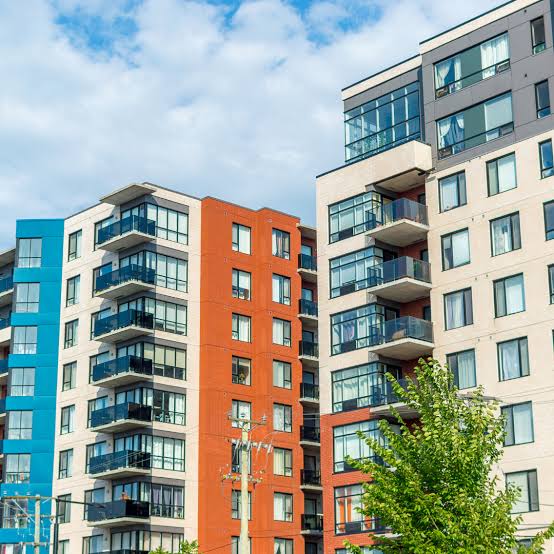
Property Investment Management: Maximizing Returns Through Strategic Planning

Property investment management plays a critical role in building long-term wealth through real estate ownership. While investing in property offers substantial financial opportunities, success requires far more than purchasing a property and collecting rent checks. Investors must make informed decisions, monitor rental operations and performance, control operational expenses, maintain high occupancy rates, and adapt to changing market conditions to maximize returns and protect their investments.

Professional Property Investment Management helps property owners maximize returns while actively protecting the fundamental value of physical assets, supported by real estate portfolio optimization and asset performance management services. Through strategic planning and professional oversight, individual investors improve cash flow through tenant relations and lease administration, reduce structural risks, and position assets for sustainable appreciation. Landlord Management provides comprehensive management solutions that help investors achieve specific financial goals while simplifying complex day-to-day operations across your portfolio.

Key Takeaways

  • Formulate proactive blueprints to help investors maximize baseline property performance metrics.
  • Execute efficient workflows to support higher occupancy levels and stronger monthly cash flow.
  • Coordinate preventative repairs to protect long-term property values against localized Brooklyn wear.
  • Implement financial oversight to control escalating operational expenses and improve net profitability.
  • Deliver professional services designed specifically to support long-term real estate investment success.

Why Does Property Investment Management Matter for Real Estate Success?

Property Investment Management establishes a structured framework for making informed operational decisions that support long-term equity growth, guided by investment performance planning and real estate asset oversight services. Without a structured strategy, real estate owners frequently struggle to maximize baseline returns or address sudden tenant challenges effectively. The reality on the ground is that simple oversight errors quickly compound into structural financial losses.

Owning investment property involves numerous distinct responsibilities that directly affect overall bottom-line profitability. Rental income, fluctuating operating costs, sudden maintenance needs, tenant support and property oversight, tenant relations, and local market trends all heavily influence financial performance. Consequently, Landlord Management helps investors develop customized, data-driven operational strategies that align physical property operations directly with overarching financial objectives while reducing unnecessary landlord stress.

How Does Property Investment Management Strategic Planning Improve Investment Performance?

Strategic planning allows real estate owners to evaluate emerging opportunities, identify underlying liabilities, forecast upcoming expenses, and establish measurable performance goals, executed through investment forecasting and long-term asset planning services. This proactive management approach allows investors to make major decisions that support long-term profitability rather than focusing solely on short-term rental results. Here is the part most management companies won’t tell you: reactive landlords always lose money to sudden vacancies and deferred maintenance.

Successful investors rely on forward-looking planning rather than merely reacting to expensive property problems after they surface. Through systematic asset oversight, property owners gain direct access to data-driven operational insights that support smarter capital expenditure decisions. Therefore, Landlord Management works closely with individual investors to create multi-year plans that optimize portfolio performance while protecting physical asset value.

Property Investment Management

Why Is Tenant Retention Important in Property Investment Management for Maximizing Returns?

Strong tenant retention strategies minimize costly turnover and support consistent rental income by fostering highly responsive communication, efficient maintenance, and fair policies. Maintaining quality tenants regularly proves far more cost-effective than frequently replacing occupants. Vacancies often represent one of the largest financial challenges property owners face because every vacant unit reduces monthly cash flow while fixed ongoing expenses continue.

Landlord management focuses heavily on creating professional, reliable tenant relationships that contribute directly to lease stability and improved financial performance.

How Does Financial Management Support Profitability in Property Investment Management?

Professional asset oversight helps individual investors maintain highly accurate accounting records, control routine expenses, and identify targeted operational strategies that improve profitability. Detailed financial reporting provides complete visibility into how individual assets perform and where hidden opportunities for cost reduction exist.

📈 Financial Optimization Blueprint

  • Monitor incoming revenue streams, including base rent, utility bill-backs, and parking fees.
  • Track operating expenses to identify budget overruns in seasonal landscaping or heating.
  • Fund capital reserves to prepare for major structural expenditures, such as a roof replacement.
  • Analyze performance metrics including net operating income, capitalization rates, and cash-on-cash return.

Effective financial oversight plays a critical role in investment success. Property owners must monitor income, expenses, emergency maintenance costs, reserve funds, and overall performance metrics. Landlord Management provides total financial transparency that helps investors make confident, data-driven decisions about their portfolios.

What Role Does Maintenance Play in Asset Protection?

Proactive maintenance programs preserve overall property condition while reducing emergency repair costs over time, strengthened through preventative property maintenance and asset preservation services. Delayed maintenance always leads to larger capital repair expenses, structural tenant dissatisfaction, and potential long-term property deterioration. Property condition directly impacts tenant satisfaction, occupancy rates, and localized valuation. 

Real Estate Maintenance Perspective

The reality on the ground is that ignoring a slow service leak under a bathroom vanity today guarantees a costly, toxic mold remediation project tomorrow. Smart landlords implement seasonal inspection protocols to catch small physical defects before they threaten the building’s structural integrity or violate local housing codes.

Landlord Management coordinates routine inspections, vendor repairs, and preventative upkeep schedules to keep systems operating efficiently. Through proper, consistent building upkeep, investors protect their physical assets while supporting a positive overall tenant living experience.

How Can Market Analysis Influence Investment Decisions?

Ongoing market evaluation helps real estate investors remain highly competitive and maximize total returns by aligning rental pricing with actual neighborhood demand. Real estate markets constantly evolve due to macroeconomic conditions, local housing demand, rental rate trends, and nearby commercial developments.

  • Adjust pricing models based on current neighborhood comps and seasonal demand shifts.
  • Identify acquisitions by analyzing emerging demographic patterns and zoning changes.
  • Evaluate tenant expectations regarding modern building amenities and smart home integrations.

Property owners who stay completely informed about hyper-local market conditions can adjust pricing strategies, identify real estate investment opportunities, and respond effectively to changing tenant expectations. Landlord Management provides valuable, data-driven market insights that support informed decision-making and long-term wealth growth strategies.

Property Investment Management

Putting Your Property Investment Management Strategy into Motion

If you want to improve property performance, increase net profitability, and reduce the daily operational challenges of managing real estate assets, Landlord Management can help. Their experienced team provides comprehensive management solutions tailored explicitly to your long-term investment goals. Contact Landlord Management today at (718) 536-2642 to learn how professional property investment management services help you protect your real estate assets, streamline operations, and maximize long-term financial returns. Contact us today to learn!

Frequently Asked Questions

Q: What is property asset management?

A: Property asset management involves overseeing rental properties to maximize financial performance, protect asset value, and support long-term investment goals. Managers handle leasing, legal compliance, maintenance, tenant relations, and accounting so owners can scale their portfolios efficiently.

Q: How does professional management increase returns?

A: Professional management reduces vacancies, improves tenant retention, controls operating expenses, and maintains property condition to drive stronger financial performance. By implementing streamlined leasing systems and volume vendor pricing, managers capture higher net operating income for owners.

Q: Why is tenant retention important?

A: Long-term tenants drastically reduce structural vacancy costs, turnover, repairs, and marketing expenses while providing highly consistent monthly rental income. Keeping qualified tenants minimizes wear and tear associated with moving and ensures steady cash flow.

Q: How often should investment properties receive inspections?

A: Investment properties should receive comprehensive physical inspections at least twice per year to identify maintenance needs early and protect asset value. Regular check-ins ensure tenants comply with lease terms and allow managers to spot hidden plumbing leaks or structural wear.

Q: Why choose Landlord Management?

A: Landlord Management provides comprehensive property management services, financial oversight, tenant support, and strategic planning designed to help investors maximize returns. Their team utilizes local Brooklyn market expertise to optimize asset performance while shielding owners from daily operational stress.

How Can Multifamily Property Management and Systematic Landlord Management Maximize Your Brooklyn Multifamily Returns?

Multifamily Property Management for an apartment building in New York requires strong systems. Landlord Management helps owners reduce vacancies and improve tenant satisfaction. Organized workflows keep daily operations running smoothly. Property owners protect their investments while maintaining steady income. Multifamily communities need clear communication and quick responses. Efficient operations help prevent costly tenant communication and operations support maintenance issues and tenant turnover. Daily management includes leasing, maintenance, inspections, and financial reporting. These processes create stable communities and encourage longer tenant retention. Landlord Management supports owners and residents through proactive planning and reliable operational strategies.

Key Takeaways

  • Maximize Net Operating Income: Structured operational systems radically improve tenant retention, slashing the high turnover costs that silently bleed property budgets.
  • Protect Physical Assets: Proactive, scheduled maintenance protocols drive down emergency repair costs before small issues balloon into major expenses.
  • De-Risk Legal Vulnerabilities: Professional administrative oversight mitigates compliance risks and keeps operations aligned with complex local housing codes.
  • Eliminate Bookkeeping Chaos: Granular, real-time financial tracking enhances overall profitability and builds bulletproof accuracy into your annual budgeting.

How Does Multifamily Property Management Through Fast Tenant Placement Protect Your Monthly Cash Flow?

Systemized Landlord Management fills vacant units rapidly by deploying localized marketing and exhaustive background checks. This structured approach immediately limits downtime, stabilizes your rental income, and anchors your property’s baseline valuation. The leasing process includes efficient tenant placement services, marketing units, scheduling showings, reviewing applications, and verifying backgrounds. Therefore, this structured approach reduces downtime and keeps rental income stable. Furthermore, clear lease agreements protect owners from disputes and ensure tenants understand their responsibilities from day one.

⚙️ The Onboarding and Placement Framework

  1. Targeted Asset Marketing: Deploy digital listings across localized rental databases to attract qualified applicants.
  2. Multi-Point Background Screening: Audit credit histories, verify steady employment metrics, and pull past housing court records.
  3. Lease Execution: Onboard selected residents using highly compliant, localized lease agreements that define strict asset care rules.

What Is the Real Cost of Delaying Property Maintenance in Multifamily Property Management?

Deferred maintenance destroys multifamily profitability by transforming minor repairs into catastrophic emergency capital expenditures. Proactive property upkeep preserves structural integrity, protects tenant safety, and prevents the costly midnight callouts that erode your operating margins. Efficient maintenance systems play a major role in community satisfaction. Landlord Management schedules routine inspections, handles repair requests quickly, and coordinates with trusted vendors to maintain property condition. Preventive maintenance helps identify issues early, reducing expensive emergency repairs. This approach ensures that shared spaces, units, and building systems stay in top condition year-round through proactive property maintenance planning systems.

Multifamily Property Management

How Do Modern Accounting Systems Stop Revenue Leakage in Multifamily Property Management?

Rigorous financial tracking and automated accounting platforms prevent uncollected balances and human errors from eating into your returns. Accurate financial tracking supports better decision-making for property owners, ensuring every line item is accounted for. Landlord Management handles rent collection and expense tracking rent collection, expense tracking, and monthly reporting to maintain transparency. As a result, owners receive detailed financial summaries that help them evaluate performance and plan future investments. Organized accounting systems also reduce errors and improve compliance with local regulations.

Why Is Transparent Communication the Secret to High Tenant Retention in Multifamily Property Management?

Open, responsive communication channels break down friction between residents and building staff, directly driving up annual lease renewals. When tenants have a clear, reliable method to voice concerns and track resolution times, their trust in the building grows. Landlord Management provides tenant communication and issue reporting, clear channels for reporting issues, receiving updates, and addressing concerns quickly. Consistent engagement helps build a sense of community within multifamily properties. When tenants feel heard and supported, they are more likely to renew leases and care for their living environment.

How Do Standardized Operations Insulate Owners from Liability in Multifamily Property Management?

Repeatable operational blueprints create a protective compliance barrier around multifamily buildings, insulating owners from steep fines and legal disputes. Implementing an ironclad approach to Multifamily Property Management ensures your workflows shield you from regulatory missteps. Efficient operations reduce stress for both owners and tenants. Landlord Management applies structured processes for inspections, legal compliance, and vendor coordination. Consequently, this reduces the risk of violations, unexpected costs, and service delays. One of the core goals of Multifamily Property Management is to create predictable systems that support long-term stability and consistent performance across all units.

🛡️ Risk Mitigation

  • Local Building Code Audits: Track changing municipal laws to avoid sudden, heavy administrative fines.
  • Pre-Screened Vendor Network: Partner exclusively with fully insured contractors to execute major property renovations.
  • Routine Safety Checks: Inspect critical fire suppression hardware and exit corridors every quarter without exception.

Which Digital Tools Move Property Management into the Modern Era?

Integrated software suites centralize maintenance logs, tenant portals, and ledger accounting into a single, highly efficient digital ecosystem. Transitioning away from fragmented spreadsheets eliminates administrative bottlenecks and accelerates your response times. Landlord Management uses platforms for rent payments, maintenance tracking, and communication management. These systems reduce paperwork and allow faster responses to tenant needs. Digital integration also improves reporting accuracy and helps owners monitor performance in real time.

The Strategic Framework

  1. The Operational Audit: Analyze current workflows, inspect the physical asset condition, and uncover hidden inefficiencies across all active units.
  2. System Implementation: Deploy modern digital property portals, establish reliable vendor pipelines, and standardize tenant communication protocols.
  3. Continuous Optimization: Review financial reporting data monthly, adjust preventive maintenance schedules, and refine leasing strategies to maximize returns.

Core Property Management Grounding Terms

  • Net Operating Income (NOI): Total revenue generated by a residential asset minus all necessary operating expenses.
  • CapEx (Capital Expenditure): Significant funds utilized by a property owner to upgrade, maintain, and extend the life of physical assets.
  • Tenant Turnover Rate: The annual percentage of rental units that see residents move out and require complete unit turns.

Real-World Advice for Apartment Owners

The reality on the ground is that the biggest financial drain comes from the time wasted between tenant move-outs and move-ins. If your team takes three weeks to paint, clean, and re-key a vacant unit, you lose cash every single day. Therefore, build a rigid turnaround schedule with your vendors before the tenant even hands over their keys. For instance, have the cleaners and painters booked to enter the unit at 8:00 AM on the exact day after the lease ends. Cutting turnaround times down to four days can save thousands annually across a large building.

Multifamily Property Management

Ready to Transform Your Property Performance?

Successful property operations require structure, consistency, and proactive planning. Landlord Management helps property owners achieve long-term stability through organized systems that support tenants and protect investments. Strong oversight improves financial performance, reduces risks, and builds better living environments for all residents.

If you want to improve property performance, reduce vacancies, and simplify daily operations, specialized Multifamily Property Management can help you build a more efficient system. Reach out today to strengthen your multifamily portfolio with professional support that keeps everything running smoothly at Call (718)-536-2642. Contact us today!

Frequently Asked Questions

Q: What does multifamily property management include?

A: It includes leasing, maintenance, tenant communication, financial tracking, and overall building operations management.

Q: How does professional management improve rental income?

A: It reduces vacancies, improves tenant retention, and ensures proper rent collection and financial tracking.

Q: Why is maintenance important in multifamily buildings?

A: Regular maintenance prevents costly repairs and keeps tenants satisfied with their living conditions.

Q: How do property managers handle tenant issues?

A: They provide communication channels, respond quickly to requests, and resolve disputes professionally.

Q: What benefits do owners gain from outsourcing management?

A: Owners gain more free time, reduced stress, better financial control, and improved property performance.

What is the most common mistake with preferential rents?

In Bed-Stuy and Crown Heights, many landlords have historically offered "preferential rents": a rent amount lower than the legal regulated rent: to attract tenants during market dips. Since the Housing Stability and Tenant Protection Act (HSTPA) of 2019, the rules around these rents have become a major pitfall for owners.

The law currently states that if a tenant is paying a preferential rent, that rent becomes the base for all future increases for the duration of that tenancy. You cannot "revive" the higher legal rent upon a lease renewal.

The Mistake: Many landlords still attempt to jump the rent back up to the legal maximum when the market strengthens. This is a direct violation of NYS law and can result in significant overcharge penalties (often including triple damages). If you are looking for Property Management Services in Crown Heights, ensuring your rent ledger reflects these permanent preferential rent rules is one of the first things a professional manager will audit.

How do the new 2024 IAI and MCI rules affect your 2026 budget?

Individual Apartment Improvements (IAIs) were significantly overhauled in April 2024, and those changes are now in full effect for 2026. If you are renovating a vacant unit in a stabilized building, you must adhere to the new "Tier" system:

  • Tier 1: A cap of $30,000 in improvements over a 15-year period. This allows for a permanent monthly rent increase of approximately $178.
  • Tier 2: A higher cap of $50,000 is available, but only if the apartment was vacant in 2022, 2023, and 2024, or if the prior tenant occupied the unit for 25+ years. This allows for a monthly increase of up to $347.

Landlords often make the mistake of failing to file the required IAI forms with the DHCR or failing to keep itemized receipts and photographic evidence of the work. (Without meticulous documentation, the DHCR may strip the increase during a subsequent challenge.) Similarly, Major Capital Improvements (MCIs): such as a new boiler or roof: are now capped at a 2% annual increase and will phase out after 30 years.

Is your "market-rate" unit actually subject to the Good Cause Eviction Law?

One of the most significant changes for any Property Management Company in Bed-Stuy is the 2024 Good Cause Eviction Law. In 2026, this law covers nearly all non-stabilized apartments in Brooklyn, with a few key exceptions.

If your building was built before 2009 and you own more than 10 units in New York, your "market-rate" tenants now have a right to a renewal lease unless you have a "good cause" to evict (such as non-payment or nuisance). Furthermore, any rent increase above the "Local Rent Standard": which is currently calculated as 5% plus the Consumer Price Index (CPI), or 10%, whichever is lower: is presumed to be "unreasonable."

In early 2026, the threshold for a "reasonable" increase in NYC has hovered around 8.8%. If you attempt to raise a market-rate tenant's rent by 15% without a clear justification (such as a massive spike in property taxes or insurance premiums), the tenant can challenge the increase in housing court.

Why is documentation the biggest risk for landlords in Crown Heights and Bed-Stuy?

Whether you are managing a 30-unit building or a smaller 4-unit property, the "burden of proof" in New York City almost always falls on the landlord. In 2026, the DHCR and the courts have high standards for record-keeping.

Common documentation failures include:

  • Missing Disclosure Notices: Every lease and renewal for a unit covered by Good Cause must include a specific notice (RPL 231-c) stating whether the unit is exempt and why.
  • Incomplete Rent Histories: Failing to register your stabilized units annually with the DHCR can lead to a "rent freeze," where you are legally unable to collect any increases until the registrations are corrected.
  • Poor Maintenance Records: Under the new laws, if you have outstanding hazardous violations (like HPD Class C violations), your ability to implement certain rent increases or pursue evictions may be restricted.

Consider the difference in scale: a 300-unit building typically has a full-time compliance officer, whereas a 30-unit building owner often handles this personally. The risk is actually higher for the 30-unit owner, as a single overcharge claim can represent a much larger percentage of their annual revenue.

Practical considerations for 2026 compliance

To avoid the most common pitfalls, landlords in Brooklyn should implement a proactive compliance calendar. This includes:

  1. Annual DHCR Registration: Ensure all stabilized units are registered by the July 31 deadline.
  2. Lease Audit: Review every active lease to ensure the correct Good Cause disclosure or Rent Stabilization rider is attached.
  3. Expense Tracking: Maintain a dedicated ledger for MCIs and IAIs, including copies of all permits and cancelled checks.
  4. Notice Windows: Set alerts for the 90–150 day window for stabilized renewals and the 30–90 day window for market-rate renewals.

How does Landlord Management (LLM) provide proactive compliance?

At Landlord Management (LLM), we understand that property owners in Crown Heights and Bed-Stuy are facing unprecedented regulatory pressure. Our approach is designed to move beyond traditional "rent collection" and into comprehensive asset protection.

As a dedicated Property Management Company in Bed-Stuy, we specialize in:

  • Regulatory Audits: We review your building’s history to identify units that may have been improperly deregulated or miscalculated.
  • Compliance Integration: We ensure that every lease renewal issued in 2026 meets the exact requirements of RGB Order #57 and the Good Cause Eviction Law.
  • Proactive Maintenance: By addressing HPD and DOB violations before they escalate, we protect your ability to implement legal rent increases.
  • Hands-on Operations: We treat your 30-unit building with the same level of professional scrutiny and administrative rigor usually reserved for institutional-grade assets.

Managing a building in Brooklyn today requires more than just knowing your tenants; it requires a deep, technical understanding of the evolving legal landscape. By avoiding these common mistakes and adopting a proactive management strategy, you can protect your investment and ensure long-term financial stability.

Next Steps for Brooklyn Landlords

If you are unsure about your building's compliance status or need help navigating a recent DHCR filing, contact our team today. We provide hands-on Property Management Services in Crown Heights and throughout Brooklyn to help you stay ahead of the curve.


For many property owners and board members in Clinton Hill, the historic charm of a pre-war building is its greatest asset. The high ceilings, ornate cornices, and solid masonry are hallmarks of the neighborhood's identity. However, under the lens of New York City’s Local Law 97 (LL97), these same historic features can become significant liabilities.

As we move deeper into the 2026 calendar, the deadlines for carbon emission compliance are no longer "future problems": they are immediate operational realities. If you manage or own a multi-family property in Clinton Hill, understanding the specific risks associated with older building envelopes and heating systems is critical to avoiding substantial annual fines.

Does Local Law 97 apply to your Clinton Hill building?

The first step in mitigating risk is confirming whether your building falls under the LL97 mandate. Generally, the law applies to most buildings over 25,000 gross square feet. However, the requirements also capture smaller structures that are part of a larger tax lot or governed by the same board.

Your building is likely covered if:

  • It exceeds 25,000 gross square feet.
  • It is one of two or more buildings on the same tax lot that together exceed 50,000 gross square feet.
  • It is one of two or more buildings governed by a single board (common in Clinton Hill co-op complexes) that together exceed 50,000 square feet.

In a neighborhood like Clinton Hill, a typical four-story brownstone is usually exempt. However, the mid-sized pre-war apartment buildings lining Clinton Avenue, Washington Avenue, and Willoughby Avenue almost always cross these thresholds. You can verify your building’s status by checking the NYC Department of Buildings (DOB) "Covered Buildings List" or reviewing your most recent benchmarking data.

Why are pre-war buildings in Clinton Hill at higher risk?

Pre-war buildings: typically those constructed before 1945: face a unique set of challenges compared to modern high-rises. While they were built to last centuries, they were not built for energy efficiency in the modern sense.

Inefficient Building Envelopes
Most Clinton Hill pre-war buildings feature uninsulated masonry walls and single-pane windows (unless they have been recently replaced). These "leaky" envelopes allow heat to escape in the winter and cool air to dissipate in the summer, forcing heating and cooling systems to work harder: and emit more carbon.

Legacy Steam Heating Systems
The vast majority of older stock in Brooklyn relies on one-pipe or two-pipe steam systems. These systems are notoriously difficult to balance. It is common for lower-floor tenants to open windows in the dead of winter because their units are overheated, while top-floor residents remain cold. This wasted energy translates directly into metric tons of CO₂ equivalent (CO₂e) that count toward your annual limit.

High Common Area Usage
Older buildings often have inefficient lighting in hallways and stairwells, as well as aging elevator motors that consume more electricity than their modern counterparts. Without a proactive residential property management strategy, these small inefficiencies compound into large compliance gaps.

Abstract minimalist illustration of building heating and insulation components

What are the important deadlines for LL97?

The compliance schedule for Local Law 97 is divided into distinct periods, with the intensity of requirements increasing over time. We are currently in the first compliance period, which runs from 2024 through 2029.

  • May 1, 2025: This was the deadline for the first annual Greenhouse Gas (GHG) emissions report covering 2024 emissions. If your building has not yet filed for 2024 or 2025, you are already accruing monthly penalties.
  • Annual Reporting: Every year on May 1, a report must be submitted for the previous calendar year.
  • 2030 Limit: This is the most significant hurdle. While the 2024–2029 limits are relatively lenient (only affecting about 9% of NYC buildings), the 2030 limits will be much stricter. Estimates suggest that over 50% of NYC buildings will exceed their 2030 caps unless significant upgrades are made.

For Clinton Hill boards, the gap between your current emissions and the 2030 limit is the most important number in your financial planning.

Abstract minimalist illustration representing a building timeline and regulatory deadlines

How are the fines for non-compliance calculated?

The financial implications of ignoring LL97 are designed to be more expensive than the cost of upgrades. The city assesses penalties based on the amount of carbon emitted over the building's specific cap.

The primary fine is $268 per metric ton of CO₂e that exceeds the limit. For a typical mid-sized Clinton Hill pre-war building, being even 20% over the cap could result in annual fines ranging from $15,000 to over $50,000.

Additionally, there are administrative penalties for failing to report:

  • Failure to submit: Up to $0.50 per square foot, per month.
  • False reporting: Fines can reach up to $500,000.

It is important to note that these fines are not one-time "tickets." They are assessed annually. For a co-op or condo board, these costs must eventually be passed down to residents through maintenance increases or special assessments. This can have a secondary impact on property values; savvy buyers and lenders are increasingly looking at a building’s LL97 compliance status before approving a sale or a mortgage.

Professional digital illustration of a bar chart representing building fines versus upgrade costs

Is there a "Prescriptive Pathway" for certain buildings?

Not all buildings are required to meet the carbon caps immediately if they follow a different set of rules. This is known as the "Article 321" pathway.

If your building contains rent-regulated units (at least one unit), or is a HDFC co-op, or receives certain federal housing assistance, you may be eligible for the prescriptive pathway. Instead of meeting a strict carbon limit, these buildings can comply by completing a list of 13 "Energy Conservation Measures" (ECMs).

These measures include:

  1. Adjusting temperature setpoints for heat and hot water.
  2. Insulating all pipes for heating and hot water.
  3. Installing thermostatic radiator valves (TRVs).
  4. Weatherstripping and caulking.
  5. Upgrading to LED lighting in common areas.
  6. Cleaning and tuning boilers annually.

If your building qualifies for Article 321, completing these 13 steps by the designated deadline (mostly by the end of 2024 or with an extension) fulfills your current LL97 obligations.

What proactive steps should Clinton Hill boards take today?

Wait-and-see is no longer a viable strategy. Proactive management is required to ensure long-term asset value and avoid the "2030 Cliff."

1. Conduct a Level 2 Energy Audit
Generic benchmarking (LL84) tells you that you are over the limit, but an energy audit tells you why. A Level 2 audit provides a detailed roadmap of where your building is losing energy and which retrofits will provide the highest ROI.

2. Develop a Decarbonization Plan
For buildings that missed the 2024 limits, the DOB offers some flexibility through a "Good Faith Effort." By filing a professional Decarbonization Plan by May 1, 2025 (or shortly after with a penalty), you can demonstrate that you have a path toward compliance by 2026. This can help mitigate or defer some of the immediate penalties.

3. Optimize Your Current Systems
Before jumping to expensive electrification (like heat pumps), ensure your current systems are running at peak efficiency. Simple fixes like master venting for steam systems, installing smart boiler controls, and insulating pipes can often reduce emissions by 10-15% with a relatively low capital outlay.

4. Explore Financing and Incentives
The NYC Accelerator provides free technical assistance to help buildings plan these projects. Additionally, programs like PACE Financing allow boards to fund energy improvements through a long-term assessment on the property tax bill, which avoids a massive upfront assessment for individual owners.

Minimalist blue gradient illustration of a strategic decarbonization plan

Practical Considerations for the Path Ahead

Managing a pre-war building in Clinton Hill requires a balance between preserving history and embracing modernization. While LL97 presents a financial challenge, it also offers an opportunity to improve resident comfort and reduce long-term operating costs.

If your board is feeling overwhelmed by the technical requirements or the reporting deadlines, Landlord Management (LLM) is here to help. We specialize in navigating the complexities of NYC building operations, ensuring that your property stays compliant while maximizing its long-term value.

Next Steps for Owners:

  • Review your building's current Energy Star score and carbon emissions profile.
  • Confirm your building's eligibility for the Article 321 prescriptive path.
  • Engage an energy consultant or property manager to begin a multi-year compliance strategy.

Compliance is a marathon, not a sprint, but the starting gun has already fired. Taking action now is the only way to protect your Clinton Hill investment from the risks of Local Law 97.

If you own a multi-family building in Ridgewood, you already know that May 1 isn’t just about the start of spring: it’s the date of the most dreaded administrative deadline in the New York City property world. While the rest of the city is headed to the parks, landlords are often buried in utility bills and spreadsheets, trying to avoid the "May 1 Crunch."

Now that we are into June, the dust has settled for some, but for others, the silence from the Department of Buildings (DOB) is actually the sound of a looming $500 penalty. At Landlord Management (LLM), we see this play out every year. Ridgewood is a unique neighborhood with a specific mix of pre-war walk-ups and modern mixed-use developments, and that variety creates a compliance minefield that "set it and forget it" landlords often trip over.

So, how are the most successful owners in Queens navigating these requirements without losing their minds: or their profits? Let's pull back the curtain on the "May 1 Crunch" and what you need to do if you’re currently behind the 8-ball.

What exactly is the "May 1 Crunch" for NYC property owners?

The May 1 deadline is primarily driven by Local Law 84 (LL84), also known as the Benchmarking Law. This law requires owners of "covered buildings" to submit their annual energy and water consumption data to the city.

In NYC, a "covered building" is generally any property over 25,000 square feet. For many Ridgewood landlords, this is where things get tricky. While a massive 300-unit tower in Long Island City is obviously covered, a 30-unit pre-war building in Ridgewood might sit right on the edge of that 25,000-square-foot threshold.

The city uses the ENERGY STAR Portfolio Manager to track this data. It isn't just about clicking a button; you have to gather 12 months of electricity, gas, and water data (from January 1 to December 31 of the previous year) and report it accurately. If you missed the May 1, 2026 deadline for your 2025 data, you aren't just "late": you are non-compliant.

Digital illustration of a calendar and clock focusing on May 1st with geometric overlays representing NYC compliance deadlines

Why are Ridgewood multi-family buildings particularly at risk?

Ridgewood properties present a unique challenge compared to newer developments in Manhattan or Brooklyn. Many buildings here are older, mixed-use assets where the ground floor is a laundromat or a deli, and the upper floors are rent-stabilized units.

Here is why Ridgewood owners often get hit with "Notice of Data Inaccuracy" violations:

  • Aggregated Data Issues: In many older buildings, tenants have their own meters. Landlords often assume they only need to report the "house" meter (the one they pay for, like hallway lights). Wrong. You need the whole-building data. Getting this from National Grid or Con Edison requires specific requests that can take weeks to process.
  • Mixed-Use Misclassification: If you have a commercial tenant on the ground floor, their energy usage profile is different from your residential tenants. Failing to categorize these "use types" correctly in the Portfolio Manager can trigger an automatic rejection from the DOB.
  • The BBL/BIN Confusion: Every building has a Borough-Block-Lot (BBL) number and a Building Identification Number (BIN). If these don't match the Department of Finance records perfectly, your submission is essentially a $500 paperweight.

(Pro tip: If you aren't sure if your building is covered, you should check the NYC Covered Buildings List immediately. Just because you didn't file last year doesn't mean you aren't required to this year.)

What happens if you missed the deadline?

If you realize today (in early June) that you didn't file your benchmarking report, don't panic, but do act. The NYC Department of Buildings doesn't just issue one fine; they issue quarterly penalties.

  • The Initial Hit: $500 for missing the May 1 deadline.
  • The Quarterly Bleed: If you still haven't filed by August 1, another $500 is added. Then another on November 1, and the final $500 on February 1 of the following year.
  • The Total: A single year of "forgetting" your benchmarking can cost you $2,000 per building.

For a landlord with a small portfolio of three or four buildings in Ridgewood, that's $8,000 in pure waste. That is money that could have gone toward a new roof, hallway painting, or a strategic property management plan.

Abstract digital illustration of a multi-family building in Ridgewood integrated with digital data icons and energy benchmarking graphs

How does professional management navigate the compliance maze?

The secret to "surviving" the crunch isn't starting in April; it's the systems you have in place year-round. At Landlord Management (LLM), we approach compliance as a proactive operational task rather than an emergency.

Our "insider" strategy involves three main pillars:

  1. Continuous Data Collection: We don't wait for April to ask utilities for data. We use automated systems to track consumption month-to-month. This allows us to spot anomalies (like a massive water leak) before it becomes a benchmarking disaster or a huge bill.
  2. Regulatory Tracking: The rules change. For example, Queens property management requirements are now factoring in Local Law 97, which sets strict carbon emissions limits. LL84 (Benchmarking) is the foundation for LL97. If your benchmarking data is wrong today, your carbon penalty calculations will be wrong tomorrow: and those fines are significantly higher than $500.
  3. The "Buffer Zone": We aim to have all filings completed by April 15. This 15-day buffer allows us to catch any "Notice of Data Inaccuracy" errors and fix them before the May 1 hard deadline.

Beyond May 1: What is the next deadline Ridgewood landlords should watch for?

If you survived May 1, don't get too comfortable. The next major hurdle is July 31.

By July 31, every residential building in NYC must complete its annual HPD Property Registration. This is mandatory for all rental buildings with three or more units, as well as one- and two-family homes where neither the owner nor their immediate family resides.

Failure to register with the Department of Housing Preservation and Development (HPD) has serious consequences:

  • You cannot file for a "Holdover" or "Non-payment" proceeding in Housing Court.
  • You cannot certify HPD violations as corrected.
  • You are ineligible for certain city-subsidized loans or programs.

In a neighborhood like Ridgewood, where tenant turnover and renovations are common, losing your ability to clear violations or use Housing Court is a major risk to your asset value.

Digital art of a hand holding a tablet with a building management dashboard, representing an organized and stress-free landlord

Why "DIY" compliance is a losing game in 2026

Ten years ago, a landlord in Ridgewood could manage a building with a spreadsheet and a local handyman. In 2026, the regulatory environment is too dense for that. Between the "May 1 Crunch," HPD registrations, and the upcoming Local Law 97 emissions caps, the cost of an error is often higher than the cost of professional management.

When we take over a building, the first thing we do is a "Compliance Audit." We often find thousands of dollars in "zombie" violations: penalties for things like benchmarking that the owner didn't even know they missed until they tried to sell or refinance the property.

At Landlord Management, we don't just collect rent. We protect your asset from the "death by a thousand cuts" that is NYC regulatory fines. We handle the residential property management details that keep you out of the city's crosshairs.

Practical considerations for the next 30 days:

  • Audit your BBL: Ensure your building's square footage is recorded accurately with the Department of Finance. If it's listed as 24,900 but is actually 25,100, you are in the danger zone.
  • Check your HPD Status: Go to the HPD website and search for your building. Is the registration "Current"? If not, you have until July 31 to fix it.
  • Request Aggregated Data Now: Even if you missed the May 1 deadline, request your 2025 energy data from Con Edison today so you can file before the August 1 penalty hits.

Managing a building in Ridgewood is a high-stakes game. The "secrets" to surviving aren't really secrets: they are just the result of proactive, detail-driven management. If you’re feeling the pressure of the NYC compliance calendar, it might be time to stop being a landlord and start being an owner, while we handle the management.

If you own a multi-family building in Ridgewood, you already know that May 1 isn’t just about the start of spring: it’s the date of the most dreaded administrative deadline in the New York City property world. While the rest of the city is headed to the parks, landlords are often buried in utility bills and spreadsheets, trying to avoid the "May 1 Crunch."

Now that we are into June, the dust has settled for some, but for others, the silence from the Department of Buildings (DOB) is actually the sound of a looming $500 penalty. At Landlord Management (LLM), we see this play out every year. Ridgewood is a unique neighborhood with a specific mix of pre-war walk-ups and modern mixed-use developments, and that variety creates a compliance minefield that "set it and forget it" landlords often trip over.

So, how are the most successful owners in Queens navigating these requirements without losing their minds: or their profits? Let's pull back the curtain on the "May 1 Crunch" and what you need to do if you’re currently behind the 8-ball.

What exactly is the "May 1 Crunch" for NYC property owners?

The May 1 deadline is primarily driven by Local Law 84 (LL84), also known as the Benchmarking Law. This law requires owners of "covered buildings" to submit their annual energy and water consumption data to the city.

In NYC, a "covered building" is generally any property over 25,000 square feet. For many Ridgewood landlords, this is where things get tricky. While a massive 300-unit tower in Long Island City is obviously covered, a 30-unit pre-war building in Ridgewood might sit right on the edge of that 25,000-square-foot threshold.

The city uses the ENERGY STAR Portfolio Manager to track this data. It isn't just about clicking a button; you have to gather 12 months of electricity, gas, and water data (from January 1 to December 31 of the previous year) and report it accurately. If you missed the May 1, 2026 deadline for your 2025 data, you aren't just "late": you are non-compliant.

Digital illustration of a calendar and clock focusing on May 1st with geometric overlays representing NYC compliance deadlines

Why are Ridgewood multi-family buildings particularly at risk?

Ridgewood properties present a unique challenge compared to newer developments in Manhattan or Brooklyn. Many buildings here are older, mixed-use assets where the ground floor is a laundromat or a deli, and the upper floors are rent-stabilized units.

Here is why Ridgewood owners often get hit with "Notice of Data Inaccuracy" violations:

  • Aggregated Data Issues: In many older buildings, tenants have their own meters. Landlords often assume they only need to report the "house" meter (the one they pay for, like hallway lights). Wrong. You need the whole-building data. Getting this from National Grid or Con Edison requires specific requests that can take weeks to process.
  • Mixed-Use Misclassification: If you have a commercial tenant on the ground floor, their energy usage profile is different from your residential tenants. Failing to categorize these "use types" correctly in the Portfolio Manager can trigger an automatic rejection from the DOB.
  • The BBL/BIN Confusion: Every building has a Borough-Block-Lot (BBL) number and a Building Identification Number (BIN). If these don't match the Department of Finance records perfectly, your submission is essentially a $500 paperweight.

(Pro tip: If you aren't sure if your building is covered, you should check the NYC Covered Buildings List immediately. Just because you didn't file last year doesn't mean you aren't required to this year.)

What happens if you missed the deadline?

If you realize today (in early June) that you didn't file your benchmarking report, don't panic, but do act. The NYC Department of Buildings doesn't just issue one fine; they issue quarterly penalties.

  • The Initial Hit: $500 for missing the May 1 deadline.
  • The Quarterly Bleed: If you still haven't filed by August 1, another $500 is added. Then another on November 1, and the final $500 on February 1 of the following year.
  • The Total: A single year of "forgetting" your benchmarking can cost you $2,000 per building.

For a landlord with a small portfolio of three or four buildings in Ridgewood, that's $8,000 in pure waste. That is money that could have gone toward a new roof, hallway painting, or a strategic property management plan.

Abstract digital illustration of a multi-family building in Ridgewood integrated with digital data icons and energy benchmarking graphs

How does professional management navigate the compliance maze?

The secret to "surviving" the crunch isn't starting in April; it's the systems you have in place year-round. At Landlord Management (LLM), we approach compliance as a proactive operational task rather than an emergency.

Our "insider" strategy involves three main pillars:

  1. Continuous Data Collection: We don't wait for April to ask utilities for data. We use automated systems to track consumption month-to-month. This allows us to spot anomalies (like a massive water leak) before it becomes a benchmarking disaster or a huge bill.
  2. Regulatory Tracking: The rules change. For example, Queens property management requirements are now factoring in Local Law 97, which sets strict carbon emissions limits. LL84 (Benchmarking) is the foundation for LL97. If your benchmarking data is wrong today, your carbon penalty calculations will be wrong tomorrow: and those fines are significantly higher than $500.
  3. The "Buffer Zone": We aim to have all filings completed by April 15. This 15-day buffer allows us to catch any "Notice of Data Inaccuracy" errors and fix them before the May 1 hard deadline.

Beyond May 1: What is the next deadline Ridgewood landlords should watch for?

If you survived May 1, don't get too comfortable. The next major hurdle is July 31.

By July 31, every residential building in NYC must complete its annual HPD Property Registration. This is mandatory for all rental buildings with three or more units, as well as one- and two-family homes where neither the owner nor their immediate family resides.

Failure to register with the Department of Housing Preservation and Development (HPD) has serious consequences:

  • You cannot file for a "Holdover" or "Non-payment" proceeding in Housing Court.
  • You cannot certify HPD violations as corrected.
  • You are ineligible for certain city-subsidized loans or programs.

In a neighborhood like Ridgewood, where tenant turnover and renovations are common, losing your ability to clear violations or use Housing Court is a major risk to your asset value.

Digital art of a hand holding a tablet with a building management dashboard, representing an organized and stress-free landlord

Why "DIY" compliance is a losing game in 2026

Ten years ago, a landlord in Ridgewood could manage a building with a spreadsheet and a local handyman. In 2026, the regulatory environment is too dense for that. Between the "May 1 Crunch," HPD registrations, and the upcoming Local Law 97 emissions caps, the cost of an error is often higher than the cost of professional management.

When we take over a building, the first thing we do is a "Compliance Audit." We often find thousands of dollars in "zombie" violations: penalties for things like benchmarking that the owner didn't even know they missed until they tried to sell or refinance the property.

At Landlord Management, we don't just collect rent. We protect your asset from the "death by a thousand cuts" that is NYC regulatory fines. We handle the residential property management details that keep you out of the city's crosshairs.

Practical considerations for the next 30 days:

  • Audit your BBL: Ensure your building's square footage is recorded accurately with the Department of Finance. If it's listed as 24,900 but is actually 25,100, you are in the danger zone.
  • Check your HPD Status: Go to the HPD website and search for your building. Is the registration "Current"? If not, you have until July 31 to fix it.
  • Request Aggregated Data Now: Even if you missed the May 1 deadline, request your 2025 energy data from Con Edison today so you can file before the August 1 penalty hits.

Managing a building in Ridgewood is a high-stakes game. The "secrets" to surviving aren't really secrets: they are just the result of proactive, detail-driven management. If you’re feeling the pressure of the NYC compliance calendar, it might be time to stop being a landlord and start being an owner, while we handle the management.

If you own a multi-family building in Bushwick, you know the neighborhood has changed significantly over the last decade. What hasn’t changed is the intensity of NYC’s Department of Housing Preservation and Development (HPD). Every year, around January 31, HPD releases its "Alternative Enforcement Program" (AEP) list. If your building's address is on it, you’ve essentially been flagged as one of the most "distressed" properties in the city.

It’s a situation no landlord wants to be in. Being on the AEP list isn't just a blow to your reputation; it’s an expensive, bureaucratic nightmare that can lead to massive fines, tax liens, and even a loss of control over your property.

At Landlord Management (LLM), we spend our days keeping owners out of this exact situation. But if you’ve already received that dreaded notice for 2026, don’t panic. There is a way out: if you act fast.

What exactly is the HPD Alternative Enforcement Program (AEP)?

The Alternative Enforcement Program is HPD’s "tough love" initiative for buildings that have a high volume of serious violations. Think of it as a specialized task force. Instead of the usual inspection process, HPD identifies approximately 250 buildings each year (typically those with 3 or more units) for intensive monitoring.

Once you are in the AEP, HPD doesn't just wait for tenant complaints. They proactively inspect the entire building: every apartment, every hallway, the basement, and the roof. If they find issues, they issue "Orders to Correct." If you don't fix them, they hire their own contractors to do the work at your expense (often at 2-3x the market rate) and place a lien on your property.

How does a Bushwick building end up on the AEP list for 2026?

HPD doesn’t pick buildings out of a hat. They use a specific, data-driven formula based on the previous five years of history. While the exact thresholds can shift slightly each year, the 2026 selection criteria generally focus on:

  • Hazardous (Class B) and Immediately Hazardous (Class C) violations: This is the big one. If your building has a high ratio of these violations per unit: typically 5 or more per apartment: you are a prime candidate for the list.
  • Unpaid Emergency Repair Program (ERP) charges: If HPD had to step in to fix your boiler or restore water because you didn't, and those bills (plus interest) are still sitting there, you’re moving up the list.
  • Building Size: The program specifically targets multiple dwellings. A 6-unit walk-up in Bushwick is much more likely to be flagged than a smaller 2-unit house.

(To put this in perspective, a 10-unit building with 50 open Class B or C violations over five years is almost guaranteed to be scrutinized for the AEP.)

A minimalistic digital art illustration representing a compliance checklist for property owners. The design features geometric shapes, blue and white color palette, and a professional aesthetic with a focus on organization and task completion.

Step 1: The 4-Month Sprint (Prioritize Class B/C Violations)

The moment you are notified of your AEP status, a four-month clock starts ticking. This is your "grace period" to get the building discharged before the heavy fees kick in.

To get off the list in this window, you must:

  • Correct 100% of heat and hot water violations.
  • Correct 100% of Class C (immediately hazardous) mold violations.
  • Correct at least 80% of hazardous Class B mold violations.
  • Correct at least 80% of vermin/pest violations.
  • Correct at least 80% of all other open Class B and C violations.

In Bushwick, where many buildings are older, this often means tackling systemic issues like roof leaks that cause mold or aging plumbing that leads to tenant complaints. You can't just slap a coat of paint over these; HPD requires "safe work practices" and often requires proof from licensed contractors.

Step 2: Clearing the Financial Hurdle

Even if every single violation is fixed, HPD won't let you off the hook if you owe the city money. This includes any past Emergency Repair Program (ERP) charges, AEP fees, or inspection fees.

You have two choices here:

  1. Pay in full: Clear the ledger with the Department of Finance.
  2. Payment Agreement: If the total is overwhelming, you can enter into a formal payment agreement with the NYC Department of Finance (DOF).

As long as you are current on a payment plan, HPD can still discharge the building from the program. We often see landlords struggle here because they don't realize that even a small $200 inspection fee left unpaid can keep a building "trapped" in AEP status.

Step 3: Managing the Tenant-Access Logjam

One of the biggest hurdles for Bushwick landlords is getting into apartments to make repairs. If a tenant refuses access, your 4-month window can disappear quickly.

To protect yourself:

  • Keep a paper trail: Document every attempt to schedule access. Send certified letters.
  • Seek court intervention: If a tenant is consistently blocking repairs required by an AEP order, your legal counsel may need to file for a court-ordered access warrant in Housing Court.
  • Communicate: Often, tenants are frustrated by the building's condition. Explaining that the building is in a special enforcement program and that you want to fix everything can sometimes break the ice.

An abstract digital art representation of New York City property management. The image uses blue gradients and clean lines to depict a building structure with a magnifying glass or a shield, symbolizing protection from risk and operational efficiency.

Step 4: Formal Certification and Documentation

You fixed the leak? Great. But if HPD doesn't know you fixed the leak, the violation remains open. For AEP buildings, the certification process is more rigorous than standard violations.

You must submit the "Certification of Correction" forms to HPD. In many cases, HPD will then schedule a building-wide re-inspection to verify the work. If their inspector finds that the work wasn't done to code or was simply a "patch job," they will reject the certification. This is why proactive property management is so vital: having a team that knows exactly what HPD inspectors are looking for saves you from failed inspections and additional $100 re-inspection fees.

Step 5: Updating Your Property Registration

It sounds simple, but you’d be surprised how many landlords are denied discharge from the AEP simply because their annual property registration is out of date.

Every year, you must register your building with HPD. If your registration is expired, or if the "Valid Until" date has passed, you are technically in violation of the law. Before you even apply for AEP discharge, double-check that your 2026 registration is filed and the fee is paid.

Why is being on the AEP list a financial death trap?

If you fail to meet the discharge criteria within that initial four-month window, the costs escalate dramatically. Here is what you’re looking at:

  • AEP Fees: You will be charged $500 per dwelling unit every six months. For a 6-unit building in Bushwick, that’s $3,000 every six months just for the "privilege" of being on the list.
  • Inspection Fees: Every time a tenant calls 311 and HPD finds a Class B or C violation, you are hit with a $200 inspection fee.
  • Insurance Spikes: Insurance companies hate risk. When they see a building on the AEP list, they see a massive liability. Your premiums will likely skyrocket, or worse, your policy might be canceled entirely.
  • Sales Impact: If you’re looking to sell your Bushwick property, an AEP designation is a massive red flag for buyers. It complicates financing and often results in a lower sale price as the buyer builds the "compliance risk" into their offer.

A professional digital art illustration of a landlord or property manager looking at a transparent digital interface showing building metrics and compliance status. Minimalistic, blue gradients, geometric design.

How LLM Keeps Your Building Off the Radar

The best way to handle the 2026 AEP list is to never be on it. At Landlord Management (LLM), our entire philosophy is built around "operational risk protection."

We don't wait for the HPD notice to arrive in January. We monitor your building's violation status in real-time. If a Class C violation pops up, we don't just tell you about it; we coordinate the repair and ensure the certification is filed immediately.

Our approach in Bushwick and throughout Queens is rooted in real-world building operations. We understand that a 30-unit rent-stabilized building has different needs and risks than a 300-unit luxury condo. By focusing on the details: like keeping your boiler serviced and your common areas clear of debris: we ensure your building remains a high-value asset rather than a target for city enforcement.

Practical Considerations for 2026

If you've checked the HPD portal and see your building is currently at risk, here are your immediate next steps:

  1. Run a full violation report: See exactly how many open Class B and C violations you have.
  2. Audit your finances: Check for any outstanding ERP charges or unpaid "Notice of Violation" fines.
  3. Review your registration: Ensure your 2025-2026 HPD registration is active.

Staying off the AEP list isn't about luck; it's about staying ahead of the paperwork and the pipes. If you’re feeling overwhelmed by the 2026 compliance landscape, it might be time to stop being a "landlord" and start being an "owner" while we handle the management.


How Can Residential Property Management Simplify Ownership and Tenant Relations?

Residential Property Management helps landlords manage a rental property that often turns into a chaotic second job, especially when dealing with late-night emergency repair calls and chasing down past-due rent payments, which can quickly pull focus away from long-term investment goals. Structured systems handle the exhausting daily operations, including tenant communication and coordination, establish open communication channels with residents, and keep the property in peak physical condition. This professional approach restores order, giving owners their time back while ensuring the rental asset performs consistently.

Key Takeaways

  • Rigorous Screening Lowers Risk: Evaluating background checks and credit history upfront filters out problematic applicants and prevents costly evictions.
  • Proactive Maintenance Protects Capital: Addressing small leaks or minor structural issues early stops minor repairs from spiraling into major capital expenditures.
  • Open Lines of Communication Prevent Friction: Responding to tenant inquiries quickly builds trust and stops minor misunderstandings from turning into legal disputes.
  • Centralized Bookkeeping Secures Cash Flow: Organizing income and expense tracking simplifies tax preparation and reveals clear opportunities for portfolio growth.
  • High Tenant Retention Maximizes Yield: Keeping existing tenants satisfied eliminates expensive turn costs and painful vacancy periods.

Residential Property Management Builds Stable Communities Through Strong Tenant Screening

Rigorous tenant screening establishes a stable rental environment by selecting responsible applicants who pay rent on time and respect lease agreements. This preventive process significantly reduces turnover rates, supports long-term tenant retention, minimizes neighbor disputes, and elevates the living standards of the entire property. When property owners prioritize thorough vetting, they protect their income streams and build a foundation for long-term real estate success.

Vetting Applicants the Right Way

  • Verify Income Authenticity: Demand recent W-2 forms, tax returns, or consecutive pay stubs to confirm the applicant earns at least three times the monthly rent.
  • Review Eviction Data: Search local housing court records carefully to identify past lease violations or formal detainer filings.
  • Contact Prior Landlords: Speak directly with past property managers to confirm payment history and check how the tenant treated the premises.
Residential Property Management

How Does Residential Property Management Prevent Tenant Conflicts Through Clear Communication?

Open lines of communication help landlords and residents build mutual trust and avoid costly misunderstandings. Professional managers answer inquiries quickly, establish resident support and coordination practices, clear rules from day one, and provide timely updates regarding scheduled repairs or policy adjustments. This reliable approach eliminates frustration, simplifies lease renewals, and boosts overall resident satisfaction across the entire portfolio.

🛡️ Conflict Mitigation

  • Enforce Lease Terms Consistently: Apply community rules uniformly to prevent claims of bias or unfair treatment.
  • Document Every Interaction: Keep written logs of text messages, emails, and maintenance notices to protect against future legal disputes.
  • Provide Maintenance ETA Updates: Send text alerts to residents so they know exactly when a technician will arrive at their home.

📈 Retention Strategy

  • Conduct Scheduled Check-Ins: Reach out to tenants mid-lease to address any hidden concerns before renewal season arrives.
  • Send Digital Reminders: Deliver automated text alerts three days before rent is due to keep payments on track.

How Does Residential Property Management Financial Organization Support Long-Term Growth? 

Structured financial tracking allows landlords to monitor incoming rent payments, control monthly operational expenses, and plan future real estate acquisitions. Maintaining clean digital records and monthly income expense reporting ensures property owners understand their true cash flow and can instantly spot areas where they are overspending. This strict organization makes tax filing season stress-free and supports steady wealth accumulation.

  • Gross Rental Income: Total cash collected from monthly rent, parking fees, and on-site laundry facilities before any expenses.
  • Capital Expenditures (CapEx): Major financial investments made to replace long-term physical assets, such as a roof or an HVAC system.
  • Debt Service Coverage Ratio (DSCR): A financial metric lending institutions use to measure whether a property generates enough net income to cover its mortgage payments.

Why Does Residential Property Management Tenant Retention Improve Profitability? 

Keeping your existing residents eliminates the steep marketing expenses, cleaning fees, and lost income associated with unexpected vacancies. Landlords who build professional relationships, address maintenance issues immediately, and utilize tenant communication and support to keep their units updated hold onto their tenants much longer. Stable occupancy yields a predictable monthly income and strengthens the financial performance of your entire investment portfolio.

Insider Property Advice

The real cost of a tenant moving out goes far beyond a few weeks of lost rent. When you add up the costs of painting walls, replacing worn carpets, paying leasing commissions, and letting a unit sit empty, a single turnover can easily wipe out three months of profit. Upgrading appliances or offering a small renewal incentive is almost always cheaper than losing a good tenant.

Putting Your Residential Property Management Strategy into Motion

Managing a growing real estate portfolio requires a careful balance of legal compliance, accounting, and hands-on customer service. Property owners who implement structured leasing processes, automated rent collection, and clear maintenance tracking eliminate the daily stress of landlording. This structured approach frees up valuable time, allowing you to focus on finding new investment opportunities while professional systems handle the daily resident needs safely.

Residential Property Management

Call Today to Connect with Landlord Management and Maximize Your Property Success

If you want to protect your assets and enjoy a truly passive investment, consider transitioning away from DIY landlord habits. You can call (718) 536-2642 today to connect with Landlord Management and optimize your properties for long-term financial success. Contact us today!

Frequently Asked Questions

What does residential property management include?

Services cover tenant background screening, legal lease preparation, monthly rent collection, emergency maintenance coordination, and detailed financial reporting. These comprehensive systems handle every daily operational detail, reducing the physical workload for property owners.

How does residential property management help landlords save time?

It offloads daily resident phone calls, middle-of-the-night maintenance emergencies, and aggressive rent collection efforts to a dedicated team. This lets landlords focus on scaling their portfolios while professionals handle routine property issues.

Why do tenants prefer managed properties?

Residents prefer managed rentals because they receive faster answers to questions, streamlined online payment options, and professional maintenance dispatching. This organized approach creates a reliable, stress-free living experience.

How does residential property management improve property value?

Value increases through proactive upkeep, high tenant retention rates, and detailed financial monitoring that cuts wasteful operational spending. Keeping the building in good condition protects the capital investment from deterioration.

Is residential property management worth it for small portfolios?

Yes, professional management brings institutional organization, legal protection, and peace of mind to owners with just one or two rental properties. Small-scale landlords gain access to the same efficient software and vetted vendor networks as large investment firms.

NYC Property Management Company Delivers Better Tenant Experiences

Property owners need a trusted team that protects investments, supports tenants, and handles daily operations without delays. A dependable NYC Property Management Company helps landlords reduce stress while keeping buildings organized and profitable. Landlord Management focuses on reliable communication, tenant support and maintenance with fast response times, and consistent property oversight that keeps tenants satisfied throughout their lease terms. Consequently, our team understands the demands of New York property ownership and provides customized support for residential and multi-unit properties across the city.

Strong tenant relationships create long-term occupancy and stable rental income. For this reason, Landlord Management handles tenant concerns quickly while maintaining professional standards that support both owners and residents. Specifically, we manage daily property operations and support with attention to detail and clear communication.

Key Takeaways

  • Deliver Dependable Support: Landlord Management provides responsive tenant care and consistent day-to-day property oversight.
  • Accelerate Maintenance Response: Fast coordination fixes structural issues early and directly improves tenant satisfaction.
  • Stabilize Cash Flow: Professional rent collection keeps your monthly income organized and completely consistent.
  • Protect Physical Assets: Routine building inspections preserve long-term property value and eliminate surprise repair bills.
  • Streamline Communications: Reliable dialogue prevents landlord-tenant disputes and fosters mutual respect.

Why Should You Partner with an NYC Property Management Company?

Hiring a professional NYC Property Management Company takes the chaotic daily grind of landlord duties off your plate while establishing systematic operations that preserve your cash flow. Instead of racing down to a building at midnight because a boiler failed during a freezing January cold snap, you hand the operational burden over to a dedicated team. Consequently, Landlord Management creates structured workflows, so you stay fully informed without dealing with every minor tenant text message, routine property maintenance support, late-night phone call, or maintenance complaint.

Operational Optimization

  1. Streamline Maintenance Dispatches: We orchestrate licensed plumbers and electricians immediately when problems arise.
  2. Enforce Lease Compliance: Our staff monitors occupancy guidelines strictly to protect your physical building.
  3. Consolidate Vendor Invoicing: You receive one clear monthly statement instead of chasing multiple contractor receipts.
NYC Property Management Company

How Does an NYC Property Management Company Keep Your Best Tenants?

An experienced NYC Property Management Company boosts your bottom line by providing top-tier service that encourages high-quality renters to renew their leases year after year. Vacant units cause immediate financial damage through lost rent and steep turnover painting costs. Therefore, Landlord Management minimizes expensive turnover through tenant support and maintenance services by delivering an ultra-responsive, professional living experience from the initial move-in day until the lease extension signature.

Real Estate Reality Check

Many landlords believe tenants leave solely because of rising rent prices. However, industry data shows that slow, sloppy maintenance response times drive good renters away much faster than predictable market adjustments. If an owner ignores fast repair coordination services like a running toilet or a broken intercom for weeks, the tenant starts browsing listings in other buildings.

Tenant Retention Action Plan

  1. Acknowledge Service Requests Orders within 2 Hours: We confirm receipt of non-emergency issues instantly to reassure renters.
  2. Execute Repairs Inside a 48-Hour Window: Technicians fix standard household issues quickly before frustration builds.
  3. Maintain Common Areas Impeccably: Clean hallways and secure entryways make residents feel safe and proud of their home.

In What Ways Does an NYC Property Management Company Guard Asset Value? 

Consistent oversight guards your asset value by catching small maintenance issues before they turn into major structural failures that cost thousands of dollars to fix. For instance, a tiny roof leak over a top-floor apartment can slowly destroy drywall, rot ceiling joists, and breed toxic mold if left ignored. For this reason, Landlord Management deploys trained eyes to examine your physical property assets thoroughly through scheduled preventative inspections.

Multi-Layered Grounding Elements

  • Deferred Maintenance Costs: The compounding financial penalties an owner faces when delaying minor building repairs.
  • Preventative Walkthrough Protocols: Structured physical inspections of roofs, basements, and mechanical systems to detect hidden wear.
  • Capital Improvement Outlays: Strategic investments in building upgrades that boost overall property value and tax advantages.
  • Preferred Vendor Networks: Trusted, insured local contractors who grant discounted labor rates due to high-volume commercial partnerships.

Why Is Clear Communication Important From an NYC Property Management Company? 

Clear communication removes friction because it ensures that landlords, tenants, and property managers always remain on the exact same page regarding rules and repairs. Misunderstandings breed resentment, late rent payments, and costly legal battles. Because of this danger, our team centralizes all documentation, service tracking records, and payment receipts inside an organized communication framework.

Communication Framework

  1. Provide Digital Portals: Renters submit work orders and track repair status online without sending endless text messages.
  2. Deliver Real-Time Owner Alerts: Landlords receive instant updates for major repairs without managing the actual fixes.
  3. Issue Automated Text Notifications: Tenants get friendly reminders before inspections so they can plan around their work schedules.

How Does an NYC Property Management Company Simplify Your Investing Life? 

Professional backing simplifies your investing life by transforming your rental property into a truly passive source of income rather than a stressful second job. You invested in real estate to build personal wealth, not to spend your weekends dealing with tenant disputes or chasing down late checks. Therefore, our comprehensive management packages handle the stressful operational heavy lifting so you can focus entirely on growing your portfolio.

Target Audience Focus: Brooklyn Brownstones & Multi-Family Units

  • Navigate Local Rent Guidelines: We ensure your leases comply fully with changing housing regulations across Brooklyn.
  • Handle Trash and Snow Violations: Our team coordinates reliable superintendents to keep your property free from costly municipal fines.

Manage Neighborhood Vendor Relations: We employ seasoned local contractors who understand unique Brooklyn plumbing and masonry needs.

NYC Property Management Company

Mastering the Future of Your Brooklyn Real Estate Portfolio

Successful property ownership requires deep organization, absolute operational consistency, and strong tenant relationships. Landlord Management delivers dependable support that helps property owners protect investments while creating highly positive experiences for tenants. From maintenance coordination and inspections to rapid communication and rent management, our team focuses on reliable service that keeps properties operating efficiently. Selecting professional management support allows landlords to reduce stress, improve occupancy, and maintain long-term property value throughout New York City.

If you want to protect your physical asset, maximize your monthly rental yield, and stop taking emergency maintenance calls, contact us today to partner with a premier NYC Property Management Company today.

Frequently Asked Questions

What does an NYC Rental Property Management handle daily?

A property management company handles tenant communication, maintenance coordination, routine property inspections, rent collection, lease enforcement, and overall building operations. This comprehensive operational support keeps landlords free from daily operational stress while maintaining structural integrity.

Why should I hire an NYC Rental Property Management instead of self-managing?

An NYC Rental Property Management saves you valuable time, reduces legal risks, optimizes monthly rent collection, and keeps your tenants satisfied through professional systems. Their specialized local expertise prevents costly mistakes that independent landlords frequently commit.

How does professional management directly improve tenant retention rates?

Professional management improves tenant retention rates by executing maintenance repairs rapidly and maintaining highly responsive communication channels with residents. When tenants receive respect and fast service, they choose to renew their leases instead of moving away.

Does Landlord Management coordinate all building maintenance services?

Yes, Landlord Management coordinates all emergency repairs, routine building maintenance, preventative inspections, and specialized vendor projects for your rental properties. We work exclusively with trusted, fully insured service providers to ensure top-tier craftsmanship.

Can professional property management help increase my asset’s long-term value?

Consistent property oversight, aggressive preventative maintenance, and high tenant retention rates all work together to protect and increase your asset’s long-term value. Well-maintained buildings command higher market rents and appreciate much faster over time.

Reserve Studies for Queens Condos and Co-ops: A Board Member’s Guide to Financial Health

Reserve Studies for Queens Condos and Co-ops: A Board Member’s Guide to Financial Health

By KASHEEM JONES, LANDLORD MANAGEMENT NEW YORK

Effective financial management is crucial for the sustainability of condominiums and cooperatives in Queens. One essential tool in maintaining fiscal health is the reserve study. Reserve studies provide invaluable insights into the long-term maintenance needs of a property, helping board members allocate sufficient funds for future repairs and replacements. Understanding the intricacies of reserve studies ensures that communities can avoid unexpected costs and maintain their assets effectively. This guide will cover key aspects of reserve studies, best practices for managing reserve funds, and the benefits that come with effective financial planning for Queens condos and co-ops.

Condominium Management, Governance, and Resident Experience

Recent decades have witnessed rapid growth in market-led speculative higher-density housing. These developments are often delivered, owned and managed as condominiums. This form of ownership allows for individual ownership of a unit alongside collective ownership of, and responsibility for, the rest of the building and facilities. As a vehicle for property ownership and investment, the condominium has played in important role in the commodification of cities. The material form of apartment developments and accompanying governance structures have implications for the lived experience of their residents. Whether residents’ experiences are positive or negative depends on the quality of the built environment, the social relationships within buildings, governance structures and cooperation between residents and the broader cultural expectations around condominium living.

This chapter sheds light on challenges that emerge in condominiums related to building design and quality Condominium living, H Easthope, 2024

Understanding Reserve Studies

A reserve study is an essential assessment that evaluates the existing reserve funds of a condo or co-op, determining whether they are adequate to cover foreseeable capital expenditures. These studies identify the needs for major repairs or replacements, estimate the remaining useful life of building components, and forecast the timing and cost of future expenses. Reserve studies are typically conducted by knowledgeable professionals who inspect the property, analyze maintenance records, and assess compliance with local regulations.

For Queens condo and co-op boards, conducting regular reserve studies is not just a best practice — it ensures financial readiness and helps avoid sudden assessments or borrowing. These studies complement the overall property management strategy, including compliance with NYC regulations, such as building compliance services in Queens and adherence to Local Law 11 requirements (see more on Local Law 11).

The Importance of Reserve Studies for Queens Condos and Co-ops

Queens properties face unique challenges including weather exposure, aging infrastructure, and regulatory complexity. A well-prepared reserve study accounts for these factors and serves several critical purposes:

  • Financial Planning: By projecting funding needs, boards can budget appropriately and maintain steady contributions to reserve funds over time.
  • Regulatory Compliance: Maintaining adequate reserves and performing scheduled maintenance can prevent HPD violations in NYC or DOB violations related to building upkeep and safety.
  • Property Value Preservation: Well-funded reserves support timely repairs and replacements, preserving the building’s physical condition and market value.
  • Resident Satisfaction: Predictable maintenance reduces resident complaints and fosters a sense of community trust and transparency.

How Reserve Studies are Conducted

The process of conducting a reserve study typically involves:

  1. Site Inspection: A detailed examination of the building’s common elements, including roofs, facades, HVAC systems, plumbing, electrical components, elevators, and amenities.
  2. Component Inventory and Life Assessment: Cataloging each major component’s estimated useful life, current condition, and expected replacement schedule.
  3. Cost Estimation: Reviewing historical costs, local market rates, and expected inflation to estimate future expenditures.
  4. Funding Analysis: Evaluating current reserve balances, planned contributions, and projecting funding sufficiency over time.
  5. Reporting: Providing a comprehensive report to the board outlining findings, recommendations for reserve funding, and considerations for maintenance planning.

Qualified professionals, including engineers, architects, or specialized reserve study firms, conduct these studies to ensure accuracy and compliance with industry standards.

Best Practices for Managing Reserve Funds

Queens condo and co-op boards should follow these best practices to enhance the effectiveness of their reserve funds:

  • Regularly Update Reserve Studies: Conduct updates every 3 to 5 years to reflect changes in building conditions, regulatory requirements, and economic conditions.
  • Integrate with Property Management: Coordinate with property managers who can oversee day-to-day maintenance and flag emerging issues early.
  • Build Adequate Reserves: Aim to maintain reserve funds at a level sufficient to cover 70-100% of projected expenses to avoid large special assessments.
  • Implement Transparent Reporting: Share reserve study results and funding plans with unit owners to build trust and collective responsibility.
  • Address Compliance Issues Promptly: Utilize knowledge from Queens property management experts to stay ahead of compliance challenges and match reserve funding to resolve issues proactively.

Benefits of Effective Reserve Planning

When managed well, reserve studies and associated fund management provide numerous benefits including:

  • Predictable Financial Commitments: Members know what to expect in maintenance fees and special assessments.
  • Reduced Risk of Deferred Maintenance: Prevents deterioration and costly emergency repairs.
  • Enhanced Property Marketability: Well-maintained buildings attract quality buyers and tenants.
  • Improved Community Confidence: Transparent planning fosters resident satisfaction and compliance with governance.

Frequently Asked Questions: Reserve Studies for Queens Condos and Co-ops

Sound financial health through reserve studies is vital for Queens condos and co-ops to navigate maintenance challenges while maintaining compliance and resident satisfaction. Boards should partner with experienced professionals like Landlord Management New York for guidance on reserve studies, property management, and navigating complex NYC building regulations. For more information, visit Queens Property Management.

The Role of Reserve Funds in Cooperative Success

whether the reserve fund is essential to the successful existence of the cooperative and whether a cooperative can prosper even without maintaining such a fund. We know that a The reserve fund: Is it a necessary anchor for a successful cooperative?, M Sofer, 2019

Building Lifespan, Characteristics, and Condominium Operating Expenses

This paper is an exploration of building lifespan, building characteristics, and operating expenses. The main objectives are to identify the building component lifespan, including architectural components and engineering components, to determine the pattern of building component replacement life cycle and to examine the relationship between building characteristics and facility operating expenses. The investigation was undertaken through a study of thirty-nine residential condominiums located in Bangkok. The expense data were collected through document searches and surveys with key juristic persons of each condominium. The building service life document was collected from international references and standards. The data were examined using cross-case analysis to identify the lifespan of the buildings and to identify the relationships between the condominium operating expenses and the characteristics of the buildings.

It was found that the typical building replacements oc Influence of building characteristics and building lifespan on condominium operating expenses, M Pitt, 2021