
Property owners and building boards across the outer boroughs are facing a rapidly shifting operational landscape. Following the release of the comprehensive July 2026 housing reforms: widely referred to in municipal circles as the Mamdani "Rental Ripoff" initiative: building administration standards have tightened dramatically.
For landlords operating in vibrant neighborhoods like Ridgewood, East New York, and Bushwick, the question is no longer whether municipal oversight will increase, but how rapidly management practices must adapt to avoid severe penalties. Whether you oversee a 12-unit walk-up or a larger multi-family portfolio, understanding these new rules is essential for protecting asset value and operational stability.

The recent legislative and administrative package introduces 23 distinct proposals designed to overhaul private rental housing oversight. Rather than focusing solely on public housing, these reforms target private market landlords, rent-stabilized buildings, and apartment advertising standards.
Key structural changes include:
For property owners seeking specialized regional expertise, professional guidance is crucial. Organizations looking for tailored Property Management in East New York or navigating Property Management Queens NY must ensure their compliance frameworks reflect these heightened standards.
Rent-stabilized portfolios in outer-borough submarkets are experiencing unprecedented administrative attention. With tenant advocacy groups actively participating in organized building sweeps and "Enforcement Days," minor maintenance oversights can quickly escalate into portfolio-wide compliance audits.
(Note: The city's recent public hearings in Brooklyn and Queens directly informed these enforcement priorities, highlighting heat failures, persistent leaks, mold, and elevator outages as primary targets for municipal intervention.)

Under the updated framework, landlords must navigate several critical operational adjustments:
Partnering with an experienced Property Management Company in Bushwick ensures that tenant relations, repair logs, and maintenance responses are documented immutably, reducing the risk of protracted legal disputes.
Beyond physical maintenance, the enforcement agenda places heavy emphasis on leasing transparency, tenant screening practices, and advertising accuracy.
Property managers can no longer rely on legacy templates or informal procedures when marketing vacancies. Key compliance mandates include:
Maintaining rigorous administrative compliance is equally critical for owners in western Queens. Effective Property Management in Ridgewood Queens requires staying ahead of these digital disclosure rules and registration updates to prevent administrative fines.

Navigating the Mamdani enforcement era requires a shift from reactive repairs to continuous, data-driven property stewardship. Building owners and boards should implement a structured audit schedule before municipal scrutiny reaches their doorstep.
Recommended immediate next steps include:
At Landlord Management (LLM), we specialize in protecting New York City property owners and boards from operational risk while maximizing building efficiency and compliance. Contact us today to discuss how our proactive management approach can safeguard your investments in Queens and Brooklyn.
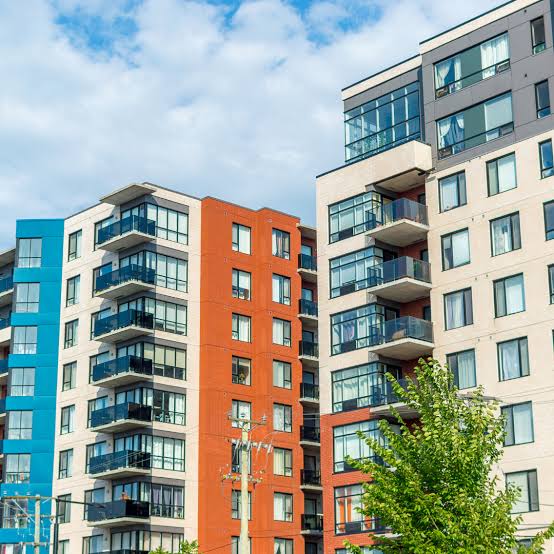


On June 25, 2026, the New York City Rent Guidelines Board (RGB) delivered a decision that has sent shockwaves through the local real estate community: a 0% rent increase for both one-year and two-year renewal leases starting October 1, 2026. For property owners in Crown Heights, where operating costs for insurance, labor, and utilities continue to climb at a rate far exceeding inflation, this "freeze" represents a significant challenge to financial stability.
The industry response was swift. On July 22, 2026, landlord groups officially filed an Article 78 lawsuit to challenge the RGB’s decision, arguing that the freeze is arbitrary and fails to account for the actual economic data regarding building expenses. While the court's decision on this lawsuit may take months or years to finalize, landlords must act now to protect their Net Operating Income (NOI).
In a capped revenue environment, the path to profitability shifts from top-line growth to bottom-line efficiency. Here are seven practical, law-compliant strategies to protect your portfolio's NOI in Crown Heights and surrounding areas like Prospect Heights and Prospect Lefferts.
The 0% increase applies to roughly one million rent-stabilized units across the city. For a typical 30-unit building in Crown Heights, a 0% renewal rate means that while taxes and insurance premiums might rise by 5% to 10% this year, the gross potential income remains stagnant. This disparity creates a "margin squeeze" that can lead to deferred maintenance if not managed proactively.
Owners providing Property Management Services in Crown Heights are currently navigating a regulatory landscape that demands more precision than ever before. Without the ability to raise rents via the RGB, landlords must look to state-sanctioned pathways and operational improvements to maintain their assets.
The most direct way to increase the legal regulated rent of a stabilized unit in 2026 is through the Individual Apartment Improvement (IAI) program. Under the 2024-2025 updates, the IAI system now features two tiers.
Tier 2 IAIs allow for a spending cap of up to $50,000 over a 15-year period: a significant increase from the previous $15,000 limit. To qualify for Tier 2 in 2026, a unit must have either been vacant and properly registered with DHCR in 2022, 2023, and 2024, or the prior tenant must have occupied the apartment for at least 25 years.
For a building with 35 or fewer units, a Tier 2 IAI uses a 1/144th amortization rate. This means a $50,000 renovation results in a permanent monthly rent increase of approximately $347. Unlike the pre-2024 rules, these increases no longer sunset after 30 years; they stay in the rent roll permanently, significantly boosting long-term asset value.

While Individual Apartment Improvements (IAIs) target specific units, Major Capital Improvements (MCIs) address the entire building. If your Crown Heights property needs a new boiler, roof, or elevator, the MCI program remains a viable pathway to recover costs.
Approved MCI increases are currently capped at 2% of the tenant’s current rent per year. While these increases are temporary (expiring after 30 years), they provide a critical hedge against rising capital expenditure costs.
In New York City, a single HPD or DOB violation can lead to thousands of dollars in fines, not to mention the cost of emergency repairs. Proactive maintenance services are often cheaper than reactive ones.
For example, a failed boiler inspection in the dead of winter doesn't just result in a "Heat and Hot Water" violation; it may require emergency plumbing rates and potential tenant lawsuits. By implementing a rigorous local law compliance schedule: including regular inspections for lead paint (Local Law 1), gas piping (Local Law 152), and facade safety: landlords can avoid the "compliance leaks" that drain NOI.
When revenue is frozen, every dollar saved on expenses is a dollar added to the bottom line. Individual landlords often pay "retail" rates for landscaping, hallway cleaning, and trash removal.
Professional Property Management Services in Prospect Lefferts and Crown Heights leverage economies of scale. By pooling multiple buildings under a single management umbrella, owners can negotiate lower rates for:
Even a 5% reduction in these fixed costs can significantly offset the lack of a rent increase for the 2026-2027 cycle.

Utility costs are one of the few variable expenses that a landlord can directly influence. With the looming deadlines of Local Law 97, energy efficiency is no longer just a "green" initiative: it is a financial necessity.
Simple upgrades like LED lighting in common areas, low-flow aerators, and smart thermostats in vacant units can yield immediate reductions in water and electric bills. For larger buildings, installing building management systems (BMS) to monitor heat distribution can prevent the "over-heating" common in older Crown Heights brownstones, where tenants open windows in January because the radiator is too hot. Lowering your fuel consumption by just 10% can be the difference between a profitable year and an operating loss.
A rent freeze makes every vacancy more costly. If a unit sits empty for two months in a 0% growth market, you have effectively lost 16% of that unit's annual income with no way to recoup it through a lease renewal increase.
Effective Property Management Services in Prospect Heights focus on minimizing "turnover time." This involves:
Furthermore, keeping good tenants through high-quality service reduces turnover costs (broker fees, painting, and deep cleaning), which can easily exceed $3,000 per turnover.
The complexities of the July 2026 rent freeze and the evolving Article 78 lawsuit require more than just "collecting checks." Managing a rent-stabilized building in 2026 requires a deep understanding of DHCR filings, bookkeeping, and regulatory compliance.
Professional managers like Landlord Management (LLM) provide the administrative infrastructure to ensure that every IAI is filed correctly, every rent registration is submitted on time, and every MCI application is optimized for approval. In a market where the rules are constantly changing, the cost of a mistake: such as an overcharge complaint or a missed filing: far outweighs the cost of professional management.

While the Article 78 lawsuit filed on July 22, 2026, offers hope for a judicial correction to the 0% rent freeze, landlords cannot afford to wait for the courts. The 2026-2027 fiscal year will reward owners who are disciplined with their expenses and aggressive with their legal improvement pathways.
If you are concerned about how the rent freeze will impact your portfolio in Crown Heights, Prospect Lefferts, or Prospect Heights, now is the time to audit your operations.
Consider these three immediate actions:
Managing through a freeze isn't about cutting corners: it's about sharpening your strategy. At Landlord Management, we specialize in helping owners maximize efficiency and compliance in the face of NYC’s most challenging regulations.




The regulatory landscape for New York City property owners has shifted significantly following the July 2026 release of Assembly Member Zohran Mamdani’s "Rental Ripoff" reform package. This 23-point legislative and administrative overhaul marks one of the most aggressive shifts in housing enforcement in recent decades, specifically targeting what the administration calls "low-road" management practices. For owners of rent-stabilized and multi-family assets in high-density neighborhoods like Ridgewood, East New York, and Bushwick, these reforms are not merely theoretical; they represent a fundamental change in how HPD and the DOB will monitor building health and owner compliance moving forward.
As a leading property management company in Bushwick, Landlord Management (LLM) has analyzed these reforms to help our clients navigate the coming enforcement wave. This post breaks down the technical specifics of the 2026 reforms and what they mean for your bottom line.
The "Rental Ripoff" reforms are a collection of policy changes initiated after a series of citywide hearings that gathered over 1,600 tenant testimonies regarding building conditions and landlord-tenant disputes. The core objective of the July 2026 report is to modernize and militarize (in a regulatory sense) the city's ability to track and penalize non-compliance.
Key pillars of the reform include:
The density of rent-stabilized housing in Ridgewood and East New York makes these areas primary targets for the new "Fix the City" initiative. This initiative focuses on comprehensive investigations of large housing portfolios and buildings with high concentrations of long-standing violations.
In neighborhoods like Ridgewood, many buildings are older, multi-family walk-ups (this includes the classic six-unit and ten-unit brick structures common in the area). These buildings are naturally more susceptible to "Immediately Hazardous" Class C violations, such as lead paint, heat outages, and pests. Under the new reforms, the city is moving toward annual, recurring penalties for any DOB or HPD violations that remain open past their cure date. For a property management Queens NY firm like ours, the focus has shifted from reactive repairs to proactive compliance audits to avoid these compounding fines.

Starting with the 2026-2027 heating season, the city has eliminated much of the leeway previously afforded to owners regarding heat complaints. Under the Mamdani reforms, the "false self-certification" crackdown is now in full effect.
If an owner claims a repair has been made but a follow-up inspection (which is now mandatory for high-violation buildings) finds the issue persists, the penalties are tiered:
For those seeking property management in East New York, it is critical to ensure that every repair is documented with time-stamped photos and signed tenant affidavits. This documentation is your only defense against the new "presumption of non-compliance" that inspectors are now using.
Perhaps the most significant financial change is the expansion of the Department of Buildings (DOB) lien authority. The July 2026 reforms support legislation that allows the city to place liens on properties for all categories of violations once unpaid penalties reach $25,000 or more.
In previous years, liens were often reserved for only the most severe structural or safety issues. Now, a collection of smaller, unaddressed administrative and Class B violations can aggregate into a lien-triggering event. For a landlord in Bushwick or East New York, a lien on the property can:
(Note: The $25,000 threshold can be reached surprisingly quickly if a building has a "repeat-offender" status, which triples the per-day fine rate for certain hazardous conditions).

As part of the broader Mamdani-led shift, the Rent Guidelines Board (RGB) approved a citywide rent freeze for one- and two-year leases on rent-stabilized apartments, effective for leases starting on or after October 1, 2026.
This freeze, combined with the rising costs of the new enforcement protocols, puts a significant squeeze on property owners. In neighborhoods like Ridgewood and East New York, where stabilized units represent a high percentage of the housing stock, owners must find efficiency elsewhere. This is where professional multifamily property management becomes an investment rather than an expense. Reducing "junk fees" is also a priority of the reform; the city is now auditing leases for undisclosed charges, meaning owners must be more transparent about utility billing and service fees than ever before.
The 2026 reforms include a framework for the formal recognition of tenant unions. This means that if a majority of tenants in your building organize, they have a legal standing to negotiate collectively over building conditions.
For landlords, this changes the dynamic of Housing Court cases. Instead of individual "non-payment" proceedings, owners may face "group actions" where tenants collectively withhold rent until specific repairs are made across the entire building. This is particularly prevalent in the gentrifying borders of Bushwick and Ridgewood, where tenant organizing is historically strong. LLM’s approach to property management in Ridgewood Queens focuses on maintaining high standards of communication with tenant groups to prevent these escalations before they reach the legal system.
If you own a portfolio of three or more buildings in Brooklyn or Queens, you may be at risk for a "comprehensive investigation" under the "Fix the City" initiative. The city is currently selecting at least 10 large housing portfolios for deep-dive audits of every single unit.
To prepare, we recommend the following next steps:

The Mamdani "Rental Ripoff" reforms are designed to make it more expensive and difficult for landlords to operate without professional oversight. By shifting to a "guilty until proven compliant" enforcement model, the city has raised the stakes for every property owner in Ridgewood, East New York, and Bushwick.
At Landlord Management (LLM), we specialize in protecting owners from these operational risks. Our proactive, detail-driven approach ensures that your buildings aren't just compliant, but optimized for long-term asset value in a changing regulatory environment. Whether you need expert property management in East New York or a property management company in Bushwick, we are here to handle the compliance burden so you can focus on your investment.
Ready to protect your portfolio? Contact Landlord Management today for a comprehensive compliance review.
Managing a multi-family property in East New York in 2026 requires more than just collecting rent and answering occasional calls. With the Department of Housing Preservation and Development (HPD) tightening its oversight, the risk of a building being selected for the Alternative Enforcement Program (AEP) is higher than ever for owners who take a reactive approach.
The AEP is not just another administrative hurdle; it is a rigorous, high-pressure enforcement cycle for "distressed" buildings. Once your property is on the list, you face mandatory inspections, strict repair deadlines, and the potential for the city to perform emergency repairs at your expense: often at triple the market rate.
At Landlord Management (LLM), we specialize in keeping properties compliant and owners out of the headlines. If you are worried about your building’s status, here are 10 reasons your current HPD strategy might be failing and how to pivot toward a more proactive model of property management in East New York.
(Before we dive into the failures, it is important to understand the math.) For 2026, HPD typically selects around 250 buildings citywide for the AEP. The selection is based on a specific ratio of open Class B (hazardous) and Class C (immediately hazardous) violations per unit over the last five years, combined with high Emergency Repair Program (ERP) charges. For a building with 15 or more units, having just 3 open B or C violations per unit and over $2,500 in ERP charges can land you on the list.
The most common reason for AEP selection is a backlog of uncorrected Class B and Class C violations. These aren't just "suggestions" from the city; they are legally mandated repairs with strict timelines. Class C violations (like lead paint or lack of heat) often require correction within 24 hours.
If your strategy is to wait for the next inspection to "see what they find," you are already behind. Proactive multifamily property management involves tracking the HPD portal weekly to ensure no violation goes unanswered.
Many owners in East New York are surprised to find thousands of dollars in Emergency Repair Program (ERP) charges attached to their property tax bill. These charges occur when HPD sends its own contractors to fix a "C" violation that the owner failed to address.
Even if you eventually fix the issue, the charge remains on your record. High ERP totals are a primary "ranking" factor that HPD uses to decide which buildings get pulled into the AEP. Ignoring these bills doesn't make them go away; it makes your building a target for enhanced enforcement.

Failure to file your HPD Property Registration every year is a "technical" violation that has massive consequences. Without a valid registration on file, you cannot:
In East New York, where tenant turnover or ownership changes can lead to paperwork gaps, keeping this registration current is the foundation of any compliance strategy. (You can read more about this in our guide to HPD registration).
A common mistake is treating 311 complaints as "tenant noise" rather than data points. HPD tracks the frequency of complaints. If a building in East New York shows a pattern of recurring complaints for the same issue: such as a specific leak or a broken front door: it signals to the city that the management is unresponsive. This "heat map" of complaints often precedes an actual inspection that leads to AEP-level violations.
Correcting a violation is only half the battle. For issues involving mold, lead-based paint, or asbestos, HPD requires specific "Safe Work Practices" and the filing of detailed affidavits from certified contractors.
If you fix a mold issue but fail to submit the proper Affidavit of Compliance (with the required third-party lab results or certified worker credentials), HPD will not clear the violation. Poor record-keeping leads to "open" violations that should have been closed months ago.
In 2026, the "Heat Season" (October 1st through May 31st) is more strictly enforced than ever. A single verified heat or hot water violation is a Class C (immediately hazardous) offense.
Buildings that repeatedly fail to provide essential services are the first ones added to the AEP list. A winning strategy requires preventive maintenance on boilers before the first cold snap in October, not reacting to a "No Heat" call at 3:00 AM in January.

When an HPD inspector arrives, the way your staff handles the visit matters. Unresponsive management: missing scheduled inspections or failing to provide access to common areas: often results in "Access Denied" violations. These can escalate into a "Litigation" status with HPD’s Housing Litigation Division (HLD), which often works hand-in-hand with the AEP team to target uncooperative owners.
While HPD is the primary driver of AEP, they look at the overall health of the building. Expired annual boiler inspections or elevator certifications from the Department of Buildings (DOB) are red flags. They suggest a general lack of residential property management oversight. Keeping these technical certifications up to date is a prerequisite for showing HPD that your building is "well-maintained."
If you are waiting for a paper notice in the mail to know you have a violation, your strategy is already broken. By the time the mail arrives, the correction period for a Class C violation may have already passed.
Proactive managers use digital dashboards to monitor the HPD Building, Registration & Violation (BRV) system daily. This allows for "Same Day Response" to new issues, preventing the city from escalating the matter.
Many owners ignore Class A (non-hazardous) violations, like a missing apartment number or a small crack in the plaster. However, a high volume of Class A violations can trigger a more comprehensive "full building inspection."
When an inspector walks through a building to check one minor issue and sees a dozens of other small problems, they are legally obligated to write them up. This "snowball effect" can turn a clean record into an AEP-eligible one in a single afternoon.

Staying off the AEP list isn't about luck; it’s about a disciplined, data-driven approach to building management. At Landlord Management, our "Compliance First" philosophy includes:
East New York is a neighborhood with incredible potential, but the regulatory environment is unforgiving. Don't wait until you receive an AEP notice to fix your management strategy.
Ready to secure your property's future? Contact Landlord Management today for a comprehensive compliance audit of your East New York property.
For property owners in New York City, compliance isn't just about paperwork: it’s about preserving the safety and financial viability of your assets. As we move further into FISP Cycle 10 (running from February 21, 2025, to February 21, 2029), the stakes have never been higher for buildings in neighborhoods like DUMBO and Brooklyn Heights.
The Façade Inspection & Safety Program (FISP), formerly known as Local Law 11, requires owners of buildings taller than six stories to have their exterior walls and appurtenances inspected by a professional every five years. While this may sound like a routine maintenance task, the transition into Cycle 10 introduces new nuances and stricter enforcement that can catch even seasoned landlords off guard.
If you are looking for a Property Management Company in DUMBO, understanding these common pitfalls is the first step toward a successful filing and a violation-free building.
FISP Cycle 10 is the current mandatory window for façade inspections in New York City. Unlike previous cycles, the Department of Buildings (DOB) has refined the sub-cycle windows and the requirements for those performing the inspections. In a neighborhood like DUMBO, characterized by historic industrial conversions and high-end residential lofts, the complexity of these inspections often increases due to architectural detailing and landmark restrictions.
Here are the 7 most common mistakes property owners make with FISP Cycle 10 and how to avoid them.
One of the most frequent errors we see is an owner missing their assigned sub-cycle. The DOB divides all covered buildings into three sub-cycles (10A, 10B, and 10C) based on the last digit of the building’s tax block number.
Wait until the wrong year to start, and you are already facing late filing fees of $1,000 per month. Even worse, if you miss the window entirely, the "No Report Filed" penalty is a staggering $5,000 per year.
(Note: Always verify your block number on the NYC tax map; don't rely on memory or old correspondence.)

In NYC, you can’t just hire any engineer or architect for a FISP inspection. You must hire a Qualified Exterior Wall Inspector (QEWI). A QEWI is a licensed professional who has at least seven years of relevant experience specifically with NYC exterior wall inspections.
In a competitive market like Brooklyn, the best QEWIs are often booked months or even a year in advance. If you wait until your sub-cycle window has already opened to start your search, you may find yourself paying a premium for a rushed report: or failing to find a qualified professional who can meet your deadline.
Professional Property Management Services in Brooklyn Heights include early procurement. At LLM, we maintain relationships with top-tier QEWIs to ensure our clients are never left scrambling at the last minute.
DUMBO is famous for its cobblestone streets and historic industrial architecture. Many buildings here fall within the DUMBO Historic District. This means that if your FISP inspection reveals that repairs are needed, you cannot simply start work.
Any alteration or repair to a landmarked façade requires approval from the Landmarks Preservation Commission (LPC). This is a separate regulatory track from the DOB.
Failing to plan for this "dual-track" regulatory process can delay your repairs by months, leading to fines for "Unsafe" conditions that haven't been corrected within the mandatory 90-day window.
At the end of an inspection, your building will be classified in one of three ways:
A common mistake is ignoring SWARMP items because they aren't "urgent." However, any SWARMP item that is not repaired by the time the next cycle begins is automatically upgraded to Unsafe. This leads to mandatory sidewalk sheds and significantly higher compliance costs.
(Aside: Budgeting for SWARMP repairs now is almost always cheaper than dealing with emergency "Unsafe" repairs and scaffolding rentals later.)

The DOB has cracked down on "visual-only" inspections. For Cycle 10, the rules require a hands-on inspection (typically via a scaffold drop or industrial rope access) at intervals of not more than 60 feet on all walls that face a public right-of-way.
If your QEWI only looks at the building with binoculars from the street or a neighboring roof, your report will likely be rejected. A rejected report is treated as if no report was filed at all, leading to the same heavy penalties mentioned earlier.
When hiring a Property Management Company in DUMBO, ensure they are verifying that the inspector is actually performing these "close-up" examinations of parapets, balconies, and fire escapes.
The timing of your filing is just as important as the content. Once the QEWI performs the "critical examination," they have a 60-day window to file the report with the DOB.
Furthermore, the report cannot be filed more than one year after the last hands-on inspection was completed.
If your team is slow to review the draft report or if there is a delay in the owner signing the required documents, you could miss these internal deadlines. This necessitates a re-inspection, which costs more money and wastes valuable time.
If your building is classified as "Unsafe," you must immediately install public protection (usually a sidewalk shed) and begin repairs.
In DUMBO’s high-traffic areas, a sidewalk shed isn't just an eyesore: it can impact ground-floor retail tenants and resident satisfaction. Managing these repairs efficiently requires a proactive property manager who can coordinate contractors, engineers, and the DOB simultaneously.

At Landlord Management (LLM), we specialize in the unique challenges of New York City property compliance. For FISP Cycle 10, we act as the central coordinator between the owner, the QEWI, the LPC, and the contractors.
Our proactive approach includes:
Whether you are managing a condo, a co-op, or a rent-stabilized building, having a partner who understands the ground-level reality of NYC building operations is essential.

FISP Cycle 10 is more than a safety requirement; it is a critical part of your building’s lifecycle management. By avoiding these 7 common mistakes: from miscalculating filing windows to ignoring the impact of the Landmarks Preservation Commission: you can protect your property from unnecessary fines and structural deterioration.
If you’re concerned about your building’s status for the 2025–2029 cycle, now is the time to act. Contact Landlord Management today to discuss our comprehensive Property Management Services in Brooklyn Heights and across NYC.
Navigating the landscape of New York City real estate requires more than just finding reliable tenants or keeping up with physical repairs. For owners of multi-family buildings in neighborhoods like Bushwick, compliance is a year-round job that demands precision. One of the most critical administrative tasks on the calendar is the annual registration with the Department of Housing Preservation and Development (HPD).
As we approach the 2026 registration cycle, the stakes remain high. Failure to comply doesn't just result in a small fee; it can freeze your ability to manage your property effectively, leave you vulnerable to significant fines, and even block your access to the court system for rent collection. At Landlord Management (LLM), we believe that foundational knowledge is the first step toward protecting your asset.
The HPD Annual Registration is a mandatory process where property owners provide the City of New York with up-to-date contact information for themselves and their managing agents. This isn't just a bureaucratic formality; it’s a matter of public safety and regulatory oversight. HPD uses this database to contact owners for emergency repairs, issue housing code violations, and ensure that every residential building has a person of record who can be held accountable for its condition.
In New York City, and specifically for a Property Management Company in Bushwick, registration is required for:
It is important to note that registration is not a one-time event. Even if your building's information hasn't changed since last year, you must re-confirm that data and pay the annual fee to remain "validly registered."
For the 2026 cycle, the timeline follows a strict schedule that owners must adhere to if they wish to avoid penalties. The Department of Finance (DOF) typically bills the registration fee as part of the property tax statement of account due on July 1.
Key dates to remember for 2026:
(Keep in mind that "completing" the registration involves more than just clicking buttons online. HPD requires a physical signature, which means the form must be printed and mailed back to their offices in Manhattan.)

Bushwick has seen a massive transformation over the last decade, transitioning from industrial roots to one of the most sought-after residential hubs in Brooklyn. With this growth comes increased scrutiny from city regulators. Maintaining a valid HPD registration is the "skeleton key" that unlocks several essential functions for a landlord.
If a building is not registered by the September 1st deadline, the owner is subject to civil penalties. These fines typically range from $250 to $500. While $500 might seem manageable for a single property, these costs compound if you own a portfolio of buildings. For a landlord with five buildings in Bushwick, missing the deadline could result in $2,500 in unnecessary losses: the equivalent of several months of maintenance reserves.
Perhaps the most severe consequence of failing to register is the impact on your legal rights. In New York City, a landlord cannot initiate a "non-payment" proceeding in Housing Court to recover rent unless the building is validly registered with HPD. If a tenant stops paying rent and your registration has lapsed, your legal case may be dismissed or delayed until you can prove the building is compliant.
If HPD issues a housing code violation for your property: such as a leaky pipe or a broken heater: you must "certify" that the repair has been made. However, you cannot certify the correction of any violation if the building is not registered. This leads to a backlog of open violations, which can negatively impact your building's "score," affect your ability to refinance your mortgage, and lower the eventual sale price of the property.
Even experienced landlords often find themselves in hot water due to minor clerical errors. HPD is precise; any discrepancy between the form and reality can lead to a rejected registration.
Common mistakes include:

At Landlord Management, we treat HPD registration as a core component of our residential property management services. We don't wait for the September deadline to loom over our clients; we begin the process as soon as the PROS portal opens in May.
Consider the difference in scale. A single-property owner with 30 units in a Bushwick walk-up might try to handle registration themselves. However, if they miss one update regarding a change in the building’s super or emergency contact, they risk the entire registration being voided.
Now, imagine a property owner with 300 units spread across ten buildings. The administrative burden of tracking ten separate DOF bills, ten signature sets, and ten lead-paint certifications is immense. LLM centralizes this. We use a proactive tracking system to ensure that every property in our care is registered by June or July, months before the city’s deadline.
When we take over management for a Bushwick landlord, we execute a high-detail audit:

If you are an owner in Bushwick, now is the time to review your current registration status. You can check your building's standing on the HPD website. If your registration is set to expire in 2026, or if you have had a change in ownership or management recently, you must act.
Managing a building in New York City is increasingly complex. From Local Law 97 to annual HPD filings, the administrative "paperwork" is now a significant risk factor for your investment. Working with a dedicated Property Management Company in Bushwick like Landlord Management (LLM) ensures that these details are handled with professional care, allowing you to focus on your long-term asset value while we handle the day-to-day compliance.
To learn more about how we can streamline your building operations, explore our full range of landlord services or contact us today to prepare for the 2026 registration cycle.