NYC Building Compliance for Landlords (HPD & DOB)
NYC Building Compliance: HPD, DOB, Local Laws
Navigating the complexities of building compliance in New York City can be daunting for landlords. With various regulations enforced by the Department of Housing Preservation and Development (HPD) and the Department of Buildings (DOB), understanding these requirements is crucial for maintaining property value and ensuring tenant safety. This article will delve into the intricacies of HPD violations, DOB compliance requirements, and local laws that govern landlord responsibilities. By addressing common challenges and providing actionable solutions, landlords can better manage their properties and avoid costly violations. We will explore key topics, including the types of HPD violations, the necessary inspections and permits from the DOB, and the local laws that impact compliance. Additionally, we will discuss how the NYC Housing Maintenance Code protects tenants and guides landlords in their responsibilities.
What Are HPD Violations and How Do They Affect NYC Landlords?
HPD violations are infractions related to the maintenance and safety of residential buildings in New York City. These violations can arise from various issues, including failure to provide essential services, inadequate maintenance, or non-compliance with housing regulations. The consequences of HPD violations can be severe, leading to fines, legal action, and even loss of rental income. Understanding these violations is essential for landlords to protect their investments and ensure tenant satisfaction.
Which Common HPD Violations Should Landlords Know?
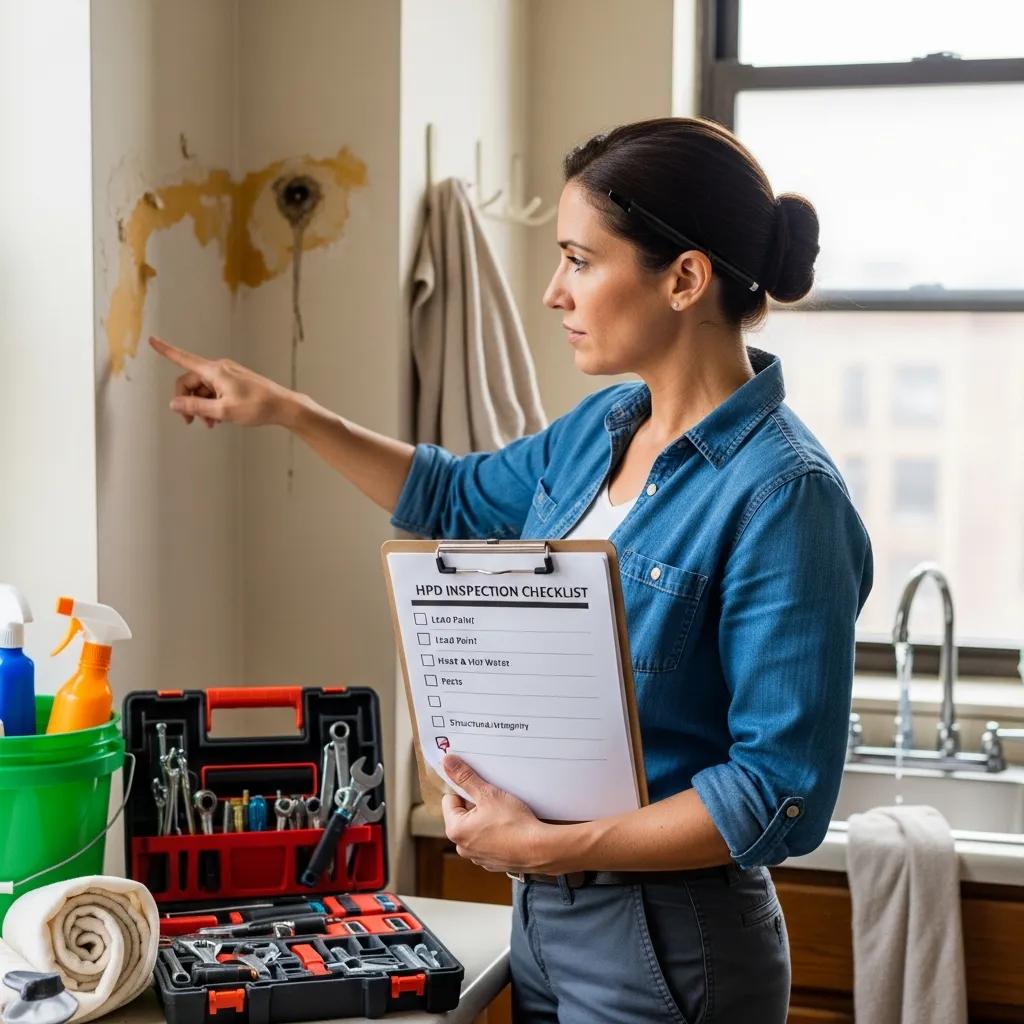
Landlords should be aware of several common HPD violations that can impact their properties:
- Class B and C Violations: These are serious infractions that can lead to significant penalties. Class B violations typically involve non-life-threatening issues, while Class C violations pose immediate risks to tenant safety.
- Failure to Maintain Required Temperatures: Landlords are required to provide adequate heating during the winter months. Failing to do so can result in violations and fines.
- Lead Paint Compliance: Properties built before 1978 must comply with lead paint regulations to protect tenants, especially children, from lead poisoning.
Being proactive in addressing these issues can help landlords avoid costly penalties and maintain a good relationship with their tenants.
How Can Landlords Resolve HPD Violations Effectively?
To resolve HPD violations effectively, landlords should take the following steps:
- Prompt Response to Tenant Complaints: Addressing tenant concerns quickly can prevent violations from escalating.
- Regular Inspections: Conducting routine inspections can help identify potential issues before they become violations.
- Professional Management: Engaging property management services can provide expertise in navigating compliance issues and resolving violations efficiently.
By implementing these strategies, landlords can mitigate the risks associated with HPD violations and ensure their properties remain compliant.
What Are DOB Building Compliance Requirements for NYC Property Owners?
DOB compliance requirements are essential for ensuring that buildings meet safety and structural standards. These regulations cover various aspects, including construction, renovation, and maintenance of properties. Non-compliance can lead to significant fines and operational disruptions, making it crucial for landlords to understand their obligations.
What Inspections and Permits Does DOB Require?
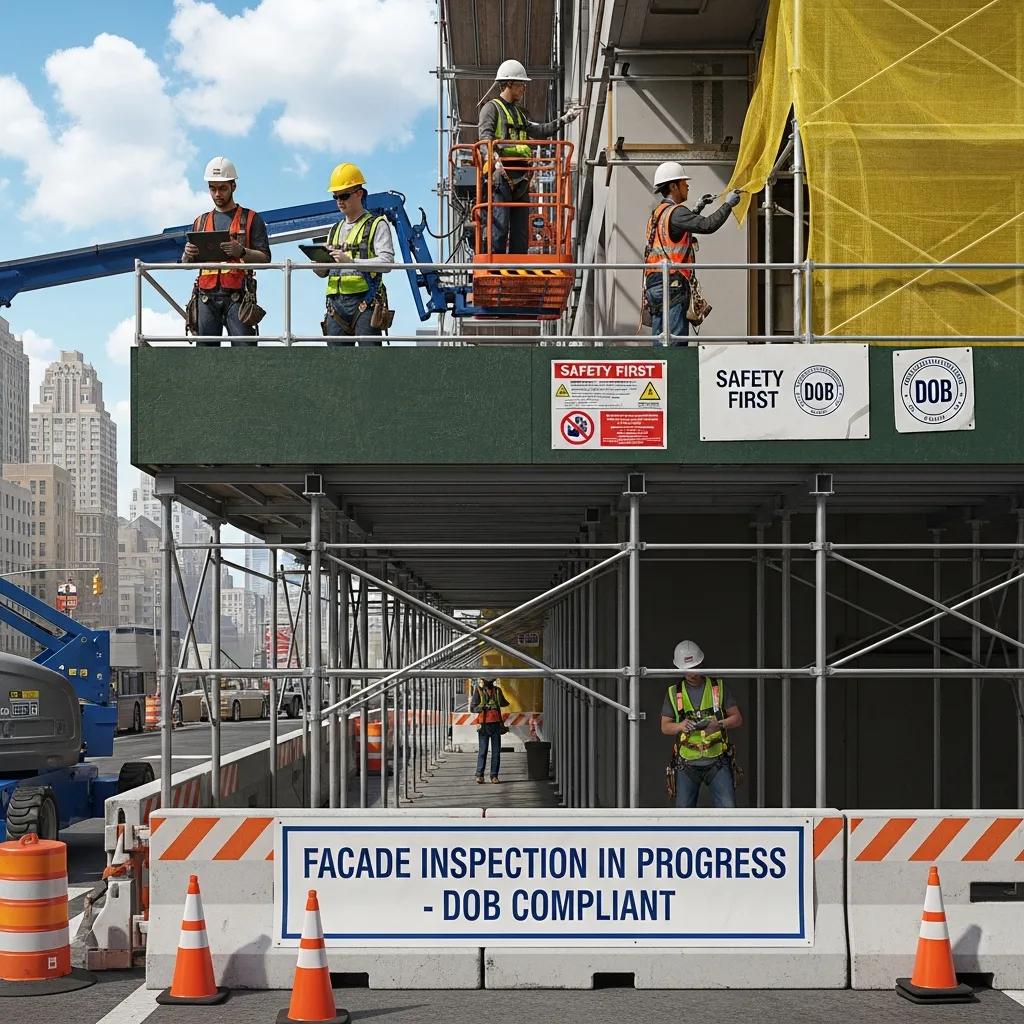
The DOB mandates several inspections and permits to ensure compliance with building codes:
- Facade Inspections: Required every five years for buildings over six stories to ensure structural integrity.
- Cooling Tower Inspections: Annual inspections are necessary to prevent health hazards associated with Legionnaires’ disease.
- Gas Line Inspections: Regular checks are mandated to ensure the safety of gas installations in residential buildings.
These inspections are vital for maintaining compliance and ensuring tenant safety.
How Do DOB Violations Impact Landlords and Property Management?
DOB violations can have significant financial and operational impacts on landlords:
- Financial Penalties: Violations can result in hefty fines that can strain a landlord’s finances.
- Impact on Property Value: Ongoing violations can decrease property value and deter potential tenants.
- Increased Responsibilities: Landlords may face additional responsibilities to rectify violations, which can be time-consuming and costly.
Understanding these impacts can help landlords prioritize compliance and avoid potential pitfalls.
Which Local Laws Govern NYC Landlord Compliance and What Are Their Key Requirements?
Local laws play a crucial role in shaping landlord compliance in New York City. These regulations are designed to protect tenants and ensure safe living conditions. Familiarity with these laws is essential for landlords to avoid violations and maintain compliance.
What Are the Main Local Laws Affecting NYC Landlords?
Several local laws significantly impact landlords, including:
- Local Law 11: Requires periodic facade inspections to ensure building safety.
- Local Law 18: Governs short-term rentals, imposing specific requirements on landlords.
- Local Law 97: Aims to reduce carbon emissions from buildings, requiring compliance with energy efficiency standards.
Further details on Local Law 97 highlight the significant penalties building owners face for failing to meet carbon emission limits.
NYC Local Law 97: Carbon Emission Compliance & Penalties
owners whose buildings fail to comply with carbon emissions limits stipulated by the city. While the law admirably aims to minimize New York’s carbon footprint, its present burden is
Emission Impossible: Challenging the Imposition of New York City’s Local Law 97, 2024
These laws are critical for maintaining compliance and ensuring tenant safety.
How Do These Local Laws Influence Building Maintenance and Safety?
Local laws influence building maintenance and safety in several ways:
- Inspection Requirements: Many local laws mandate regular inspections, ensuring that properties are maintained to a high standard.
- Safety Standards: Compliance with local laws helps establish safety standards that protect tenants from hazards.
- Tenant Protections: Local laws often include provisions that protect tenants’ rights, ensuring they have safe and habitable living conditions.
Understanding these influences can help landlords navigate compliance effectively.
How Does the NYC Housing Maintenance Code Protect Tenants and Guide Landlords?
The NYC Housing Maintenance Code outlines the responsibilities of landlords regarding property maintenance and tenant rights. This code is designed to ensure that tenants live in safe and habitable conditions while providing clear guidelines for landlords.
What Are Landlord Responsibilities Under the Housing Maintenance Code?
Landlords have several key responsibilities under the Housing Maintenance Code:
- Compliance with Building Codes: Landlords must ensure their properties meet all relevant building codes and safety standards.
- Providing Essential Services: This includes maintaining heating, hot water, and other essential services for tenants.
- Addressing Maintenance Issues: Landlords are required to respond promptly to maintenance requests and resolve issues in a timely manner.
By adhering to these responsibilities, landlords can foster positive relationships with their tenants and avoid potential violations.
How Can Tenants Verify Rental Property Compliance?
Tenants can take several steps to verify rental property compliance:
- Review Lease Agreements: Tenants should carefully review their lease agreements for compliance clauses.
- Check Local Regulations: Familiarizing themselves with local regulations can help tenants understand their rights.
- Request Documentation: Tenants can request documentation from landlords to verify compliance with safety and maintenance standards.
These steps empower tenants to ensure their living conditions meet legal requirements.
What Property Management Services Support NYC Landlords in Maintaining Compliance?
Property management services play a vital role in helping landlords navigate the complexities of compliance with HPD and DOB regulations. These services can provide valuable support in maintaining properties and ensuring adherence to local laws.
How Do Property Managers Assist with HPD and DOB Violations?
Property managers offer several key services to assist landlords:
- Monitoring Compliance: They keep track of compliance deadlines and ensure that properties meet all regulatory requirements.
- Responding to Violations: Property managers can handle communication with regulatory agencies and respond to violations on behalf of landlords.
- Coordinating Repairs: They can coordinate necessary repairs to address violations promptly, minimizing potential penalties.
By leveraging property management services, landlords can effectively manage compliance and focus on their core business.
What Tools and Checklists Help Track Compliance Deadlines?
Several tools and checklists can assist landlords in tracking compliance deadlines:
- Compliance Calendars: These tools help landlords keep track of important inspection and reporting dates.
- Documentation Checklists: Checklists ensure that all necessary documentation is in order for inspections and compliance reviews.
- Ongoing Monitoring Systems: Implementing monitoring systems can help landlords stay informed about changes in regulations and compliance requirements.
Utilizing these tools can streamline compliance management and reduce the risk of violations.