


What Is Local Law 97? A Complete Guide for NYC Building Owners
Local Law 97 is a pivotal piece of legislation aimed at reducing greenhouse gas emissions from buildings in New York City. As building owners grapple with the implications of this law, understanding its requirements and deadlines becomes crucial. This comprehensive guide will delve into the specifics of Local Law 97, including compliance requirements, penalties for non-compliance, and strategies for “energy audits” and retrofitting. Building owners will learn how this law not only impacts their properties but also affects tenants and the broader rental market. By the end of this article, readers will have a clear understanding of Local Law 97 and the necessary steps to ensure compliance.
Overview of Local Law 97 and its goals
Enacted as part of the Climate Mobilization Act, aims to significantly reduce carbon emissions from large buildings in New York City through energy compliance consulting. The law sets ambitious emissions limits for buildings over 25,000 square feet, with the goal of achieving a 40% reduction in emissions by 2030 and an 85% reduction by 2050. This legislation is crucial for combating climate change and promoting sustainability within the urban environment. Building owners must recognize the importance of these goals, as compliance not only contributes to environmental preservation but also enhances the value and marketability of their properties.
Compliance requirements and deadlines

Building owners must adhere to the specific compliance requirements outlined. These include:
- Emissions Limits: Buildings must meet designated emissions limits based on their occupancy type and square footage.
- Annual Reporting: Owners are required to submit annual emissions reports to the city, detailing their compliance status.
- Energy Audits: Regular energy audits must be conducted to identify areas for improvement in energy efficiency.
The deadlines for compliance are critical. The first compliance period begins in 2024, with subsequent reporting required annually. Failure to comply with these requirements can result in significant penalties.
For property owners seeking assistance, “property management services” can provide valuable support in navigating these compliance requirements. These services often include energy audits, reporting assistance, and strategies for retrofitting buildings to meet emissions standards.
Penalties and fines explained
Non-compliance with Local Law 97 can lead to substantial penalties. The fines are calculated based on the amount by which a building exceeds its emissions limit. The penalties are structured as follows:
| Penalty Type | Calculation Method | Example |
|---|---|---|
| Exceeding emissions limit | $268 per ton of CO2 over the limit | A building exceeding its limit by 10 tons would incur a fine of $2,680. |
| Failure to submit reports | $500 per month for late submissions | A building that submits its report three months late would face a $1,500 fine. |
| Energy audit non-compliance | $1,000 for failing to conduct required audits | A building that skips its mandated energy audit incurs a $1,000 penalty. |
These penalties underscore the importance of timely compliance and proactive management of building emissions.
Local Law 97: Energy Audit and Retrofit Strategies
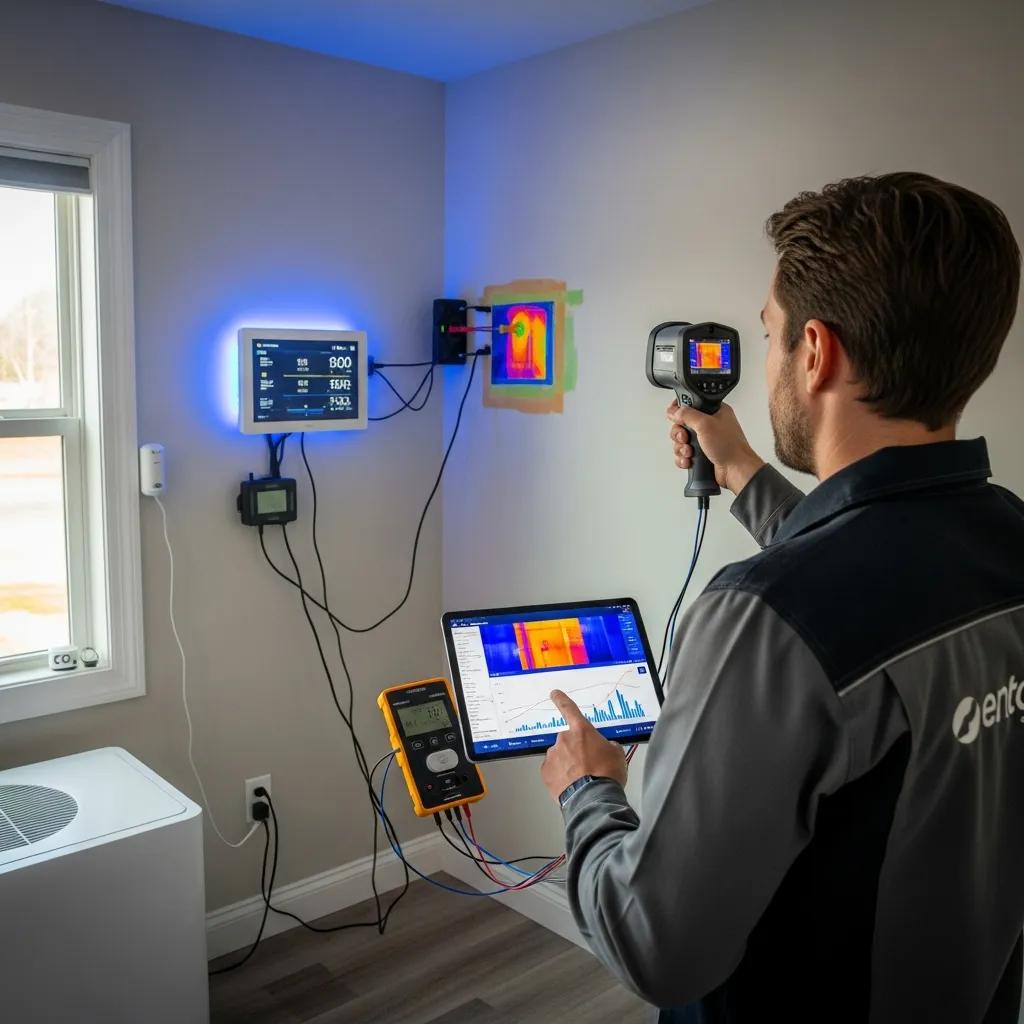
Conducting energy audits and implementing retrofit strategies are essential for compliance. Energy audits help identify inefficiencies and areas for improvement, while retrofitting can significantly reduce emissions.
The necessity of comprehensive energy efficiency retrofits for existing buildings to meet long-term emission reduction targets is a well-established principle.
Building Retrofit Policies for Energy Savings & Emission Reduction
In order to achieve long-term targets for energy savings and emission reductions, substantial savings will be needed from existing buildings. For example, a recent analysis for the USA examines aggressive strategies to cut carbon emissions in half by 2040 and finds that in order to achieve this emission reduction target, more than half of existing buildings will need comprehensive energy efficiency retrofits. In the USA, the focus has been on a combination of rating and disclosure of energy use, financing, and technical assistance.
Policy strategies for achieving large long-term savings from retrofitting existing buildings, C Sebi, 2015
Key strategies include:
- Upgrading HVAC Systems: Modernizing heating, ventilation, and air conditioning systems can lead to substantial energy savings.
- Improving Insulation: Enhancing insulation in walls and roofs reduces energy consumption and improves overall building efficiency.
- Installing Energy-Efficient Lighting: Transitioning to LED lighting can lower energy use and costs.
Building owners should consider engaging with “energy audit services” to ensure they are taking the right steps toward compliance. These services can provide tailored recommendations based on the specific needs of each building.
Local Law 97: Impact on Tenants and Rental Market
Significant implications for tenants and the rental market in New York City. As building owners invest in compliance measures, these costs may be passed on to tenants in the form of higher rents. However, improved energy efficiency can also lead to lower utility bills, benefiting tenants in the long run.
Moreover, compliance with Local Law 97 can enhance the overall quality of rental properties, making them more attractive to prospective tenants. Buildings that meet or exceed emissions standards are likely to see increased demand, as environmentally conscious renters seek sustainable living options.
Local Law 97: Property Management Services for Compliance
Property management services play a crucial role in helping building owners navigate the complexities. These services typically include:
- Compliance Assistance: Helping owners understand and meet the requirements of Local Law 97.
- Energy Audits: Conducting thorough assessments to identify energy-saving opportunities.
- Retrofitting Support: Providing guidance on implementing energy-efficient upgrades.
Choosing the right “property management service” can significantly ease the burden of compliance and ensure that building owners are well-prepared to meet the law’s requirements.
Case Studies and Recent Updates (2026) in Local Law 97
As of 2026, several case studies highlight successful compliance with Local Law 97. Many building owners have reported significant reductions in emissions through strategic investments in energy efficiency. Recent updates indicate that the city is ramping up enforcement efforts, with increased inspections and penalties for non-compliance.
These developments emphasize the importance of staying informed and its evolving requirements. Building owners must remain proactive in their compliance efforts to avoid penalties and contribute to New York City’s sustainability goals.
Stay compliant and protect your NYC building from fines with expert guidance from Landlord Management. We help property owners navigate energy efficiency requirements, manage audits, and implement solutions to meet regulations. Contact us today! Let Landlord Management simplify compliance and keep your property up to code.