

If you're serving on a Ridgewood condo board right now, you know the feeling. It's 11 PM on a Tuesday, your phone buzzes with another emergency maintenance text, and you're simultaneously trying to decipher a 47-page compliance memo from the city. You volunteered to serve your community, not become a full-time property manager and legal expert.
You're not alone. Across Ridgewood, Queens, condo boards are making a significant shift in 2026, moving away from self-management and bringing in professional property management companies. The reason isn't just burnout (though that's definitely part of it). The compliance landscape in New York City has become so complex that volunteer boards simply can't keep up without serious risk.
What's Changed That's Making Self-Management Nearly Impossible?
The regulatory environment for New York City properties has evolved dramatically over the past few years. What worked for condo boards in 2020 or even 2023 simply doesn't cut it anymore. Here's what Ridgewood condo boards are dealing with in 2026:
Local Law 97 Carbon Emissions Fines: Starting this year, buildings over 25,000 square feet face substantial fines for exceeding carbon emission limits. We're talking penalties that can easily reach six figures annually. Most mid-sized condo buildings in Ridgewood fall into this category, and calculating compliance requires technical expertise that goes well beyond typical board member knowledge.
Local Law 152 Gas Inspection Requirements: The December 31, 2025 deadline has passed, but enforcement is now active. Buildings must have licensed plumbers inspect all gas piping systems and file detailed reports. Miss this requirement? You're looking at fines starting at $10,000. Self-managed boards who weren't tracking this deadline are now scrambling to get compliant.

Enhanced Transparency Requirements: New regulations require more detailed financial reporting and disclosures to unit owners. This means proper bookkeeping systems, regular audits, and documentation that meets specific city standards. One spreadsheet maintained by a well-meaning treasurer doesn't cut it anymore.
Ongoing Building Safety Inspections: Local Law 11 (facade inspections), elevator inspections, fire safety compliance, the list of mandatory inspections keeps growing. Each has specific filing deadlines and technical requirements.
For volunteer board members who have full-time jobs and families, staying on top of all these requirements while managing day-to-day building operations has become genuinely unsustainable.
Why Are Volunteer Boards Burning Out?
The reality of modern condo board service in Ridgewood has shifted from occasional meetings and basic oversight to what amounts to a part-time (or sometimes full-time) unpaid job. Here's what board members are actually dealing with:
After-Hours Emergencies: Water leaks, heating failures, security issues, these don't happen during business hours. Board members find themselves fielding emergency calls at all hours, coordinating with contractors they may or may not trust, and making quick decisions under pressure.
Legal Liability Concerns: When compliance issues arise, board members can face personal liability. That's not a theoretical risk, it's a real concern that keeps volunteer board members up at night. Professional property management in Ridgewood Queens provides a liability buffer that self-managed boards simply don't have.
Financial Management Complexity: Between collecting monthly maintenance fees, managing reserves, planning capital improvements, and staying within budget, the financial responsibilities have become genuinely complex. One accounting error can create cascading problems.

Vendor Management Headaches: Finding reliable contractors, getting competitive bids, supervising work, and handling disputes takes significant time. Self-managed boards often end up paying more because they lack the vendor relationships and negotiating leverage that professional management companies maintain.
Neighbor Conflicts: When you're a board member living in the building you manage, every decision becomes personal. Dispute about noise complaints? Assessment for building repairs? You're running into these neighbors in the lobby the next day.
The Hidden Costs of Self-Management That Nobody Talks About
Most Ridgewood condo boards choose self-management thinking they're saving money by avoiding management fees. The math seems simple, why pay someone else when volunteers can handle it for free?
But this calculation misses several significant hidden costs:
Overpaying for Services: Professional property management companies in Queens maintain relationships with contractors and suppliers across hundreds of buildings. This buying power translates to 15-30% savings on everything from elevator maintenance to roof repairs. A self-managed board calling individual contractors lacks this negotiating leverage.
Compliance Penalties: A single missed deadline for Local Law 152 gas inspections costs $10,000 in fines. Local Law 97 violations can run into six figures annually. Professional management companies have dedicated compliance tracking systems and legal teams specifically to avoid these penalties.
Deferred Maintenance: Volunteer boards, overwhelmed with immediate issues, often defer needed maintenance. This creates more expensive problems down the line. A small roof leak ignored for six months becomes a $50,000 repair project.
Increased Insurance Premiums: Buildings with poor maintenance histories and compliance issues face higher insurance costs. Professional management documentation and maintenance records help keep premiums lower.
Board Member Turnover Costs: When burned-out board members resign, institutional knowledge walks out the door. The learning curve for new volunteers creates gaps in oversight and decision-making continuity.
How Professional Management Actually Saves Money
Let's address the elephant in the room: yes, professional property management in Ridgewood Queens costs money. Management fees typically run between 8-12% of collected revenue for buildings under 50 units, with rates decreasing for larger buildings.
But here's what you're actually getting for that investment:
Purchasing Power: Professional management companies negotiate volume discounts on everything from cleaning supplies to major capital improvements. A management company overseeing 50 buildings gets significantly better pricing than a single condo board calling around for quotes.
Compliance Expertise: Dedicated staff who track every local law, filing deadline, and inspection requirement. They know when Local Law 11 facade inspections are due, when elevator certificates expire, and how to navigate DHCR filings. This prevents costly penalties and keeps your building legally protected.
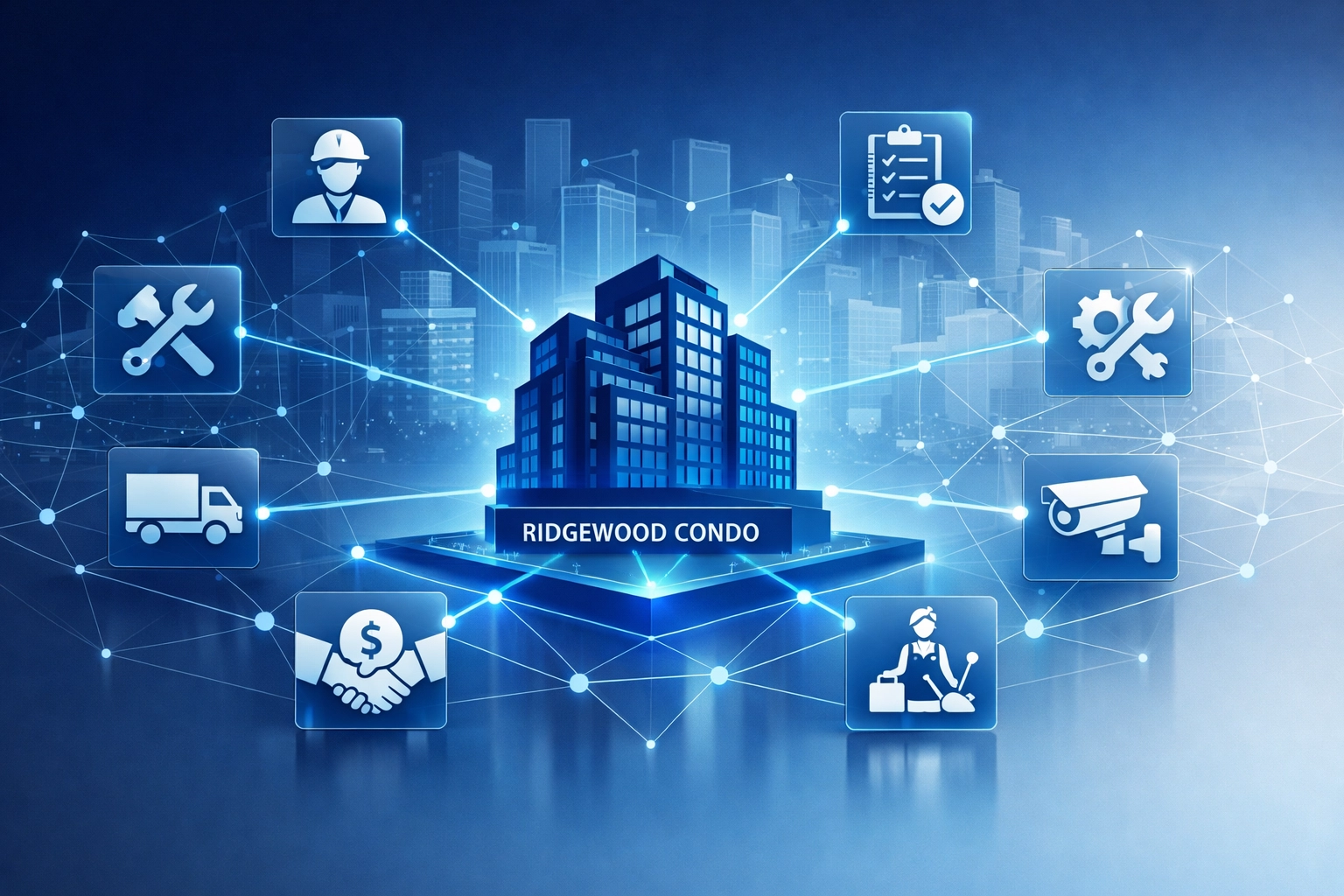
Vendor Network: Established relationships with licensed, insured contractors who respond promptly and charge competitive rates. No more weekend hours spent researching plumbers or getting emergency repair quotes during a crisis.
24/7 Professional Response: When a pipe bursts at 3 AM, building residents call a professional management company's emergency line: not a volunteer board member's personal cell phone. The management company dispatches a contractor from their network and handles the situation according to established protocols.
Financial Systems: Professional bookkeeping, monthly financial statements, budget planning, and reserve fund management. Everything documented and audit-ready.
Legal Protection: When disputes arise: whether with unit owners, contractors, or regulatory agencies: professional management provides documentation, follows established procedures, and has legal resources readily available.
What Should Ridgewood Condo Boards Look for in a Management Company?
Not all property management companies are created equal. If your Ridgewood condo board is considering making the switch from self-management, here's what to prioritize:
Local Queens Expertise: Property Management Queens NY requires specific knowledge of local regulations, contractor networks, and neighborhood characteristics. A company managing buildings across all five boroughs may not have the focused Ridgewood expertise you need.
Transparent Pricing: Management fees should be clearly explained, with no hidden charges or surprise bills. Ask for a detailed breakdown of what's included in the management fee versus what incurs additional costs.
Technology Platforms: Modern property management uses digital tools for maintenance requests, financial reporting, document storage, and communication. Board members should have online access to real-time building information.
Compliance Track Record: Ask specifically about their system for tracking local law requirements. How do they ensure nothing falls through the cracks? What's their record on avoiding compliance penalties?
References from Similar Buildings: Talk to other Ridgewood condo boards working with the management company. What's their experience been? How responsive is the company to issues?
Clear Communication Protocols: Understand exactly how emergency situations are handled, how board members are kept informed, and what level of involvement the board maintains in decisions.
Making the Transition from Self-Management to Professional Management
If your board has decided to make the switch, here's what the transition typically looks like:
Document Everything: Compile all building documents: financial records, vendor contracts, maintenance histories, unit owner information, governing documents, and compliance certificates. Professional management companies need this foundation to take over effectively.
Interview Multiple Companies: Don't go with the first management company you meet. Interview at least three firms, ask detailed questions, and compare proposals carefully.
Review Contracts Thoroughly: Management agreements should clearly specify services provided, fees, termination clauses, and responsibilities. Have an attorney review before signing.
Communicate with Unit Owners: Explain to residents why you're making this change and what they can expect. Address concerns about costs and reassure them about service quality.
Plan for Overlap: Allow for a transition period where outgoing board members work alongside new management to transfer knowledge and relationships.
Set Clear Expectations: Establish performance metrics and regular review processes. Professional management should make your board's life easier, not create new frustrations.
The shift away from self-management isn't a failure of volunteer boards: it's a recognition that professional building management has become too complex and risky for volunteers to handle alone. Landlord Management (LLM) understands the specific challenges facing Ridgewood condo boards and provides the expertise, systems, and buying power that transform building management from a constant source of stress into a well-run operation.
Your condo board volunteered to serve your community, not to become unpaid property managers navigating an increasingly complex regulatory maze. Professional Ridgewood condo management lets you focus on strategic decisions and community building while experts handle the daily operations, compliance requirements, and vendor relationships that actually keep your building running smoothly.