

Local Law 152 NYC: Complete Gas Inspection Guide for Building Owners (2026)
Local Law 152 is one of the most important gas safety regulations affecting property owners in New York City. If you own a multi-family building, mixed-use property, or commercial property with gas piping, compliance is not optional — and penalties can be severe.
This guide breaks down everything NYC landlords, co-op boards, and property owners need to know about Local Law 152, including inspection requirements, deadlines, penalties, and how to stay compliant.
What Is Local Law 152?
Local Law 152 was passed by the New York City Council in 2016 as part of a broader gas safety initiative aimed at preventing gas leaks, explosions, and hazardous building conditions.
The law requires periodic inspections of gas piping systems in most NYC buildings to ensure they are safe and properly maintained.
Although Local Law 152 officially went into effect on January 1, 2019, inspections began in 2020 after the NYC Department of Buildings (DOB) finalized the rules and procedures.
Why Local Law 152 Matters for NYC Property Owners
Gas-related incidents in New York City have led to:
Explosions
Fires
Structural damage
Fatalities
Local Law 152 was created to reduce these risks by requiring routine inspections of gas piping systems, particularly in aging buildings across boroughs like Queens, Brooklyn, and the Bronx.
For landlords and property managers, this law is not just about compliance — it’s about:
Protecting tenants
Avoiding liability
Maintaining building value
Preventing costly emergency repairs
Who Must Comply with Local Law 152?
Most NYC building owners are required to comply.
✔ Covered Buildings:
Multi-family residential buildings
Mixed-use properties
Commercial buildings with gas piping systems
❌ Exempt Buildings:
1- and 2-family homes (Occupancy Group R-3)
👉 In total, over 280,000 buildings in NYC are affected
Local Law 152 Inspection Requirements
Under Local Law 152, buildings must undergo gas piping inspections every four (4) years.
Key Requirements:
Inspection must be performed by a Licensed Master Plumber (LMP)
Inspection must follow DOB guidelines
Results must be submitted to the NYC Department of Buildings
What Does the Inspection Include?
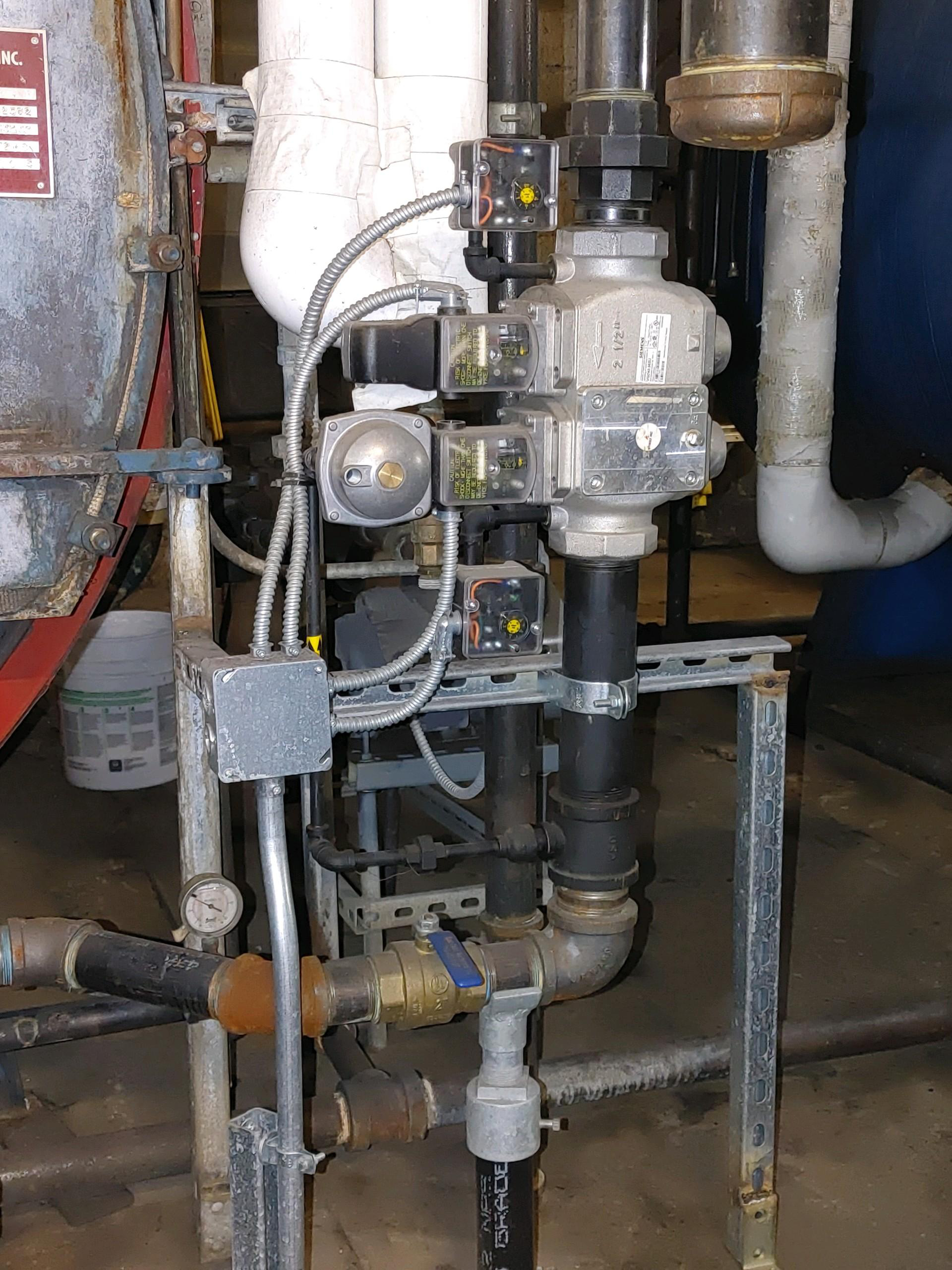


The inspection focuses on exposed gas piping systems throughout the building.
Areas Covered:
Gas piping from entry point into building
Gas meters
Public hallways and corridors
Boiler rooms and mechanical rooms
Not Included:
Gas piping inside individual apartments
Inspection Cycle Deadlines (Critical)
NYC buildings are divided into inspection cycles based on community districts.
Each building must be inspected within its assigned calendar year.
👉 Missing your cycle = automatic penalties
Required Forms: GPS1 & GPS2 Explained
GPS1 – Inspection Report
Provided by the Licensed Master Plumber
Delivered within 30 days after inspection
Details findings and conditions
GPS2 – Inspection Certification
Filed with NYC DOB within 60 days
Confirms inspection completion
What Happens If Issues Are Found?
If your inspection reveals unsafe or non-compliant conditions:
You MUST:
Correct issues according to NYC Construction Codes
Obtain permits if required
Deadlines:
120 days to correct standard conditions
180 days if additional time is approved
After corrections:
A Licensed Master Plumber must re-certify compliance
Local Law 152 Penalties (Avoid This)
Failure to comply can result in serious fines:
🚨 Common Violations:
Failure to file GPS2 form
Missing inspection deadline
Failure to correct unsafe conditions
💰 Penalty:
Up to $10,000 per violation
👉 For NYC landlords, this is one of the most avoidable — yet commonly issued — fines.
Record Keeping Requirements
Building owners must retain:
Inspection reports (GPS1)
Certifications (GPS2)
Correction documentation
👉 Required retention period: 10 years
Common Mistakes NYC Landlords Make
Many property owners run into issues because they:
Wait until the last minute to schedule inspections
Hire unqualified contractors
Forget to file paperwork with DOB
Assume small buildings are exempt
Ignore minor gas issues
👉 Even small compliance mistakes can lead to major penalties.
How Property Managers Help with Local Law 152 Compliance



A professional NYC property management company can:
Schedule inspections on time
Coordinate with Licensed Master Plumbers
Handle DOB filings (GPS1 & GPS2)
Track deadlines and inspection cycles
Ensure violations are resolved quickly
This is especially important for landlords managing multiple properties across Queens, Brooklyn, or Manhattan.
Local Law 152 and NYC Real Estate Strategy
Compliance with Local Law 152 is more than just avoiding fines — it plays a role in:
Property value preservation
Insurance eligibility
Tenant safety and retention
Smooth building operations
For co-op boards and condo associations, compliance is also critical for avoiding legal exposure.
Final Thoughts: Stay Ahead of Local Law 152
Local Law 152 is now a permanent part of NYC property ownership.
If you own a qualifying building, you must:
Schedule inspections every 4 years
Work with a Licensed Master Plumber
File required documents on time
Fix any unsafe conditions quickly
Need Help with Local Law 152 Compliance in NYC?
If you’re unsure about your building’s inspection cycle or compliance status, working with an experienced NYC property management company can save you time, money, and risk.
From scheduling inspections to handling DOB filings, professional management ensures your property stays fully compliant — and avoids costly penalties.