Finding the right property management services in North Brooklyn can significantly impact the success of your rental investments. Local property managers offer specialized knowledge of the area, ensuring that landlords can navigate the complexities of real estate management effectively. This article will explore the various services provided by property management companies, how to select the best property manager, and the importance of tenant placement and maintenance coordination. By understanding these aspects, landlords can make informed decisions that enhance their rental experience and profitability.
Written by the Landlord Management NY Team — licensed property managers with 10+ years of experience serving Brooklyn landlords across Williamsburg, Park Slope, Bushwick, Crown Heights, DUMBO, and Bay Ridge.
According to the U.S. Census Bureau’s American Community Survey, Brooklyn (Kings County) is home to more than 900,000 occupied housing units, with renters comprising roughly 70% of all households — one of the highest renter concentrations of any county in the United States. The NYC Housing Preservation & Development (HPD) reports that average professional property management fees in New York City typically range from 8% to 12% of monthly rent collected, reflecting the complexity of managing properties under New York’s robust tenant-protection laws. This high density of rental units combined with stringent regulations makes expert property management an essential service for Brooklyn landlords.
Indeed, a comprehensive understanding of residential property management is crucial for maximizing rental success and minimizing landlord stress.
Essentials of Residential Property Management
Vaughn, D.A. (2025). Understanding Residential Property Management. In: Essentials of Residential Property Management. Springer Texts in Business and Economics. Springer, Cham. https://doi.org/10.1007/978-3-031-92329-6_1
Understanding Residential Property Management, 2025
Property management companies in North Brooklyn provide a range of essential services designed to support landlords and enhance tenant satisfaction. These services typically include:
For landlords seeking comprehensive support, partnering with a local property management company can streamline operations and improve tenant relations. Landlord Management, located at 895 Fulton Street, Suite 2, Brooklyn, New York, offers tailored services to meet the unique needs of property owners in the area.
Selecting the right property manager is crucial for maximizing your rental income and minimizing stress. Here are key criteria to consider when evaluating potential property management companies:
By focusing on these criteria, landlords can find a property manager who aligns with their goals and enhances their rental experience. Landlord Management emphasizes transparency and local expertise, making them a strong candidate for property management in North Brooklyn.
Tenant placement services are a critical component of property management, ensuring that landlords find reliable tenants quickly. In North Brooklyn, property management companies offer various services, including:
These services not only save landlords time but also help minimize vacancy periods, ultimately leading to increased rental income.
Property managers play a vital role in ensuring that properties are well-maintained and compliant with local laws. They typically handle:
By managing these aspects, property managers help landlords maintain their properties’ value and ensure a smooth rental experience.
Localized property management services are essential for landlords in Brooklyn for several reasons:
The strategic advantages of local presence and deep community understanding are well-documented in business literature, reinforcing why localized property management is so valuable.
Local Milieu & Spatial Proximity in Business
The advantages of being in the right type of local milieu in general and the benefits of spatial proximity between actors involved in business interaction have recently been
The Competitiveness of Firms and Regions: ‘Ubiquitification’and the
Importance of Localized Learning, P Maskell, 1999
These benefits highlight the importance of choosing a property management company that understands the unique challenges and opportunities within the Brooklyn rental market.
Each neighborhood in North Brooklyn presents unique challenges and opportunities for property management:
Brooklyn landlords face a variety of challenges that make professional property management indispensable. The NYC Housing Stability and Tenant Protection Act of 2019 introduced sweeping changes that limit rent increases, extend tenant protections, and complicate eviction processes. Landlords must file annual HPD registrations to maintain compliance and respond promptly to 311 complaints, which can trigger inspections and fines if unresolved.
Managing rent-stabilized units requires regular filings with the Division of Housing and Community Renewal (DHCR), including rent registration and lease renewal documentation. Additionally, landlords often deal with tenants using Section 8 or Housing Choice Vouchers, which involve additional paperwork and compliance with federal housing standards.
Eviction proceedings in NYC Housing Court are complex and time-consuming, requiring strict adherence to procedural rules and tenant protections. Property managers with legal expertise help landlords navigate these processes efficiently, reducing the risk of costly delays or legal challenges.
For landlords seeking reliable property management services in Brooklyn, several options are available. Here are some key points to consider:
For personalized support, Landlord Management can be contacted at +1 (718) 536-2642 or via email at Support@landlordmanagementllc.com. Their team is dedicated to helping landlords navigate the complexities of property management in North Brooklyn.
Written by the Landlord Management NY Team — licensed property managers with 10+ years of experience serving Manhattan landlords across Midtown, Upper East Side, Harlem, Washington Heights, Hell’s Kitchen, Tribeca, and Chelsea.

Property management in Manhattan encompasses a wide range of services designed to support both landlords and tenants in navigating the complexities of the real estate market. This article will delve into essential landlord services, effective tenant screening processes, and the intricacies of rent collection methods. Readers will gain insights into how property management can enhance the rental experience, ensuring compliance with local regulations while maximizing property value. As the Manhattan rental market evolves, understanding these dynamics is crucial for both parties involved. We will explore key responsibilities of condo and co-op boards, tenant rights, and current market trends that impact property management strategies.
Landlord services in Manhattan are vital for ensuring smooth property operations and tenant satisfaction. Essential services include:
These services are crucial for landlords to manage their properties effectively and maintain tenant satisfaction. By leveraging professional property management services, landlords can focus on their investments while ensuring their properties are well-maintained and compliant with regulations.
Manhattan’s diverse neighborhoods each present unique property management challenges and opportunities. Understanding these local nuances is essential for effective landlord and tenant services.
Midtown Manhattan is characterized by a mix of high-rise luxury apartments, commercial buildings, and transient tenant populations. Property management here requires a focus on high-end amenities, security, and accommodating short-term corporate leases. Managing tenant expectations around concierge services and maintaining building prestige are key challenges.
The Upper East Side features a blend of historic brownstones, luxury condos, and co-op buildings. Tenant demographics often include affluent families and professionals. Property managers must navigate strict co-op board regulations, maintain classic building features, and provide attentive maintenance to preserve property values.
Harlem’s rental market includes a mix of pre-war buildings and new developments, with a diverse tenant base. Property management here involves balancing affordability with modernization efforts, addressing community engagement, and ensuring compliance with rent stabilization laws prevalent in the area.
Washington Heights offers a variety of rental properties, including walk-ups and mid-rise buildings, often serving working-class families and immigrants. Property managers focus on maintaining affordable housing standards, managing building upkeep, and navigating local housing regulations to support long-term tenants.
Hell’s Kitchen is known for its vibrant nightlife and a mix of older walk-ups and new luxury developments. Property management challenges include noise complaints, tenant turnover, and maintaining building security. Managers must balance the needs of diverse tenants, from young professionals to long-term residents.
Tribeca is a high-demand neighborhood with luxury lofts and historic buildings converted into upscale residences. Property management here emphasizes high-end finishes, personalized tenant services, and strict compliance with landmark preservation rules. Tenant screening is rigorous to maintain exclusivity.
Chelsea combines artistic communities with luxury condos and rental buildings. Property managers must address a wide range of tenant expectations, from creative professionals to affluent residents, while managing building amenities and ensuring compliance with evolving zoning and housing laws.

Tenant screening is a critical process that helps landlords select qualified tenants, thereby minimizing risks associated with rental properties. The benefits of thorough tenant screening include:
By implementing effective tenant screening practices, landlords can protect their investments and create a stable rental environment.
Further emphasizing the importance of rigorous tenant screening, specific criteria are often applied in New York City to ensure compliance and select suitable renters.
NYC Tenant Screening & Fair Housing Compliance
For example, in New York City, it is common for rental listings to require applicants to have an income of at least 40 times the monthly rent, a screening process that adhered to Fair Housing guidance, and a credit score of 700 or higher. Enforcement is important to ensuring that property managers and landlords comply with these regulations.
Creating More Inclusive Tenant Screening Practices: Emerging Practices for Tenant Screening in Rental Properties, K Fallon, 2024

Effective rent collection methods are essential for maintaining cash flow and ensuring the financial health of rental properties. Various methods can be employed, including:
| Method | Description | Benefits |
|---|---|---|
| Online Payment Portal | Secure platform for digital payments | Convenience for tenants, faster processing |
| Payment Applications | Mobile apps for rent payments | Accessibility and ease of use |
| Direct Deposit | Automatic bank transfers | Ensures timely payments, reduces late fees |
These methods not only enhance the efficiency of rent collection but also improve tenant satisfaction by offering flexible payment options.
Condo and co-op board management in Manhattan involves a structured approach to governance and operational oversight. Effective management practices include:
Condo boards in NYC have several key responsibilities that ensure the smooth operation of the building and the satisfaction of its residents. These responsibilities include:
These responsibilities are vital for maintaining property value and ensuring a positive living experience for all residents.
Co-op boards play a crucial role in managing property operations effectively. Key strategies include:
By employing these strategies, co-op boards can effectively manage their properties and foster a positive community atmosphere.
Rental property services are designed to support tenants throughout their leasing experience. Key services include:
These services are essential for creating a positive rental experience and ensuring tenant retention.
Finding suitable rental properties in Manhattan can be a daunting task. Here are some strategies tenants can employ:
By following these steps, tenants can streamline their search and find a rental property that meets their needs.
Understanding tenant rights and lease agreement essentials is crucial for anyone renting in NYC. Key rights include:
Understanding these rights helps tenants navigate their rental agreements and advocate for their needs.
Coordinating property maintenance and emergency services is essential for tenant satisfaction and safety. Key aspects include:
Effective coordination of these services enhances tenant satisfaction and protects property value.
Critical maintenance services for Manhattan properties include:
These services are vital for maintaining the integrity of rental properties and ensuring tenant satisfaction.
Managing emergency repairs effectively is crucial for tenant safety and satisfaction. Key components include:
By implementing these strategies, property managers can address emergencies promptly and maintain tenant trust.
Manhattan has approximately 80% renter households — one of the highest rates in the country — with a median rent exceeding $3,500 per month, according to NYC HPD data. This high concentration of renters combined with elevated rental prices makes professional property management not just helpful, but essential for protecting landlord income in a high-stakes rental market. Effective management ensures timely rent collection, compliance with complex regulations, and tenant retention, all critical to maintaining profitability in Manhattan’s competitive environment.
Landlords in NYC face a unique set of regulatory challenges that require expert navigation to avoid costly penalties and legal complications. Key pain points include:
By leveraging Landlord Management NY’s expertise, landlords can confidently navigate NYC’s complex regulatory landscape, minimize risk, and maintain profitable rental operations.
The Manhattan rental market is influenced by several current trends that impact property management strategies. Key trends include:
Understanding these trends is essential for property managers to adapt their strategies and meet the evolving needs of the market.
NYC housing regulations play a significant role in shaping the relationship between landlords and tenants. Key impacts include:
Awareness of these regulations is crucial for both parties to navigate the rental landscape effectively.
Understanding pricing models and cost factors for property management is essential for landlords. Key considerations include:
By understanding these pricing models, landlords can make informed decisions about property management services.
Written by the Landlord Management NY Team — licensed property managers with 10+ years of experience serving Queens landlords across Astoria, Flushing, Jamaica, Long Island City, Forest Hills, Jackson Heights, and Bayside.

Property management in Queens encompasses a wide range of services designed to support landlords and tenants alike. As the real estate market continues to evolve, understanding the essential services available can significantly enhance the rental experience. This article delves into the various landlord services offered in Queens, the importance of tenant screening, and the responsibilities of landlords in New York City. Additionally, we will explore specialized management for condo and co-op boards, maintenance best practices, and the financial aspects of property management. By the end, readers will gain a comprehensive understanding of property management in Queens and how it benefits both landlords and tenants.
Landlord services in Queens are crucial for ensuring smooth property management and tenant satisfaction. These services typically include tenant placement and screening, rent collection and owner reporting, and maintenance coordination. Each of these services plays a vital role in the overall management of rental properties, helping landlords maintain their investments while providing tenants with a comfortable living environment.
| Service | Description | Benefits |
|---|---|---|
| Tenant Placement & Screening | Involves finding suitable tenants and conducting background checks. | Reduces vacancy rates and ensures reliable tenants. |
| Rent Collection & Owner Reporting | Manages the collection of rent and provides financial reports to landlords. | Streamlines income management and enhances financial transparency. |
| Maintenance Coordination | Organizes repairs and regular maintenance for properties. | Ensures properties remain in good condition and tenants are satisfied. |
These essential services not only help landlords manage their properties effectively but also enhance the overall rental experience for tenants.

Tenant screening is a critical process that helps landlords identify reliable tenants and mitigate risks associated with renting properties. This process typically involves checking potential tenants’ credit history, rental history, and background information. By thoroughly vetting applicants, landlords can identify red flags that may indicate potential issues, such as a history of late payments or evictions.
Effective tenant screening builds trust between landlords and tenants, fostering a positive rental relationship. It also contributes to the overall security of the property, as reliable tenants are less likely to cause damage or disrupt the community.
Landlords in New York City have several key responsibilities that ensure compliance with local codes and the well-being of their tenants. These responsibilities include:
By fulfilling these responsibilities, landlords can create a stable and secure rental experience for their tenants.
Managing condo and co-op boards in Queens requires specialized knowledge of local regulations and community dynamics. Board management involves overseeing the daily operations of the building, ensuring compliance with housing laws, and facilitating communication among residents.
Local expertise is crucial for navigating the unique challenges that arise in condo and co-op environments, such as managing shared spaces and addressing community concerns. Additionally, regulatory compliance is essential to avoid legal issues and maintain the integrity of the community.
Property managers play a vital role in supporting condo boards by offering a range of services tailored to their specific needs. These services typically include:
These services help condo boards operate efficiently and enhance the overall living experience for residents.
Co-op boards can significantly benefit from the expertise of local property management companies. These professionals bring valuable knowledge of local laws and regulations, ensuring that the co-op remains compliant and avoids potential legal issues.
Additionally, local property managers can provide cost-effective solutions tailored to the specific needs of the co-op, enhancing operational efficiency. Their familiarity with the community also fosters better tenant relations, as they can address concerns and facilitate communication effectively.
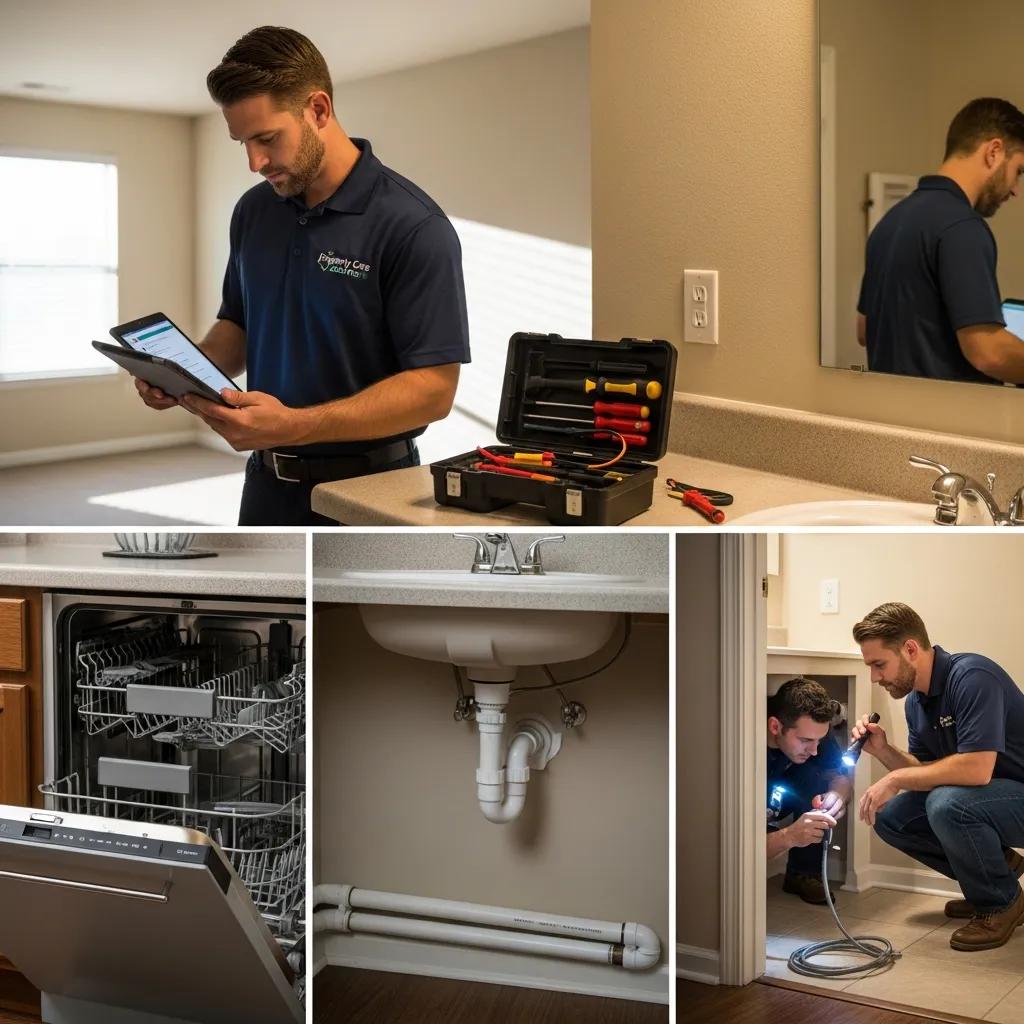
Maintaining rental properties in Queens requires adherence to best practices that ensure longevity and tenant satisfaction. Key practices include:
By implementing these best practices, landlords can protect their investments and foster positive relationships with tenants.
Emergency maintenance coordination is essential for addressing urgent issues that may arise in rental properties. A well-structured emergency response plan typically includes:
This proactive approach to emergency maintenance helps minimize damage and maintain tenant satisfaction.
Routine maintenance services are critical for ensuring the longevity of rental properties. Key services include:
By prioritizing routine maintenance, landlords can extend the lifespan of their properties and improve tenant satisfaction.
Rent collection and financial reporting are vital components of property management in Queens. The process typically involves:
These practices ensure that landlords have a clear understanding of their financial situation and can make informed decisions regarding their properties.
Digital rent collection portals offer several advantages for both landlords and tenants, including:
These benefits contribute to a more efficient rental process and improve the overall experience for both parties.
Financial reports for landlords and boards can be customized to meet specific needs and preferences. Key elements of these reports typically include:
Customized financial reporting enhances transparency and helps landlords make informed decisions about their properties.
Legal compliance and lease management are essential aspects of property management in Queens. Critical services include:
By prioritizing legal compliance, landlords can protect their investments and maintain positive relationships with tenants.
Property managers play a crucial role in ensuring adherence to NYC landlord-tenant laws. They typically achieve this by:
This commitment to legal compliance fosters a fair and transparent rental environment.
Lease agreements in Queens must include several key elements to ensure clarity and compliance. These elements typically consist of:
By including these elements, landlords can create clear and enforceable lease agreements that protect their interests.
Tenants can greatly benefit from professional placement and support services offered by property management companies. These benefits include:
These advantages contribute to a more satisfying rental experience for tenants.
The tenant application and screening process is essential for ensuring that landlords find suitable tenants. This process typically involves:
By implementing a comprehensive screening process, landlords can select reliable tenants and reduce potential risks.
Property managers enhance tenant communication and support through various strategies, including:
These efforts contribute to tenant satisfaction and foster a sense of community within rental properties.
Queens is a borough of remarkable diversity, not only culturally but also in its housing stock and tenant demographics. Each neighborhood presents unique property management challenges and opportunities that require tailored approaches.
Astoria is known for its vibrant arts scene and diverse population, with a mix of single-family homes, walk-up apartments, and newer developments. Property managers here must navigate a tenant base that includes young professionals, families, and immigrants, often requiring multilingual communication and culturally sensitive management practices. Maintenance coordination often involves older buildings with historic features, demanding specialized care.
Flushing is a bustling commercial and residential hub with a large Asian-American community. The housing stock includes many multi-family homes and mid-rise apartment buildings. Property managers in Flushing must be adept at managing rent-stabilized units and addressing the needs of multi-generational families. Language accessibility and community engagement are critical for successful tenant relations.
Jamaica features a mix of single-family homes, co-ops, and public housing. The neighborhood’s diverse population includes Caribbean and African-American communities. Property management here often involves navigating complex rent regulations and working closely with local housing authorities. Security and maintenance are key concerns due to the urban environment.
LIC is characterized by luxury high-rises and new developments attracting young professionals and affluent tenants. Property managers must focus on high-end amenities, concierge services, and strict compliance with building codes. Tenant expectations for prompt maintenance and digital communication are high, requiring advanced management systems.
Forest Hills offers a suburban feel with pre-war co-ops, single-family homes, and garden apartments. The tenant demographic includes families and older residents. Property managers here emphasize community relations, upkeep of historic properties, and compliance with co-op board regulations. Maintaining green spaces and common areas is a priority.
Jackson Heights is one of the most ethnically diverse neighborhoods in Queens, with a large stock of pre-war co-ops and multi-family buildings. Property managers must be skilled in managing rent-stabilized units and navigating complex tenant-landlord laws. Multilingual communication and cultural sensitivity are essential, as is expertise in managing older buildings with unique maintenance needs.
Bayside is a primarily residential neighborhood with many single-family homes and small apartment buildings. The tenant base includes families and professionals seeking quieter living environments. Property management here focuses on maintaining property values, landscaping, and ensuring compliance with local zoning and housing codes.
Queens is the most ethnically diverse borough in New York City — and one of the most diverse urban areas on Earth — with over 500,000 housing units and a significant share of rent-stabilized stock. Managing rental properties here requires deep knowledge of local tenant expectations, multilingual communication, and NYC’s complex rent regulation framework. Property managers must be adept at balancing the needs of a multicultural tenant base while ensuring compliance with a myriad of housing laws and regulations.
Queens landlords face a unique set of regulatory challenges that require expert navigation to maintain compliance and protect their investments. Key challenges include:
By leveraging our expertise, Queens landlords can confidently navigate the complex regulatory landscape, avoid costly mistakes, and maintain positive tenant relationships.

The NYC Alternative Enforcement Program (AEP) is a crucial initiative aimed at addressing building violations and ensuring compliance with city regulations. This comprehensive guide will help property owners and tenants understand the AEP, its implications, and the steps necessary to avoid or exit the program. Many property owners find themselves overwhelmed by the complexities of building code enforcement and the potential for severe penalties. This article will provide insights into the AEP’s mechanisms, the causes of AEP listing, and a step-by-step remediation process to regain compliance. Additionally, we will explore the role of “property management” in ensuring adherence to regulations and offer guidance for tenants on navigating rental safety.
The NYC Alternative Enforcement Program (AEP) is designed to address buildings with a history of significant violations, aiming to improve safety and compliance within the city. The program targets properties that have accumulated multiple violations, often leading to increased scrutiny from the NYC Department of Buildings. The AEP serves as a mechanism to enforce compliance with building codes, ensuring that property owners take necessary actions to rectify violations. This initiative not only impacts property owners but also affects tenants, who may face unsafe living conditions due to unresolved issues. Understanding the AEP is essential for both parties to navigate the complexities of building management and compliance effectively.
Several factors can lead to a property being listed under the AEP, primarily revolving around building violations and conditions. Common causes include:
Understanding these causes is vital for property owners to take proactive measures to avoid being placed on the AEP list.
Removing a property from the AEP list involves a systematic approach to address and rectify violations. The remediation process typically includes the following steps:
Following these steps diligently can significantly enhance the chances of successfully removing a property from the AEP list.
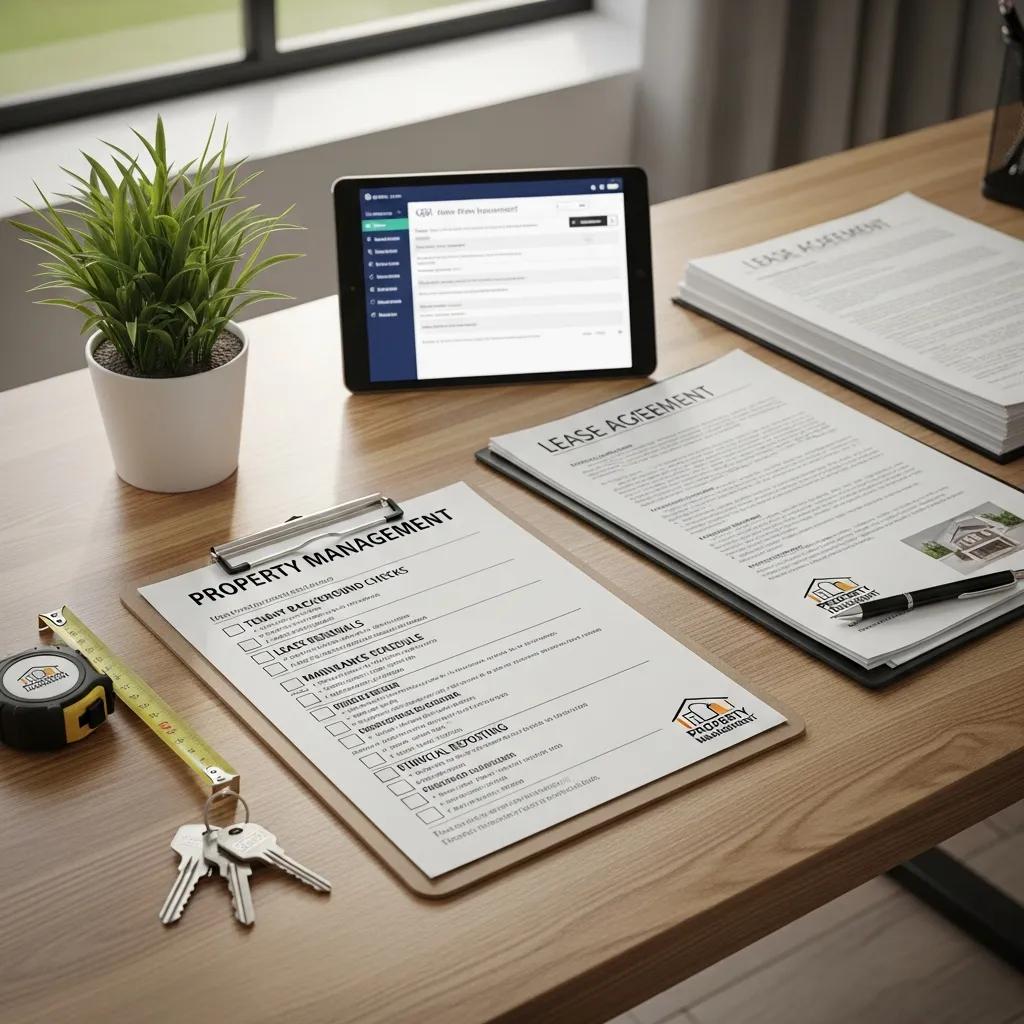
To ensure a smooth remediation process, property owners should prepare the following documentation:
This checklist serves as a guide to streamline the documentation process and facilitate compliance.
Property management plays a crucial role in ensuring compliance with the AEP and maintaining the overall health of a building. Effective property management strategies include:
By implementing these strategies, property management can significantly reduce the risk of AEP listing and enhance tenant satisfaction.
Engaging professional property management services can provide several advantages, including:
These benefits highlight the importance of professional property management in maintaining compliance and enhancing property value.

Tenants play a vital role in ensuring their living conditions are safe and compliant with city regulations. Here are some key points for tenants to consider:
By being proactive, tenants can help maintain safe living conditions and contribute to the overall compliance of their buildings.
Violations under the AEP can lead to significant legal consequences for property owners. Key implications include:
Understanding these legal implications is crucial for property owners to navigate the complexities of the AEP effectively.
Failure to comply with AEP requirements can result in:
These consequences underscore the importance of proactive compliance and effective property management.
Different remediation strategies can yield varying results in terms of effectiveness and efficiency. The following table compares common approaches:
| Strategy | Effectiveness | Timeframe | Cost |
|---|---|---|---|
| DIY Repairs | Moderate | 1-3 months | Low |
| Professional Services | High | 2-4 weeks | Medium |
| Comprehensive Overhaul | Very High | 3-6 months | High |
This comparison illustrates the trade-offs between different remediation strategies, helping property owners make informed decisions.
Navigating the NYC Alternative Enforcement Program (AEP) can be challenging for property owners and tenants alike. By understanding the program’s mechanisms, causes of listing, and effective remediation strategies, stakeholders can work towards compliance and safety. Engaging professional property management services can further enhance compliance efforts, ensuring that properties remain safe and well-maintained. For tenants, being informed about their rights and responsibilities is crucial in fostering a safe living environment. Ultimately, proactive measures and effective communication can lead to successful outcomes for all parties involved.
*(The existing HTML article content without links)*
Navigating the complexities of HPD violations in New York City can be daunting for property owners. Understanding the different classes of violations, the removal process, and the responsibilities of property owners is crucial for maintaining compliance and ensuring tenant safety. This article will provide a comprehensive overview of HPD violations, including the implications for property owners and the rights of tenants. By the end, you will have a clear understanding of how to manage HPD violations effectively and the resources available to assist you.
The New York City Department of Housing Preservation and Development (HPD) enforces housing regulations to ensure safe and habitable living conditions. Property owners must be aware of their obligations and the potential consequences of non-compliance. This guide will cover the classification of HPD violations, the step-by-step removal process, the responsibilities of property owners, tenant rights, and recent updates to housing codes.
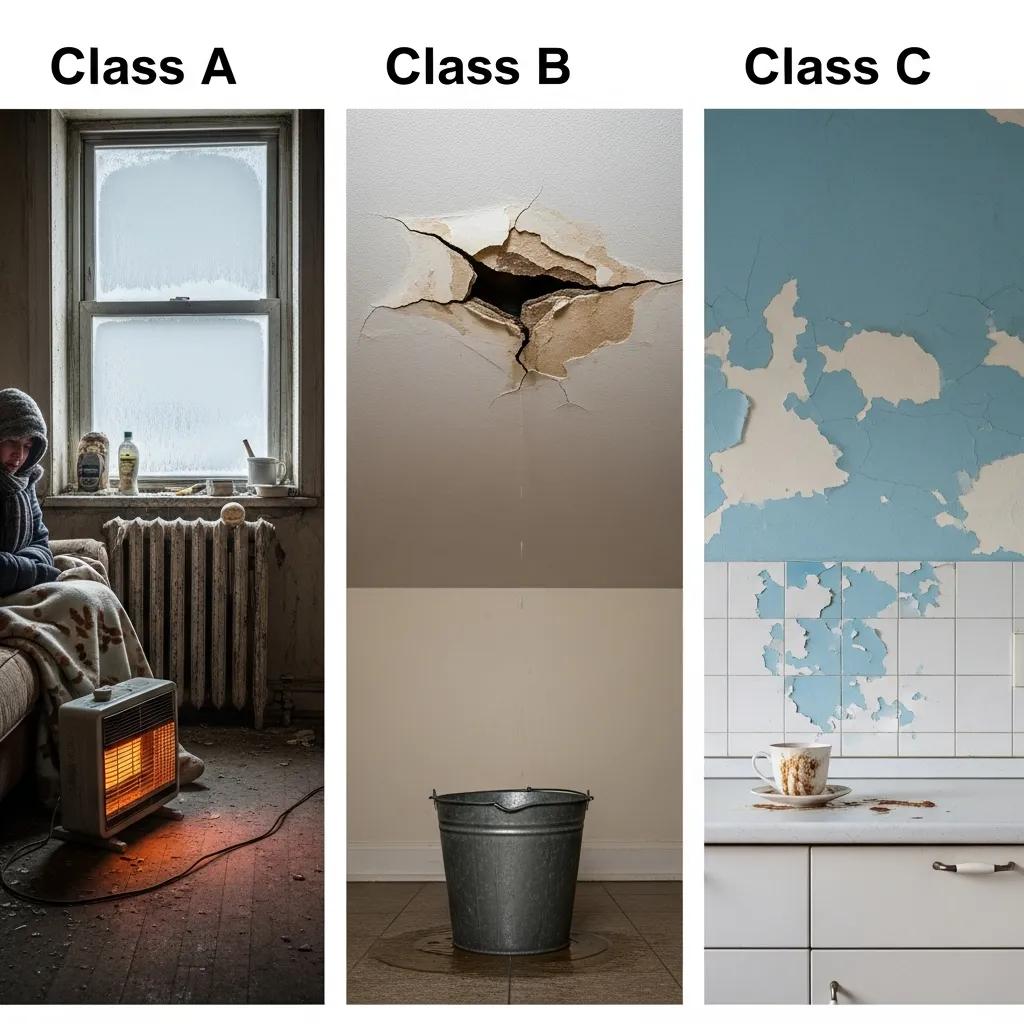
HPD violations are categorized into three classes: Class A, Class B, and Class C violations. Each class represents a different level of severity and urgency regarding the issues identified.
Understanding these classifications helps property owners prioritize their responses and ensure compliance with HPD regulations.

Removing an HPD violation involves a systematic approach to ensure that the issue is resolved and documented properly. Here’s a step-by-step guide to the violation removal process:
Following these steps can help property owners navigate the violation removal process efficiently.
Property owners and boards have specific legal obligations regarding HPD violations. Understanding these responsibilities is essential for compliance and effective property management.
By understanding their responsibilities, property owners can better protect their investments and ensure tenant satisfaction.
Tenants in NYC have specific rights when it comes to HPD violations. Knowing these rights can empower tenants to advocate for their living conditions effectively.
Understanding tenant rights and reporting procedures is vital for fostering a safe living environment.
In 2027, several updates to the NYC housing code will impact property owners and tenants alike. Staying informed about these changes is crucial for compliance.
Keeping abreast of housing code updates ensures that property owners remain compliant and that tenants enjoy safe living conditions.
Failing to comply with HPD regulations can lead to significant consequences for property owners. Understanding these repercussions is essential for effective property management.
Understanding the consequences of non-compliance is crucial for property owners to avoid costly penalties and legal issues.
| Violation Class | Severity Level | Example | Potential Fine |
|---|---|---|---|
| Class A | High | Lack of heat | $1,000+ |
| Class B | Medium | Minor structural issues | $500-$2,000 |
| Class C | Low | Peeling paint | $250-$1,000 |
This table illustrates the varying severity levels and potential fines associated with different classes of HPD violations, highlighting the importance of timely compliance.
By understanding HPD violations, property owners can take proactive steps to ensure compliance and maintain safe living conditions for tenants. This knowledge not only protects their investments but also fosters a positive relationship with tenants, ultimately contributing to a successful property management strategy.
Local Law 97 is a pivotal piece of legislation aimed at reducing greenhouse gas emissions from buildings in New York City. As building owners grapple with the implications of this law, understanding its requirements and deadlines becomes crucial. This comprehensive guide will delve into the specifics of Local Law 97, including compliance requirements, penalties for non-compliance, and strategies for “energy audits” and retrofitting. Building owners will learn how this law not only impacts their properties but also affects tenants and the broader rental market. By the end of this article, readers will have a clear understanding of Local Law 97 and the necessary steps to ensure compliance.
Local Law 97, enacted as part of the Climate Mobilization Act, aims to significantly reduce carbon emissions from large buildings in New York City. The law sets ambitious emissions limits for buildings over 25,000 square feet, with the goal of achieving a 40% reduction in emissions by 2030 and an 85% reduction by 2050. This legislation is crucial for combating climate change and promoting sustainability within the urban environment. Building owners must recognize the importance of these goals, as compliance not only contributes to environmental preservation but also enhances the value and marketability of their properties.

Building owners must adhere to specific compliance requirements outlined in Local Law 97. These include:
The deadlines for compliance are critical. The first compliance period begins in 2024, with subsequent reporting required annually. Failure to comply with these requirements can result in significant penalties.
For property owners seeking assistance, “property management services” can provide valuable support in navigating these compliance requirements. These services often include energy audits, reporting assistance, and strategies for retrofitting buildings to meet emissions standards.
Non-compliance with Local Law 97 can lead to substantial penalties. The fines are calculated based on the amount by which a building exceeds its emissions limit. The penalties are structured as follows:
| Penalty Type | Calculation Method | Example |
|---|---|---|
| Exceeding emissions limit | $268 per ton of CO2 over the limit | A building exceeding its limit by 10 tons would incur a fine of $2,680. |
| Failure to submit reports | $500 per month for late submissions | A building that submits its report three months late would face a $1,500 fine. |
| Energy audit non-compliance | $1,000 for failing to conduct required audits | A building that skips its mandated energy audit incurs a $1,000 penalty. |
These penalties underscore the importance of timely compliance and proactive management of building emissions.
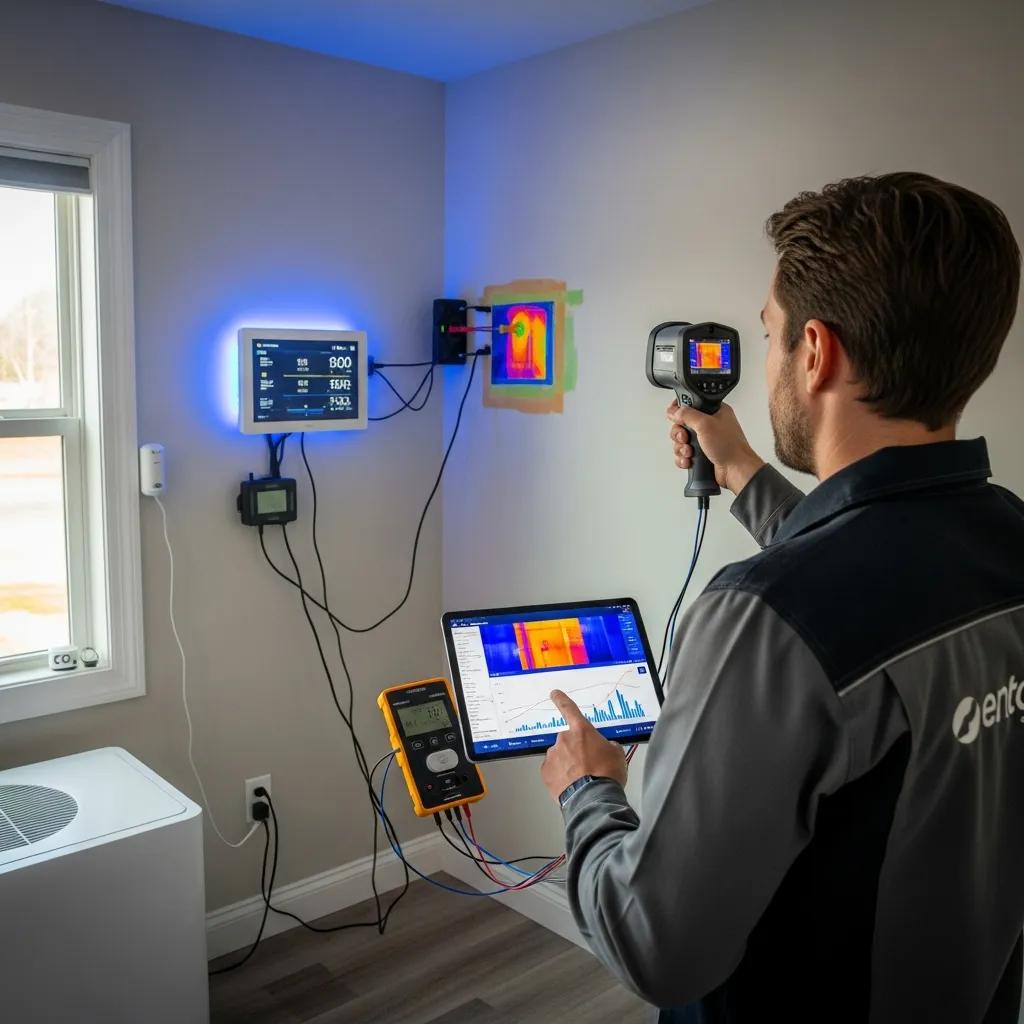
Conducting energy audits and implementing retrofit strategies are essential for compliance with Local Law 97. Energy audits help identify inefficiencies and areas for improvement, while retrofitting can significantly reduce emissions.
The necessity of comprehensive energy efficiency retrofits for existing buildings to meet long-term emission reduction targets is a well-established principle.
Building Retrofit Policies for Energy Savings & Emission Reduction
In order to achieve long-term targets for energy savings and emission reductions, substantial savings will be needed from existing buildings. For example, a recent analysis for the USA examines aggressive strategies to cut carbon emissions in half by 2040 and finds that in order to achieve this emission reduction target, more than half of existing buildings will need comprehensive energy efficiency retrofits. In the USA, the focus has been on a combination of rating and disclosure of energy use, financing, and technical assistance.
Policy strategies for achieving large long-term savings from retrofitting existing buildings, C Sebi, 2015
Key strategies include:
Building owners should consider engaging with “energy audit services” to ensure they are taking the right steps toward compliance. These services can provide tailored recommendations based on the specific needs of each building.
Local Law 97 has significant implications for tenants and the rental market in New York City. As building owners invest in compliance measures, these costs may be passed on to tenants in the form of higher rents. However, improved energy efficiency can also lead to lower utility bills, benefiting tenants in the long run.
Moreover, compliance with Local Law 97 can enhance the overall quality of rental properties, making them more attractive to prospective tenants. Buildings that meet or exceed emissions standards are likely to see increased demand, as environmentally conscious renters seek sustainable living options.
Property management services play a crucial role in helping building owners navigate the complexities of Local Law 97. These services typically include:
Choosing the right “property management service” can significantly ease the burden of compliance and ensure that building owners are well-prepared to meet the law’s requirements.
As of 2026, several case studies highlight successful compliance with Local Law 97. Many building owners have reported significant reductions in emissions through strategic investments in energy efficiency. Recent updates indicate that the city is ramping up enforcement efforts, with increased inspections and penalties for non-compliance.
These developments emphasize the importance of staying informed about Local Law 97 and its evolving requirements. Building owners must remain proactive in their compliance efforts to avoid penalties and contribute to New York City’s sustainability goals.
Building compliance is a critical aspect of property management, particularly in urban areas like Crown Heights, Brooklyn. This article delves into the essential components of building compliance services, focusing on landlord responsibilities, tenant rights, and the resolution of HPD violations. Readers will gain insights into the processes involved in maintaining compliance with local regulations, the importance of adhering to building codes, and the resources available for both landlords and tenants. As property owners and tenants navigate the complexities of compliance, understanding these elements can significantly impact their experiences and responsibilities. This guide will cover the HPD violation resolution process, landlord compliance requirements, condo and co-op board guidelines, tenant rights, and recent updates to the NYC housing code.
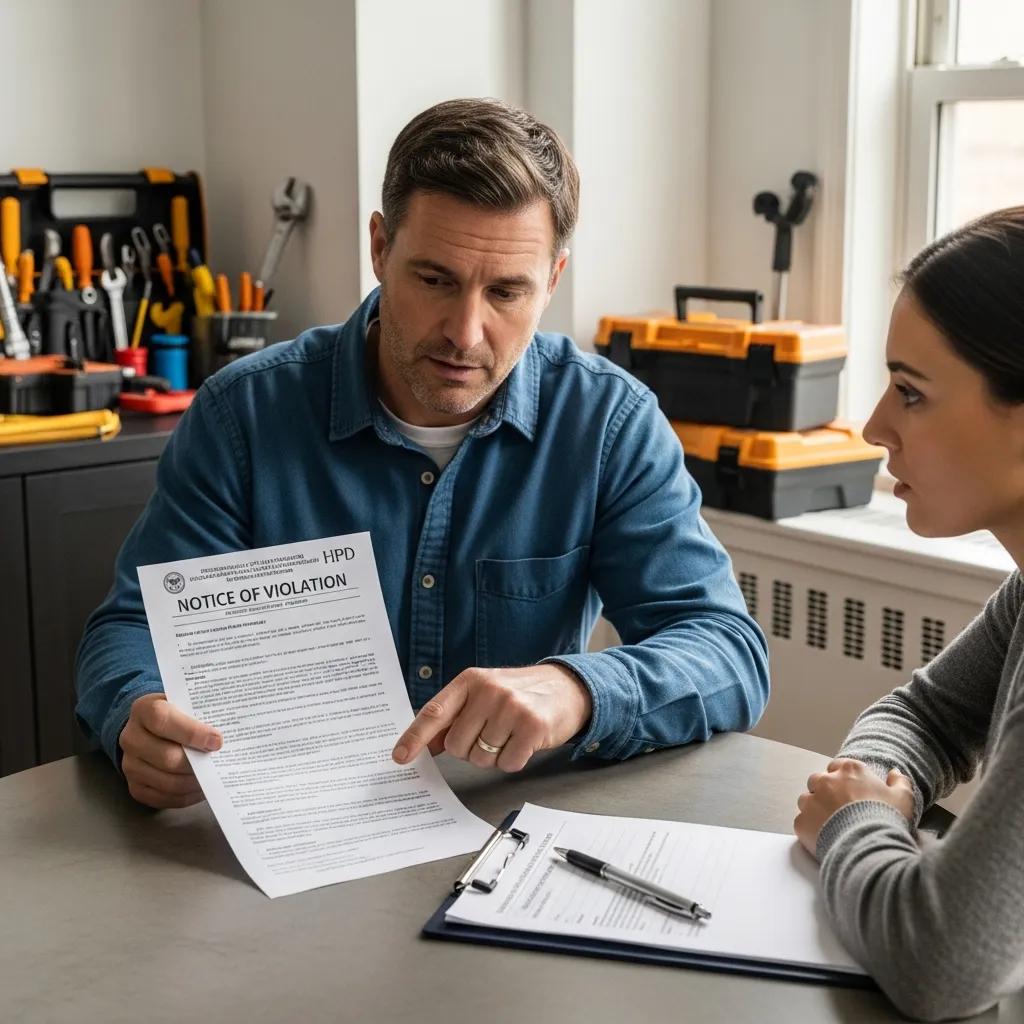
The HPD violation resolution process is a structured approach to addressing issues identified by the NYC Housing Preservation Department (HPD). This process typically involves several steps, including the identification of violations, notification to the property owner, and the requirement for corrective actions. Understanding this process is crucial for landlords to maintain compliance and avoid penalties. The resolution of HPD violations not only ensures the safety and habitability of rental properties but also protects landlords from potential legal repercussions.
These steps highlight the importance of prompt action in resolving HPD violations, ensuring that properties remain compliant with city regulations.
HPD violations can vary widely, but some of the most common types include:
Addressing these violations promptly is essential for maintaining tenant satisfaction and compliance with local laws.
Compliance with HPD regulations is not just a legal obligation; it also fosters a positive relationship between landlords and tenants. By ensuring that properties meet safety and habitability standards, landlords can reduce turnover rates and enhance their reputation in the community. Moreover, compliance helps prevent costly fines and legal disputes, making it a vital aspect of property management.
Landlords in New York City must adhere to a variety of compliance requirements to ensure the safety and well-being of their tenants. These regulations cover everything from building maintenance to tenant rights, and understanding them is crucial for successful property management.
These regulations are designed to protect both tenants and landlords, ensuring a safe living environment.
Failure to comply with NYC regulations can lead to severe consequences, including:
Understanding these consequences underscores the importance of maintaining compliance with all regulations.
Landlords can access various resources to help them navigate compliance requirements, including:
Utilizing these resources can significantly ease the burden of compliance for property owners.
Condo and co-op boards play a crucial role in maintaining compliance within their buildings. These boards are responsible for enforcing rules and regulations that ensure the safety and well-being of all residents.
Condo and co-op boards are tasked with:
These roles are essential for fostering a safe and enjoyable living environment.
Boards must ensure compliance with various regulations, including:
By fulfilling these responsibilities, condo and co-op boards help maintain a safe and compliant living environment for all residents.
Understanding tenant rights is essential for anyone renting a property in Crown Heights. Tenants have specific rights under NYC law that protect them from unfair practices and ensure their safety.
These rights are fundamental to ensuring a fair and equitable rental experience.
Finding a rental property in Crown Heights can be challenging, but several resources can assist prospective tenants:
Utilizing these resources can streamline the rental search process and help tenants find suitable housing.

Tenants can access various resources to understand their rights and responsibilities better, including:
These resources empower tenants to navigate their rights effectively and ensure they are treated fairly.
As of 2023, several updates to the NYC housing code will impact both landlords and tenants. Staying informed about these changes is crucial for compliance and understanding rights.
These updates reflect the city’s commitment to improving living conditions and promoting sustainability.
The updates to the housing code will have significant implications for both landlords and tenants:
Understanding these changes is essential for both parties to navigate the evolving landscape of housing regulations effectively.
Navigating the complexities of building compliance in Bed-Stuy, Brooklyn, is essential for both landlords and tenants. This article delves into the various aspects of building compliance services, focusing on the requirements set forth by the NYC Department of Housing Preservation and Development (HPD) and the implications of HPD violations. Readers will gain insights into the landlord compliance requirements, the resolution process for HPD violations, and the rights of tenants in securing compliant rental properties. Understanding these elements is crucial for maintaining safe and legal housing standards in the community. This guide will cover the HPD violation resolution process, landlord compliance requirements, condo and co-op board compliance guidelines, tenant rights, and local housing preservation initiatives.

The HPD violation resolution process is a critical pathway for landlords to address and rectify any compliance issues related to their properties. HPD violations can arise from various factors, including failure to maintain building safety standards or neglecting necessary repairs. Understanding the steps involved in resolving these violations is essential for property owners to avoid penalties and ensure tenant safety.
This structured approach not only helps landlords maintain compliance but also ensures that tenants live in safe and well-maintained environments.
Landlords in New York City must adhere to a variety of compliance requirements to ensure the safety and well-being of their tenants. These regulations are designed to protect tenant rights and maintain housing standards across the city. Below is a comparison of compliance requirements for different property types.
| Property Type | Key Compliance Regulations | Penalties for Non-Compliance | Best Practices |
|---|---|---|---|
| Residential Buildings | Regular safety inspections, timely repairs | Fines, legal action | Maintain a compliance checklist |
| Commercial Properties | Adherence to zoning laws, safety codes | Fines, business license revocation | Regular audits and staff training |
| Mixed-Use Developments | Compliance with both residential and commercial regulations | Fines, potential eviction of tenants | Engage with property management services |
Understanding these requirements is vital for landlords to avoid penalties and ensure a harmonious living environment for tenants.
Condo and co-op boards play a crucial role in maintaining compliance within their buildings. These boards are responsible for enforcing rules and regulations that ensure the safety and well-being of all residents. Key responsibilities include:
By adhering to these guidelines, condo and co-op boards can effectively manage compliance and enhance the quality of life for all residents.

Tenants have specific rights when it comes to rental property compliance, which are designed to protect them from unsafe living conditions. Understanding these rights is crucial for tenants seeking compliant rental properties. Key rights include:
These rights empower tenants to advocate for their living conditions and ensure that landlords fulfill their legal obligations.
Bed-Stuy is home to several local initiatives aimed at preserving housing and ensuring compliance with city regulations. These initiatives often involve partnerships with community organizations and local government to address housing challenges. Key initiatives include:
These initiatives play a vital role in fostering a supportive community and ensuring that all residents have access to safe and compliant housing.
Building compliance is a critical aspect of property management, particularly in urban areas like Ridgewood, Queens. Understanding the various regulations and requirements can help property owners and tenants navigate the complexities of housing codes and ensure safety and legality in their living environments. This article will delve into the essential components of building compliance services, focusing on HPD violations, landlord obligations, and the resources available for both landlords and tenants. By addressing these topics, we aim to provide valuable insights into maintaining compliance and avoiding potential legal issues.
In this guide, we will explore the following key sections: an overview of “HPD violations”, the legal obligations of landlords, property management solutions for condo and co-op boards, and resources for tenants seeking rental properties and understanding their rights. Each section will provide a comprehensive understanding of the compliance landscape in Ridgewood, equipping readers with the knowledge they need to manage their properties effectively.
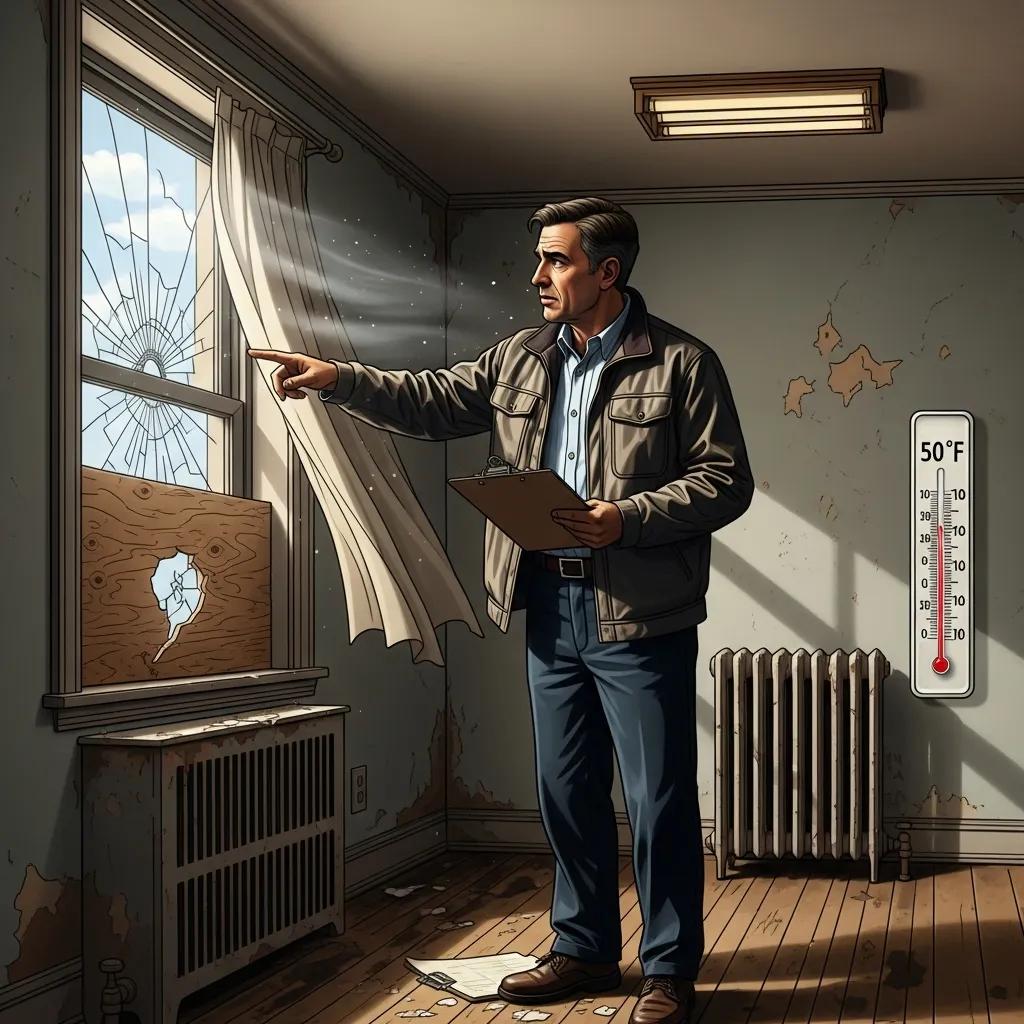
HPD violations refer to infractions of the New York City Housing Maintenance Code, which governs the maintenance and safety of residential buildings. These violations can arise from various issues, including inadequate heating, plumbing problems, or failure to maintain common areas. The implications of HPD violations can be severe, leading to fines, legal action, and even the potential loss of rental income for landlords.
Common types of HPD violations include:
Understanding these classifications is crucial for both landlords and tenants, as they dictate the urgency and type of response required. Failure to address these violations can lead to escalated penalties and further legal complications.
Landlords in New York City have specific legal obligations to ensure their properties meet safety and maintenance standards. These obligations include:
Failure to comply with these obligations can result in significant penalties, including fines and legal action from tenants or the city. Additionally, landlords may face challenges in retaining tenants if they do not maintain their properties adequately.
To better understand the compliance landscape, the following table outlines key compliance requirements for landlords in Ridgewood:
| Requirement | Description | Penalty for Non-Compliance |
|---|---|---|
| Regular Inspections | Conduct routine checks for safety and maintenance | Fines up to $1,000 |
| Timely Repairs | Address reported issues within a specified timeframe | Legal action from tenants |
| Tenant Communication | Inform tenants of their rights and repair status | Loss of tenant trust and potential lawsuits |
This table highlights the importance of adhering to compliance requirements to avoid legal repercussions and maintain a positive relationship with tenants.
Property management services play a vital role in ensuring compliance for condo and co-op boards. These services can include:
Engaging professional property management services can alleviate the burden on board members, allowing them to focus on strategic decisions while ensuring compliance with all relevant regulations.
These benefits underscore the value of investing in professional property management to maintain compliance and enhance the living experience for residents.

Tenants in Ridgewood have access to various resources to help them navigate the rental market and understand their rights. These resources include:
The importance of legal representation for tenants in housing disputes cannot be overstated, as evidenced by studies on its impact.
Legal Counsel’s Impact on NYC Tenant Outcomes
The results demonstrate that the provision of legal counsel produces large differences in outcomes for low-income tenants in housing court, independent of the merits of the case. For example, only 22% of represented tenants had final judgments against them, compared with 51% of tenants without legal representation. Similarly large advantages for tenants with an attorney also were found in eviction orders and stipulations requiring the landlord to provide rent abatements or repairs.
The impact of legal counsel on outcomes for poor tenants in New York City’s housing court: results of a randomized experiment, G Van Ryzin, 2001
Understanding these resources is essential for tenants to advocate for their rights and ensure they are living in safe and compliant housing.
When searching for rental properties, tenants should consider the following tips:
These strategies can help tenants find suitable housing while ensuring they are aware of their rights and responsibilities.
Building compliance is a critical aspect of property management, particularly in urban areas like Bushwick, Brooklyn. This article delves into the various building compliance services available, focusing on the Housing Preservation Department (HPD) violations, landlord compliance obligations, and the responsibilities of condo and co-op boards. Understanding these elements is essential for property owners, landlords, and tenants alike, as they navigate the complexities of New York City’s housing regulations. Many individuals face challenges in ensuring their properties meet compliance standards, which can lead to legal issues and financial penalties. This guide aims to provide clarity on compliance requirements and the resources available to assist in maintaining adherence to local laws. We will explore HPD violations, landlord responsibilities, tenant rights, and the role of property management services in ensuring compliance.

HPD violations refer to infractions of the New York City housing code enforced by the Housing Preservation Department. These violations can arise from various issues, including inadequate maintenance, safety hazards, and failure to meet building codes. Understanding the types of “HPD violations” is crucial for property owners to avoid penalties and ensure tenant safety. Common causes of these violations include neglect, lack of knowledge about regulations, and financial constraints that prevent necessary repairs.
To resolve HPD violations, property owners should follow these steps:
Different types of HPD violations can have varying resolution steps, as outlined in the table below.
| Violation Type | Description | Resolution Steps |
|---|---|---|
| Class A | Non-hazardous violations (e.g., minor maintenance issues) | Correct and certify within 90 days |
| Class B | Hazardous violations (e.g., lack of heat or hot water) | Correct immediately and certify within 30 days |
| Class C | Immediate threats to health and safety (e.g., structural issues) | Correct immediately and notify HPD |
Addressing HPD violations promptly is essential to avoid escalating fines and potential legal action. Property owners in Bushwick can benefit from compliance services that assist in navigating these regulations effectively.

Landlords in New York City have specific legal obligations to ensure their properties are safe and habitable. These obligations include maintaining the building’s structural integrity, providing essential services like heat and hot water, and addressing tenant complaints promptly. Failure to comply with these obligations can result in significant penalties, including fines and legal action from tenants or the city.
Best practices for landlord compliance include:
Property management services can play a vital role in helping landlords meet these compliance requirements. By outsourcing property management, landlords can ensure that their properties are maintained to the highest standards, reducing the risk of violations and enhancing tenant satisfaction.
Condo and co-op boards have distinct responsibilities when it comes to compliance with building regulations. These boards are tasked with managing the property on behalf of the owners and ensuring that all common areas meet safety and maintenance standards. Key responsibilities include:
By fulfilling these responsibilities, condo and co-op boards can maintain a safe and compliant living environment for all residents.
Tenants in New York City have specific rights regarding compliance with housing regulations. Understanding these rights is crucial for tenants to advocate for themselves and ensure their living conditions meet legal standards. Key tenant rights include:
Tenants should be aware of how to report violations and seek assistance if their rights are being infringed upon. Resources such as tenant advocacy groups can provide valuable support in navigating these issues.
Property management services are essential for ensuring compliance with building regulations in Bushwick. These services offer a range of benefits, including:
By leveraging property management services, landlords can enhance their compliance efforts and create a better living environment for tenants. This proactive approach not only mitigates risks but also contributes to the overall success of rental properties in Bushwick.