
April 26, 2023

A tenant unable to pay rent creates financial pressure for landlords, making early communication and proper documentation essential.
15% of American households had unpaid rent as of last fall. Landlords encounter tenant issues as more people struggle to make ends meet due to rising inflation rates.
Try the tactics in this post before you start evicting tenants. This advice will assist tenants with financial difficulties so that the landlord won’t lose out on monthly rent.
When a tenant doesn’t pay rent, it’s simple to assume the worst, but occasionally they just miss the due date. People who are paid on a monthly basis could not receive their paycheck until after the rent is due. In these cases, you can get in touch with your tenant and set up a new date.
Sending documentation to a tenant’s residence should begin if they are unable to pay rent for numerous months.
You must submit a letter of notice after contacting your tenants and not receiving a response on the rent due date. This document serves as notice to tenants that they are in arrears on their rent.
The outstanding balance as well as the late fees for missing the deadline should be listed in this document. Additionally, you must inform the tenant that failure to pay the requisite amount would result in legal action.
If a property owner needs to appear in court for tenant evictions, this is a crucial step. The letters of notice should be kept in several copies for future reference.
You will need to issue an eviction notice if the renter is unable to make rent payments. To find out what documentation is needed for eviction, you must get in touch with your neighborhood authorities. The late notice paperwork will be crucial in this situation. They demonstrate that you made an effort to resolve the conflict amicably before filing a lawsuit.
One of two ways is possible to deliver an eviction notice. You can personally deliver the paperwork to the tenant or distribute them through a mailbox.
Tenants may continue to communicate with the landlord even after getting an eviction notice. Speak with your tenant to better understand their circumstances. Tenants who are unable to pay rent typically have personal issues, such as loss of employment or illness.
You can agree on due dates and costs if tenants have access to financial aid or other advantages. This would allow your tenant more time to settle any outstanding debts, including the rent.
Before you file a lawsuit, it is wise to talk to your renter to try to work out a solution. If a tenant won’t contact you, you should deliver them eviction paperwork from a lawyer.
The next step is to check the property for damage and speak with your attorney about the court appearance.
If you’ve never dealt with tenants who couldn’t pay their rent before or you have a hectic schedule, it could be difficult. You can get assistance with the process by working with a property manager. They can take care of the initial phases of mailing letters to tenants reminding them when to make their rent payments and rent notice letters.
Find out how our team can assist you by speaking with us about our property management services.
April 20, 2023

Rent stabilized apartment repairs are becoming a major focus in NYC as the city launches funding to help landlords restore vacant regulated units.
Although some owner groups claim it won’t be enough, the city is establishing a $10 million pilot program to assist landlords in repairing unoccupied, rent-stabilized apartments.
According to a statement made on Wednesday by Mayor Eric Adams, the “Unlocking Doors” project would offer up to $25,000 per unit to owners of empty, rent-stabilized units that require work in order to be rerented.
The City Fighting Homelessness and Eviction Prevention Supplement, or CityFHEPS, voucher program of the city would allocate the restored units to residents who had previously been homeless.
400 apartments, a small portion of the tens of thousands of vacant, rent-stabilized apartments in the city, are anticipated to be included in the trial program. The initiative will examine whether the financing amount is adequate to rehabilitate homes that landlords claim they keep empty since the state’s 2019 rent regulation does not permit them to recoup enough refurbishment expenditures.
The municipal program reimburses landlords for eligible expenses following the completion of renovations and approval by the Department of Housing Preservation and Development, rather than giving money up in advance.
The Adams administration was praised by the Real Estate Board of New York for “putting forth creative solutions that seek to address the need for renovating and maintaining much-needed housing stock for voucher holders.”
However, other landlord organizations instantly attacked the program. The Community Housing Improvement Program and the Rent Stabilization Association said in a joint statement that $25,000 is not enough to cover the renovations required in stabilized buildings.
The organizations also criticized the government for failing to contact CHIP and RSA, two groups that “represent the majority of rent-stabilized apartment building owners in New York City,” prior to the announcement of the trial program.
In order to give landlords a one-time rent reset for vacated, rent-stabilized units, CHIP has been advocating for the state to enact a law. The group is pressing for the policy’s inclusion in the state budget and anticipates that, in the event that it is not, a separate measure would be submitted.

According to landlords, the strong limitations placed by the rent stabilization statute on their capacity to raise rents prevented them from successfully bringing vacant properties up to code when long-term leases terminated. The city’s Rent Guidelines Board recently released a report that revealed owners’ net operating revenue fell by a record 9.1 percent in 2021.
Apartments with the lowest rent, those that are “chronically vacant,” and those that need “significant repairs to become safe and habitable” will be given priority in the pilot. According to CHIP, these apartments frequently need $75,000 and occasionally far over $100,000 worth of work, including the removal of lead and asbestos, but can only be rented for $1,000 a month or much less.
This summer, the city will start accepting applications for the program.
Looking for an apartment in the Brooklyn, Manhattan, or Queens area?
Contact us to see how we can help you.
April 19, 2023

It’s not simple to rent in New York City. Finding the ideal apartment can be challenging and overwhelming due to exorbitant rents, constantly shifting lease obligations, and a competitive market.
But if you apply the appropriate strategy, you can control the situation and buy your ideal New York City home.
Read on to learn how to negotiate the NYC rental market and simplify the process of putting up your house rental application. By doing so, you’ll be able to get your dream property.
Get The Search Going Early
Know The Local Areas
Consult a Broker.
Make Use of Online Tools
Dispute Your Lease.
Go In-Person to The Apartment
What Benefits Come With Renting in New York?
There are benefits to renting in New York City, and a few of the biggest ones are as follows:
A Chance to discover the surrounding areas
Renting grants access to a variety of the city’s neighborhoods, each of which has advantages of its own. Moving between these locations is simpler than owning, and apartment amenities like gyms, swimming pools, and doormen can make renting even better.
Having Access to a Range of Employment
Renting in New York might open up a world of job prospects as it is a hub for many various kinds of employment. There are several professions that give workers the opportunity to work in a dynamic and fascinating city, from finance to fashion.
Additionally, if you ever decide to leave your current employment, you’ll have lots of other possibilities, and renting allows you to stay put without the worry and delay that comes with buying a home.
A Chance to Meet New People
In New York, renting is an excellent method to meet new people and develop relationships with people from all walks of life. Living in this city can help you meet fascinating people and explore your hobbies, whether you’re looking for a roommate or networking with professional contacts. All of these things might be helpful if you decide to stay in the area on a more permanent basis by buying a house in the future.
Final Reflections
Renting in New York City might be an excellent way to take advantage of everything the city has to offer. Living in this dynamic city has many benefits, from its diversified neighborhoods to its thriving job market. You should be able to discover an apartment that meets your demands and budget by using the advice given above, allowing you the chance to call this amazing city your home!
Learn more about our NYC property management services: https://landlordmanagementny.com/

HOA management costs play a major role in maintaining communities and ensuring a high quality of living for residents. While homeowners associations provide valuable services and amenities, the cost of running an HOA can be significant due to maintenance, repairs, and operational expenses.
Understanding HOA management costs helps property owners and board members plan effectively and avoid unexpected financial burdens.
One of the largest HOA management costs comes from major repairs and upgrades.
Examples include:
These expenses require careful planning and reserve funds to avoid large assessments.
Routine maintenance is another key part of HOA management costs.
Maintenance includes:
Capital improvements involve replacing assets that have reached the end of their lifespan. Both are essential for maintaining property value and safety.
Legal costs are often overlooked but can significantly impact HOA management costs.
Typical legal expenses include:
HOAs often retain legal professionals to handle compliance and disputes.
HOAs rely on professionals to operate efficiently. These services contribute to HOA management costs but are essential.
Examples include:
Management fees typically range from $10–$20 per unit monthly.
Insurance is a major component of HOA management costs.
Coverage includes:
Insurance premiums have increased significantly in recent years, sometimes doubling due to inflation and risk factors.
For more information on housing regulations, visit:
HOAs are funded through monthly fees paid by residents. These fees cover most HOA management costs, including maintenance, insurance, and services.
Typical fees range from:
As costs increase, HOAs may need to raise fees to maintain operations.
Although expenses are unavoidable, there are ways to manage HOA management costs effectively:
Regular upkeep reduces the risk of expensive repairs.
Negotiating contracts can lower service costs.
Adjusting coverage or deductibles may reduce premiums.
Working with experienced professionals like Landlord Management NY helps HOAs control costs, stay compliant, and operate efficiently.
HOA management costs include maintenance, repairs, insurance, legal fees, and operational expenses.
Fees are high because they cover maintenance, insurance, and major repairs for shared community assets.
Yes, through preventive maintenance, contract negotiation, and better financial planning.
Major repairs and capital improvements are typically the most expensive.
April 17, 2023
April 3, 2023

The commercial rent ruling gives New York landlords a new legal path to recover unpaid rent tied to pandemic-era lease protections.
A federal judge ruled that a Covid-era provision from March 7, 2020 through June 30, 2021 for retail renters is unconstitutional, siding with commercial landlords.
The judgment presents a chance for landlords whose tenants fell behind on their rent due to the outbreak.
A city ordinance that didn’t allow landlords from seizing tenants’ personal assets in order to recoup unpaid rent was in question. It had been passed two months into the pandemic. Many people argued that it was against the Contract Clause of the U.S. Constitution, which forbids governments from passing laws that interfere with private contracts.
The initial request to dismiss that case was successful for the city. As was the case during the pandemic. Judge Ronnie Abrams concluded that case law accorded “substantial deference” to decision-makers working in the public interest.
A positive decision was reached in an appeal by landlords in October 2021. The court found numerous “serious concerns” and sent the matter back to Judge Abrams. The guarantee provision did not uphold the public interest in a reasonable manner as required by the contract clause.
The city was not able to demonstrate that the guarantee statute “is reasonably tailored to accomplish its legitimate policy goals”. Abrams’ said in his decision on the last day of March. The state case, which was brought by various landlords was unsuccessful on appeal.
The decision is a major victory for commercial landlords whose tenants defaulted on their rent from March 2020 to June 2021. As well as those whose leases held them personally accountable for that debt.
Those landlords may now be able to pursue the assets of those renters.
The ruling was hailed by the Real Estate Board of New York as setting a new standard for commercial real estate.

Capital expenses like elevator, roof, or façade maintenance are frequently necessary for co-op and condo buildings. Boards frequently employ assessments to fund these renovations. These are short-term hikes to your maintenance or common costs to support a specific upgrade or to replenish a co-op’s reserve fund.
Depending on the expense of the renovations, assessments might last anywhere from a few months to a few years. The amount of money in the building’s reserve fund—that is, how much cash is on hand for emergencies—can influence whether or not a board levies an assessment.
Imposing an assessment permits a board to prevent a permanent rise in the condo’s common charges—or the maintenance of a co-op—also known as dues or fees. Higher-than-average carrying expenses and significant assessments can both have an influence on an apartment’s sale price.
How Are Assessments Determined?
Assessments are based on the common interest given to each flat in a condo complex or the ownership in a co-op.
Even though the square footage is the same, evaluations might differ between flats. Because a higher-level apartment uses the elevator more frequently than a ground-floor unit, it typically has a larger common interest in ownership of the condo.
If the project is being financed with the aid of a bank, the evaluation may additionally include loan interest. This will also be split out by co-op shareholding or percentage of common interest in a condo.
Are Assessments Flawed?
Assessments are an indication that the board is reinvesting in the facility, which benefits the owners. Throughout the life of a structure, there will be some form of assessment.
Your building should ideally have both a capital plan and solid reserve money. The capital plan is an asset appraisal created with the assistance of an architect or engineer and input from the management firm and super. It will determine the age of the elevator, boiler, sprinkler system, façade, and roof, as well as when and how much it will need to be repaired or replaced.
Once the capital plan is set, the building will require reserves to be paid for. This can be accomplished by raising common charges, instituting a flip tax, selling a building’s air rights, or refinancing a co-op’s underlying debt.
If a building relies too much on assessments to pay for upgrades, it may indicate that there are limited reserves, which might be an issue if an emergency occurs. (This is why it’s usually a good idea to collect this information from a building’s financial statement before buying.
Do Assessments Have An Impact on the sale price?
The assessments will differ depending on the number of flats in the building. The more there are, the lower the impact on each unit.
The cost of a project for owners in a 30-unit building, for example, is higher since it is shared among a smaller number of individuals. In a larger building of 300 units, even if the total cost is higher, the actual cost for each unit will most likely be lower.
If there is a future assessment, we make an effort to negotiate that it be factored in when pricing the unit.
Can Assessments Be Used to Support Energy Efficiency Upgrades?
Energy upgrades are becoming more important to building boards as they are urged to transition away from fossil fuels and meet pollution restrictions under Local Law 97. Using assessments to pay large capital projects is a possibility, but it may be problematic—assessments put pressure on co-op and condo owners, and the influence on sales price must also be considered.
East Flatbush property management can be challenging for landlords managing rental properties. From tenant screening to maintenance and legal compliance, understanding the basics of property management helps maximize rental income and protect your investment.
Tenant Screening is Key
The first step in successful property management is attracting quality tenants. This means conducting thorough tenant screening to ensure that potential tenants have a history of paying their rent on time, taking care of their living space, and have a reliable source of income. A reputable Flatbush Property Management Company can help you establish a comprehensive tenant screening process that includes credit checks, rental history checks, and employment verification.
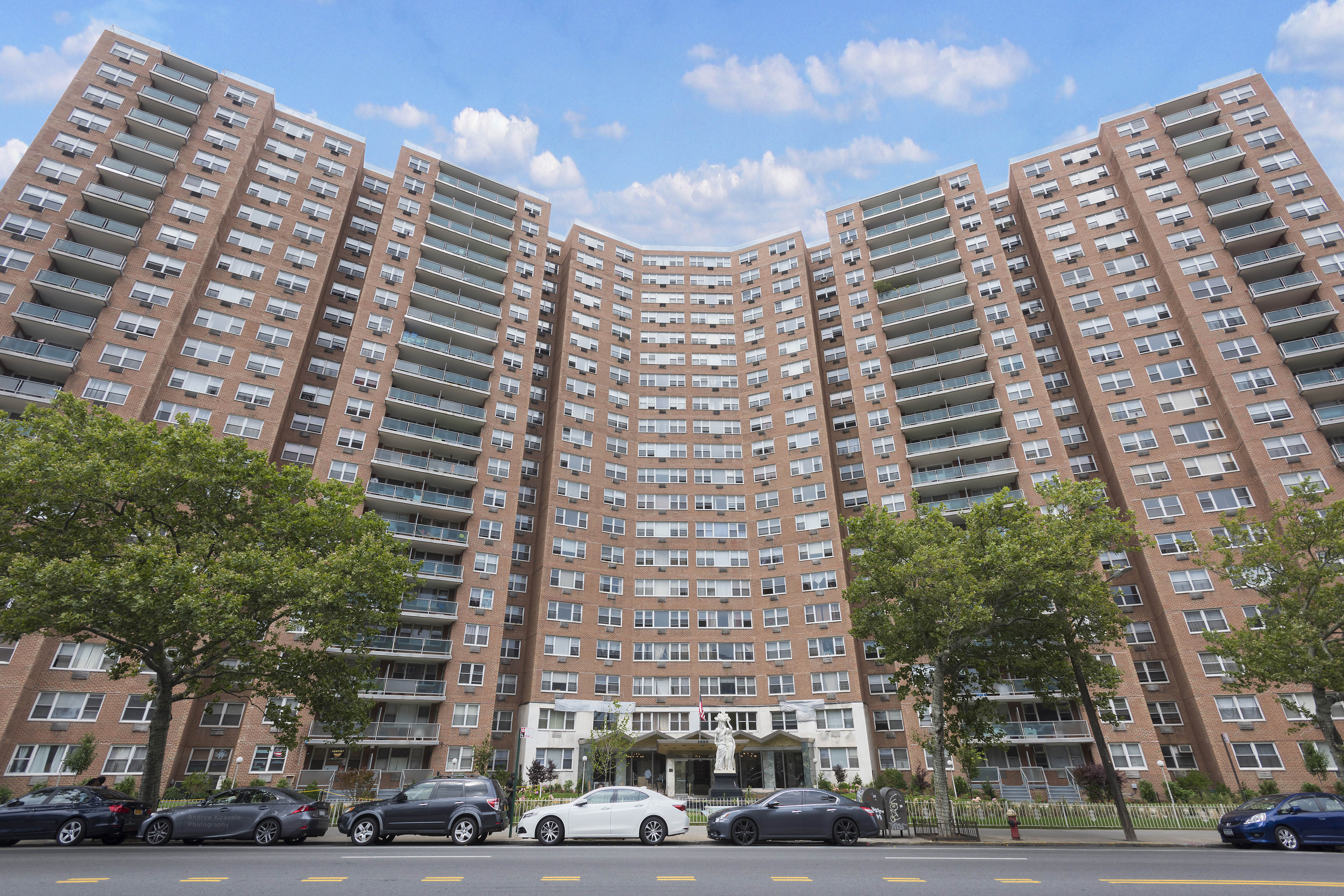
Regular Property Maintenance is Essential
One of the most important aspects of property management is regular maintenance. It’s important to stay on top of repairs and upkeep in order to avoid costly and time-consuming problems down the line. This includes everything from routine landscaping and cleaning to fixing leaky faucets and addressing electrical issues. Partnering with an experienced East Flatbush Property Management Company can help ensure that your properties are properly maintained and that any issues are addressed promptly.
Communication is Key
Clear and consistent communication with your tenants is crucial for maintaining a positive landlord-tenant relationship. Make sure that your tenants have a way to reach you in case of an emergency or other issue. Additionally, providing regular updates on maintenance schedules or other changes can help foster a positive and cooperative relationship between you and your tenants.
Legal Knowledge is Necessary
As a landlord, it’s important to have a good understanding of the legal requirements and regulations that apply to rental properties. This includes everything from fair housing laws to building codes and zoning requirements. Working with a Flatbush Property Management Company that has a deep understanding of these regulations can help ensure that you are in compliance and avoid costly legal issues.
Time Management is Essential
Managing rental properties is a time-consuming job, especially if you have multiple properties. As a landlord, it’s important to be realistic about the amount of time that you have available to devote to property management tasks. Working with an experienced East Flatbush Property Management Company can help you maximize your time and ensure that your properties are managed efficiently.
Final Thoughts on property management services in Brooklyn
Professional East Flatbush property management helps landlords reduce vacancies, stay compliant, and improve long-term property value. Managing rental properties can be a challenging and time-consuming task. By understanding the key elements of successful property management, including tenant screening, regular maintenance, communication, legal knowledge, and time management, you can ensure that your properties are properly managed and that you are maximizing your rental income. At Landlord Property Management, we have the experience and expertise necessary to help you manage your properties effectively and efficiently.
Landlords should stay informed about housing laws through resources like the New York State Division of Housing and Community Renewal.
Learn more about our services on the Landlord Management homepage.
Visit our About Us page to learn about our local experience.
Explore more landlord tips on our blog page.
March 31, 2023
If you’re a landlord in Queens, hiring a Queens property management company can make managing rental properties far easier and more profitable. Between tenant communication, rent collection, maintenance coordination, and legal compliance, many owners quickly realize professional support saves both time and money.
Tenant Screening and Placement
One of the most important aspects of property management is finding and retaining quality tenants. A good Queens Rental Management Company can help you with every aspect of tenant screening and placement, from advertising your rental properties to conducting thorough background checks on potential tenants. By finding reliable and responsible tenants, you can help ensure that your properties are well-maintained and that you receive timely rent payments.
Maintenance and Repairs
Another key benefit of working with a property management company is that they can handle all aspects of maintenance and repairs for your rental properties. From routine landscaping and cleaning to major repairs, a reputable Queens Rental Management Company can ensure that your properties are well-maintained and that any issues are addressed promptly. This can save you time and money in the long run, as it can help prevent small issues from becoming major and costly problems.
Rent Collection
Collecting rent can be one of the most time-consuming and frustrating aspects of property management. A professional property management company can take care of rent collection for you, ensuring that you receive timely payments and that any late fees or penalties are assessed as necessary. This can help you maintain a positive relationship with your tenants while also ensuring that you receive the income that you are entitled to.
Legal Compliance
There are many laws and regulations that apply to rental properties, and it can be difficult for landlords to keep up with all of the latest requirements. Working with a Queens Rental Management Company that has a deep understanding of these laws and regulations can help ensure that you are in compliance and can avoid costly legal issues down the line.
In conclusion
While there is an investment involved in hiring a property management company, the benefits can make it well worth the cost. By working with a reputable and experienced Landlord Property Management, you can ensure that your properties are well-maintained, your tenants are happy, and your rental income is maximized.
March 29, 2023
NYC trash rules changed in 2023 to reduce rat activity by limiting how long garbage stays on sidewalks before collection.

As the city works to combat its expanding rat problem, New Yorkers will soon have to leave out their trash much later in the day.
The New York City Department of Sanitation (DSNY) announced the final publication of new rules to limit the number of hours trash, recycling, and organics will sit on New York City sidewalks by adjusting the time of day those materials may be placed on the curb. This is part of the Adams administration’s ongoing commitment to clean up New York City’s streets and support the city’s economic recovery. This fulfills a promise made in the middle of October and follows a 30-day public comment process and public hearing.
The current policy allows for trash, recycling, and organics to be put out on the curb after 4:00 PM the night before collection, which is the latest in any major American city. As a result, in many neighborhoods, these items can sit out for more than 14 hours, including during the evening rush hour for pedestrians. The city’s recovery will be aided by these new regulations, which take effect on April 1, 2023.
This will cut down on the amount of time trash is left out on the curb, lessen the blight of black bags, lessen the amount of trash that rats can get into, improve cleanliness, and reduce the amount of trash that is left out for rats.
Garbage can be removed after 6 p.m. beginning on April 1, 2023, but it must be in a secure container. Before, garbage could be left outside for collection after 4 p.m.
Only after 8 p.m. can rubbish bags be placed directly on the curb; bundled cardboard must be placed next to safe containers.
Buildings with nine or more apartments have the option to put the trash out between 4 and 7 in the morning.
This announcement also includes newly defined regulations for businesses that use private waste haulers rather than the DSNY for service. Companies can select from the following choices:
If you’re placing trash bags on the curb, put them out after 8:00 PM. One hour prior to closure put trash in a closed container. Cardboard rolls could be placed next to the container.
The first offense carries a $50 fine; subsequent offenses carry a $100 fine.
March 28, 2023
Professional property management helps landlords save time, reduce stress, and improve rental performance through expert daily support.

Wondering Whether Getting A Professional Property Management Company To Help You Is The Right Answer?
Read The List Of Reasons Below To See If You Are Someone Who Can Handle Managing A Property Alone.


Our team will be happy to help you find the right solutions for your property.