Owning a rental in the five boroughs is not just an investment; it is a full-time battle against aging infrastructure and evolving city codes. While the financial rewards of New York real estate are substantial, the grind of 2 a.m. pipe bursts in Brooklyn or complex tenant disputes in Manhattan can overwhelm even the most seasoned owners. Navigating the chaos of the best property management companies ensures you actually keep the “passive” in passive income while a dedicated team absorbs the day-to-day friction through full-service rental property oversight.
The “best” firms act as a buffer between your personal life and the relentless demands of high-density urban housing. By offloading the logistical burden of rent collection, 24/7 maintenance, and local law compliance to the best property management companies, you secure your investment’s longevity through professional rental asset management. Landlord Management specializes in transforming high-stress buildings into streamlined assets that perform consistently in the competitive New York market.
Phase 1: Asset Audit & Stabilization
Phase 2: High-Velocity Leasing
Phase 3: Lifecycle Maintenance

Tenant management is a 24-hour commitment that requires a mix of firm policy enforcement and diplomatic communication. From the initial credit pull to the final move-out inspection, tenant placement and oversight acts as the authoritative face of your property. We handle the friction of lease renewals and rule enforcement so you never have to play the “bad guy,” ensuring your Brooklyn or Manhattan units remain occupied by respectful, paying residents.
⚙️ Technical Execution
📈 Growth & ROI
True property maintenance is not just about fixing what is broken; it is about defending the structural integrity of your New York investment. We do not wait for the ceiling to collapse. Our proactive property oversight approach involves routine walkthroughs and a network of trusted contractors who understand the quirks of pre-war walk-ups and modern Queens condos alike. This proactive stance is what separates the best property management companies from mere call centers.
In the New York real estate game, you cannot manage what you do not measure. We provide an owner’s portal that delivers real-time visibility into your property’s financial health through real-time property performance tracking, from gross income to specific repair invoices. This level of granularity ensures that during tax season, your accountant is not digging through a shoebox of receipts, but rather downloading a clean, professional ledger.
Pro Tip: In the Brooklyn rental market, the “hidden killer” of ROI isn’t the repair bill—it’s the vacancy. Most amateur landlords lose 8-10% of their annual income simply by being slow to list. We start the marketing process 60 days before a lease expires, often securing a new tenant before the old one has even packed their first box.
Managing a property in the city shouldn’t feel like a second job. By integrating professional systems and local expertise, you turn a high-maintenance building into a predictable, high-performing asset. Landlord Management provides the infrastructure you need to scale your portfolio without sacrificing your sanity or your weekends.
Take the first step toward reclaiming your time and maximizing your building’s potential with Landlord Management. Whether you own a single unit in Queens or a multi-family portfolio in Manhattan, our team provides the “Master Craftsman” level of care your investment deserves. Join the ranks of owners who trust Landlord Management, one of the best property management companies, to deliver results, not excuses.
Call (718) 536-2642 today to schedule your portfolio audit. Contact us today!

Building management companies ensure that owning a Brooklyn asset maintains mechanical integrity and administrative precision at every level. The gap between a profitable investment and a liability often comes down to the quality of the firm managing the daily grind through property management optimization. Landlord Management bridges that gap by deploying seasoned operational frameworks that protect your structural equity. In the high-stakes New York market, shifting from passive oversight to aggressive building management ensures your property remains a top-tier performer regardless of economic shifts.

Landlord Management prioritizes mechanical grit and fiscal transparency, outperforming generic firms through a proactive “boots on the ground” philosophy with hands-on property oversight solutions. We treat every boiler room and roof deck as if we held the deed ourselves, anticipating failures before they disrupt your cash flow. This hands-on intensity ensures that your Brooklyn property operates at peak efficiency while maintaining the highest levels of tenant satisfaction and safety.
The scope of professional building management includes the technical oversight of HVAC systems, full-cycle leasing, and 24-hour emergency response through commercial property management solutions. We conduct rigorous, scheduled inspections that go beyond a simple walkthrough, examining elevator pits, electrical panels, and fire suppression systems. By consolidating vendor management and service contracts under our expert eye, we drive down operational costs while elevating the quality of every repair.
Stable residency is a direct byproduct of responsive communication and a perfectly maintained physical environment. Landlord Management implements structured communication channels that guarantee residents a clear path for reporting issues and receiving updates through residential property management solutions. When a tenant knows their heating concern or hallway light replacement is a priority, their trust in the building increases, which drives long-term lease renewals and lowers turnover costs.
The primary goal of professional building management is to maximize your Net Operating Income (NOI) through strategic expense control and high occupancy. We optimize your revenue by enforcing strict rent collection cycles and auditing utility bills for “silent” waste through property management financial optimization. Detailed financial reporting allows you to see exactly where every dollar goes, giving you the confidence to scale your portfolio while we handle the complexities of Brooklyn real estate math.

Selecting Landlord Management guarantees that your asset receives the technical expertise and administrative rigor required to thrive in New York. We combine old-school “Master Craftsman” work ethic with modern management tools to ensure your building runs like a well-oiled machine. This allows you to step away from the daily chaos of property ownership and focus on high-level investment strategy while we protect your legacy.
Most owners think they are saving money by self-managing. Pro Tip: If you aren’t auditing your boiler’s fuel-to-air ratio annually, you’re likely burning 15% of your profit through the chimney. Professional building management pays for itself through efficiency alone.
Successful property ownership in Brooklyn isn’t about luck; it’s about the systems you put in place to manage risk and growth. By leveraging the expertise of Landlord Management, you ensure your property remains compliant, profitable, and respected by its residents. Our team stands ready to transform your operational headaches into a streamlined, high-value investment.
Call +1 (718) 536-2642 today to schedule your building management consultation and reclaim your peace of mind. Contact us today!
What types of properties do professional building management companies handle?
We manage a diverse range of Brooklyn assets, including multi-family residential units, mixed-use commercial spaces, and high-end luxury brownstones. Each property type receives a custom-engineered maintenance plan tailored to its specific structural and tenant needs.
How often are property inspections performed?
Our team conducts deep-dive mechanical and safety inspections on a quarterly basis, with monthly “walk-and-talk” visual checks. This frequency ensures we catch minor equipment wear before it escalates into a major building-wide failure.
Can building management companies handle midnight emergencies?
Yes. Landlord Management provides a dedicated 24/7 emergency response line staffed by professionals who know your building’s specific shut-off valves and electrical layouts. We protect your property and tenants at any hour.
Do you provide transparent financial reporting for owners?
We deliver granular, monthly financial packets that track every cent of income and expenditure. Owners have full visibility into vendor invoices, utility costs, and rent rolls through our secure client portal.
How does professional management help improve my tenant retention?
By providing a safe, clean, and highly responsive living environment, we turn tenants into long-term residents. High-quality service significantly reduces the “churn” that causes expensive vacancies and renovation costs between leases.

Selecting the right rental management services is crucial for property owners aiming to enhance their profitability through property investment performance management. This article delves into the various benefits of professional property management, how it can maximize rental income, and what to consider when choosing a management company. By understanding these aspects, property owners can make informed decisions that lead to increased revenue and reduced stress. Many landlords struggle with high vacancy rates and tenant retention, which can significantly impact their bottom line. The right management services can provide solutions to these challenges, ensuring a steady income stream. We will explore the key benefits of professional property management, strategies for maximizing rental income, and essential factors to consider when selecting a property management company.
Professional property management services offer numerous advantages that can significantly enhance a property owner’s profitability. These services not only streamline operations but also improve tenant satisfaction and retention. By leveraging expert knowledge and resources through rental property performance management, property managers can effectively reduce vacancy rates, attract quality tenants, and ensure timely rent collection.
Property management services employ effective marketing strategies to minimize vacancy rates. They utilize comprehensive market analysis to set competitive rental prices, ensuring properties are attractive to potential tenants. Additionally, property managers implement robust tenant screening processes, which help in selecting reliable tenants who are likely to stay longer, thus reducing turnover and associated costs.
Attracting and retaining quality tenants is essential for maximizing rental income. Property managers engage in proactive tenant engagement practices, such as regular communication and prompt maintenance responses, which foster a positive living experience. They also implement retention strategies, including lease renewal incentives and community-building activities, to encourage tenants to stay longer, thereby reducing vacancy rates and increasing overall profitability.

Maximizing rental property income requires strategic management and a keen understanding of market dynamics. Expert property management services can help property owners achieve this by conducting thorough market analyses and implementing efficient rent collection processes.
Strategic market analysis is vital for setting optimal rent prices that reflect current market conditions. Property managers analyze local rental trends, comparable properties, and economic factors to determine the best pricing strategy. This approach not only attracts tenants but also ensures that property owners receive fair market value for their rentals, ultimately enhancing profitability.
Efficient rent collection processes are crucial for maintaining a steady cash flow. Property management services implement streamlined systems for rent collection, which reduce late payments and associated fees. By providing multiple payment options and clear communication regarding due dates, property managers enhance tenant compliance and improve overall financial performance for property owners.
Selecting the right property management company is a critical decision that can impact your investment’s success. Several key factors should be considered to ensure you choose a reliable partner.
When evaluating property management companies, consider their experience, service offerings, and reputation in the industry. A reliable partner should have a proven track record of managing properties similar to yours and should offer a comprehensive range of services, including tenant screening, maintenance, and financial reporting.
Local market expertise is essential for effective property management. A company with in-depth knowledge of the local rental market can provide valuable insights into pricing strategies, tenant preferences, and regulatory requirements. This expertise enables property managers to make informed decisions that align with market trends, ultimately enhancing the profitability of your investment.
The return on investment (ROI) for rental properties can be significantly influenced by the quality of property management. Professional management services can enhance ROI through effective tenant management, maintenance, and financial oversight.
Calculating the ROI of rental property management services involves assessing the net income generated from the property against the total costs associated with management. This includes management fees, maintenance costs, and any other expenses incurred. A well-managed property typically yields a higher ROI due to reduced vacancy rates and improved tenant retention.
Property owners can benefit from various tax advantages associated with professional property management. These may include deductions for management fees, maintenance costs, and depreciation. Understanding these financial benefits can help property owners maximize their overall profitability and ensure compliance with tax regulations.
Investing in rental properties comes with inherent risks, but professional property management services can help mitigate these risks through proactive strategies.
Proactive property maintenance is essential for preserving property value and minimizing long-term repair costs. Property management services implement regular inspections and maintenance schedules to address issues before they escalate. This approach not only protects the investment but also enhances tenant satisfaction, leading to longer lease terms.
Legal compliance is a critical aspect of property management. Professional property managers stay updated on local laws and regulations, ensuring that all aspects of property management adhere to legal standards. In cases where eviction becomes necessary, experienced property managers handle the process efficiently and in accordance with the law, minimizing potential legal complications for property owners.

Technology plays a pivotal role in modern rental management, enhancing efficiency and improving tenant experiences.
AI tools are increasingly being integrated into property management operations to streamline processes and improve decision-making. These tools can assist with tenant screening, maintenance requests, and financial reporting, allowing property managers to focus on strategic initiatives that drive profitability.
Tenant portals and management software enhance transparency and communication between property managers and tenants. These platforms allow tenants to submit maintenance requests, pay rent online, and access important information about their leases. Improved communication fosters a positive tenant experience, which is crucial for retention and overall property success.
Different aspects of rental management services can significantly impact a property owner’s profitability.
| Service Type | Key Benefit | Impact Level |
|---|---|---|
| Tenant Screening | Reduces vacancy rates | High |
| Market Analysis | Optimizes rent pricing | High |
| Maintenance Services | Preserves property value | Medium |
This table illustrates how various rental management services contribute to enhancing profitability through targeted benefits. By understanding these services, property owners can make informed decisions that align with their financial goals.
In conclusion, choosing the right rental management services, like Landlord Management, is essential for maximizing property profitability. By leveraging professional expertise, property owners can reduce vacancy rates, attract quality tenants, and ensure efficient operations. Understanding the key benefits of property management, the importance of local market expertise, and the role of technology can empower property owners to make strategic decisions that enhance their investment returns.
Navigating the complexities of property management in New York City can be daunting for property owners. This article aims to clarify common questions regarding hiring a property manager, providing insights into their roles, responsibilities, and the value they bring to property ownership through rental property management expertise. Understanding the nuances of property management is crucial for maximizing your investment and ensuring compliance with local regulations. This guide will cover essential topics, including the functions of property managers, their worth in the NYC market, licensing requirements, key responsibilities, benefits of hiring one, typical costs, and tips for selecting the right manager for your rental property.
A property manager in NYC is responsible for overseeing the daily operations of rental properties, ensuring they run smoothly and efficiently through residential property management solutions. Their primary functions include handling rent collection, managing tenant communication, and coordinating maintenance and repairs. By acting as a liaison between landlords and tenants, property managers help maintain positive relationships and ensure that both parties’ needs are met. This role is essential for property owners who may not have the time or expertise to manage their properties effectively.
Hiring a property manager can be a worthwhile investment for many property owners in New York. They can significantly reduce vacancy rates by effectively marketing properties and screening potential tenants. Additionally, property managers improve tenant quality by conducting thorough background checks and ensuring compliance with legal obligations. This professional oversight can lead to a more stable rental income and peace of mind for landlords, making the cost of hiring a property manager a valuable consideration.
Property management fees in NYC typically range from 4% to 10% of the monthly rent. However, these fees can vary based on the specific services provided and the type of property being managed. For instance, some property managers may charge additional fees for services such as tenant placement, maintenance coordination, or legal assistance. Understanding these costs is crucial for property owners when budgeting for property management services.
Yes, a license is required to operate as a property manager in New York, particularly for those who collect rent or negotiate leases. A real estate broker’s license is necessary for individuals involved in these activities, ensuring that they adhere to state regulations and protect the interests of both landlords and tenants. This licensing requirement underscores the importance of hiring qualified professionals to manage rental properties.
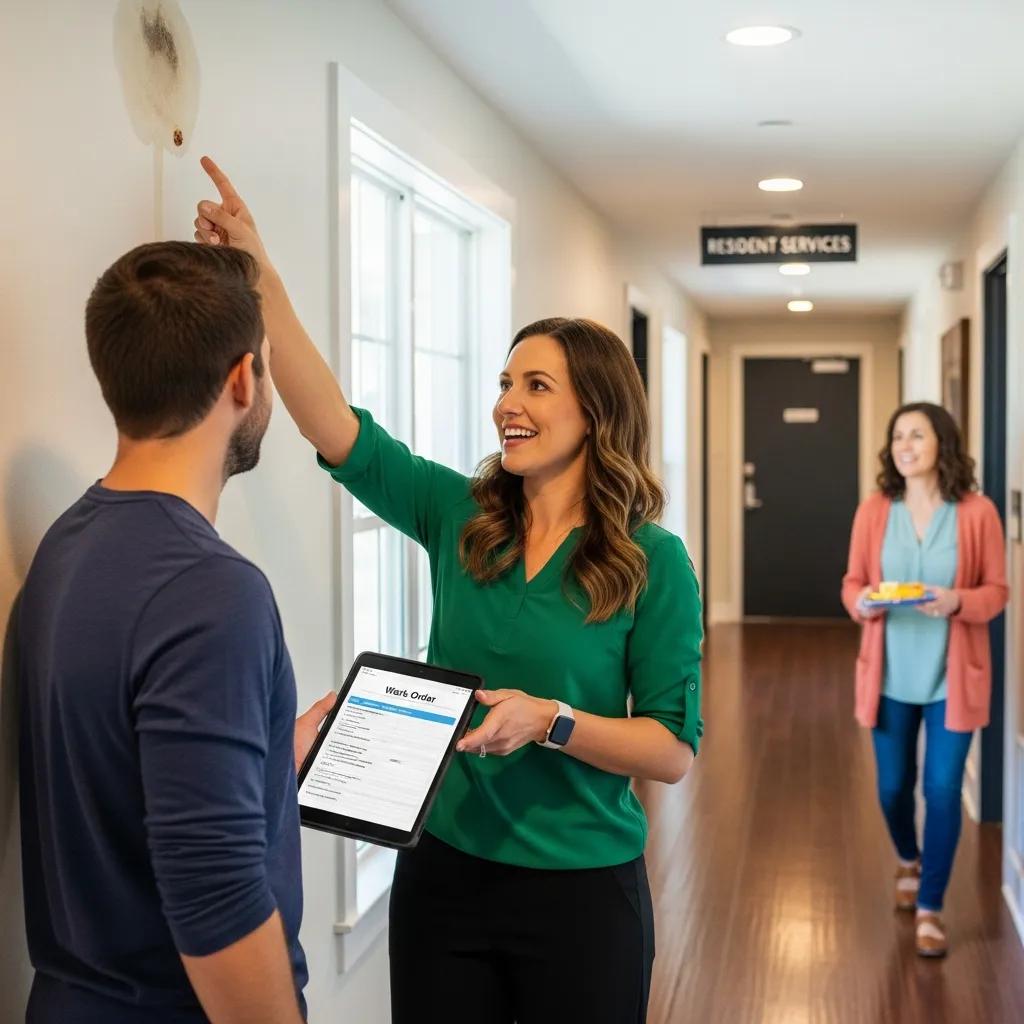
Property managers have several key responsibilities that are vital to the successful operation of rental properties. These include:
These responsibilities highlight the multifaceted role of property managers in maintaining property value and tenant satisfaction.

Hiring a property manager offers numerous advantages for property owners in NYC. Some of the key benefits include:
These benefits make hiring a property manager a strategic decision for many landlords looking to optimize their investments.
For those considering the advantages of professional management, it’s essential to evaluate the specific services offered by property management companies. Engaging with a reputable firm can provide tailored solutions that align with your property management needs.
Understanding the costs associated with property management is crucial for property owners. The typical fee structures include:
| Fee Type | Description | Typical Range |
|---|---|---|
| Management Fee | A percentage of monthly rent for ongoing management services | 4% – 10% |
| Leasing Fee | A one-time fee for finding and placing a new tenant | 50% – 100% of one month’s rent |
| Maintenance Fees | Charges for coordinating repairs and maintenance services | Varies by service |
These fee structures can vary significantly based on the property type and the services included, making it essential for property owners to clarify costs upfront.
Selecting the right property manager is critical for the success of your rental property. Here are some tips to consider:
By following these guidelines, property owners can make informed decisions when hiring a property manager, ultimately leading to a more successful rental experience with Landlord Management.
Navigating the complexities of property management in Brooklyn can be a daunting task for NYC landlords through Brooklyn rental property management solutions. This comprehensive guide aims to equip landlords with essential knowledge about property management services, legal compliance, and best practices for tenant support. By understanding the core aspects of Brooklyn property management, landlords can optimize their rental success and ensure a smooth operation of their properties. This article will cover key services, legal obligations, best practices for managing condo and co-op boards, effective tenant support strategies, and current market trends. Additionally, we will explore how property management fees work in Brooklyn, providing a well-rounded perspective for landlords looking to enhance their rental operations.
Brooklyn rental property management encompasses a variety of essential services that help landlords maintain their properties and ensure tenant satisfaction. These services include:
Understanding these core services is vital for landlords aiming to streamline their operations and enhance tenant experiences.

Tenant placement and screening are critical components of property management that help landlords find reliable tenants. The process typically involves several key steps:
This thorough screening process helps landlords select tenants who are likely to pay rent on time and maintain the property well.

Maintenance and repair services are essential for preserving property value and ensuring tenant satisfaction. Key services typically include:
These services not only enhance tenant satisfaction but also protect the landlord’s investment by maintaining the property’s condition.
Further emphasizing the importance of proactive property care, research highlights how predictive maintenance can significantly enhance property value and operational efficiency.
Predictive Maintenance for Property Management & Value
Operation and Maintenance (O&M) is an important part of efficient property management by ensuring the safety, health, habitability, sustainability, and operability of property, while enhancing property value, return on investment and quality living of property. Evaluating the status of real-time condition of property throughout the life cycle will support well organized and regulated O&M, enhanced property value, and accurate property valuation. This research explores how adoption of a predictive approach to property O&M could provide the means to avoid the actual failure and timely solution for effective and sustainable property management by considering real-time condition of property, thereby adding overall effectiveness to property value.
A Review Study on Adoption of Predictive Maintenance for Property Management, J Singh, 2024
Compliance with legal requirements and understanding rent stabilization laws are crucial for NYC landlords through rental compliance advisory support. These regulations ensure fair treatment of tenants and protect landlords from potential legal issues.
NYC landlords have several legal obligations that must be adhered to, including:
Understanding these obligations helps landlords navigate the legal landscape effectively.
Rent stabilization laws significantly impact how landlords manage their properties. Key aspects include:
Awareness of these factors is essential for landlords to operate within the law while maximizing their rental income.
Managing condo and co-op boards in Brooklyn requires a unique approach that balances the needs of residents with effective governance.
Property managers play a vital role in coordinating with condo and co-op boards by:
Effective coordination helps maintain harmony within the community and ensures that board decisions are implemented efficiently.
Brooklyn condo boards encounter several challenges, including:
Understanding these challenges allows property managers and board members to develop proactive solutions that enhance community living.
Finding and supporting tenants is crucial for maintaining occupancy rates and ensuring tenant satisfaction. Here are some effective strategies:
These strategies can significantly enhance a landlord’s ability to find and retain quality tenants.
Creating effective rental listings is essential for attracting potential tenants. Key strategies include:
Implementing these strategies can lead to quicker tenant placements and reduced vacancy rates.
Property managers provide valuable assistance to tenants during their rental search by:
These services not only support tenants but also help landlords maintain a steady flow of qualified applicants.
Staying informed about current rental market trends is essential for effective property management. Recent trends include:
By keeping abreast of these trends, landlords can make informed decisions that enhance their property management practices.
Understanding property management fees is essential for budgeting and financial planning. Typical fees in Brooklyn can vary based on service types and property characteristics.
Property management fees in Brooklyn generally range from 8% to 12% of the monthly rent, depending on the services provided. Additional fees may include:
These fees can impact a landlord’s overall profitability, making it essential to understand the cost structure.
Fee structures can differ significantly based on the type of services rendered and the nature of the property. Key considerations include:
Understanding these variations helps landlords choose the right property management services that align with their financial goals with Landlord Management.
Managing residential properties in New York City requires a clear set of governing rules that define how HOA and Condo Buildings operate and how residents interact. One of the most important legal documents for any cooperative, condominium, or homeowners association is the building bylaws supported by residential property governance solutions.
Bylaws establish the legal structure and operational framework of a building. They outline the responsibilities of board members, property managers, and unit owners, ensuring that decisions are made fairly and that building operations remain compliant with New York housing regulations.
Many boards and building owners rely on experienced Landlord Management NYC to help oversee building governance, enforce bylaws, and maintain efficient building operations.
For property owners, HOA boards, condo boards, and real estate investors, reviewing a sample set of HOA or condo bylaws can provide valuable insight into how residential associations are governed and how policies are structured to maintain transparency, organization, and legal compliance through community governance document review.
To help illustrate how these governing documents work, we’ve included a downloadable example below.
You can review a sample set of bylaws commonly used in condominium and homeowners associations in NYC below.
This example provides a clear overview of the standard sections, legal provisions, and operational policies typically included in governing documents for HOA and Condo Buildings.
Reviewing sample bylaws can help board members, property owners, and property managers better understand the structure of building governance and the rules that guide HOA and Condo Buildings operations.
HOA and condominium bylaws are the official rules that define how a residential association is governed. While a building’s declaration or offering plan establishes the property legally, the bylaws regulate the day to day management of the building.
These governing documents outline the structure of the association and establish procedures for decision making, financial management, and operational responsibilities.
Typical HOA and condominium bylaws address areas such as
By defining these policies, bylaws help ensure that buildings operate efficiently while maintaining transparency and accountability within the community.
Most condominium and HOA bylaws in HOA and Condo Buildings follow a similar structure. Although the exact language may vary depending on the building and legal requirements, most bylaws include several essential sections.
This section explains how the association is legally structured and organized.
It identifies whether the property operates as a
The organizational section also defines the purpose of the association and establishes the authority of the governing board.
This section outlines the structure and responsibilities of the governing board.
Typical provisions include
The board is responsible for making key decisions related to building maintenance, financial planning, and enforcement of building rules.
Building bylaws typically include detailed rules about how meetings are conducted.
These provisions address
Clear voting procedures ensure that important decisions such as budget approvals, board elections, or policy changes are conducted fairly and transparently.
This section clarifies which maintenance responsibilities belong to the building and which belong to individual unit owners.
Typically
These provisions help prevent disputes by clearly defining responsibility for repairs and maintenance.
Financial governance is a critical component of building bylaws.
This section typically outlines procedures for
Proper financial oversight ensures that buildings maintain adequate funding for repairs, improvements, and long term maintenance.
Many bylaws require the association to maintain specific insurance coverage.
Typical insurance requirements include
These protections help safeguard both the building and board members against potential risks.
Over time, building policies may need to evolve to reflect new regulations or operational needs.
The bylaws typically outline a formal process for making amendments including
This ensures that any changes to governing documents are made legally and transparently.
In New York City, bylaws are essential for maintaining stability and organization within residential buildings.
Without clearly defined governing documents, disputes between owners, tenants, and boards can quickly escalate.
Well written bylaws help buildings
Buildings must also remain compliant with city regulations and inspections. Understanding NYC building compliance is an important part of maintaining a well managed property.
For condo boards, co op boards, and property managers, bylaws serve as the primary reference point for enforcing building policies and making operational decisions.
Many residential buildings rely on professional property management companies to help implement and enforce building bylaws.
Experienced property managers assist boards with
Working with a professional management team allows boards to focus on long term planning while experts handle daily operations. You can learn more about ourproperty management here and how experienced managers support residential buildings.
If you are a board member, property owner, HOA board member, or real estate professional, reviewing a sample set of bylaws can provide valuable insight into how residential buildings are governed.
You can view the full sample bylaws document here
This example demonstrates the standard legal structure and operational policies commonly used in condominium and homeowners associations.
Bylaws form the backbone of governance for condominiums, cooperatives, and homeowners associations in New York City.
These documents define how buildings are managed, how decisions are made, and how responsibilities are shared between boards, residents, and property managers.
Understanding these governing documents is essential for anyone involved in property ownership, real estate investment, or residential building management.
If your board needs guidance managing bylaws, compliance, or building operations, Landlord Management can help—contact us here.
HOA bylaws are governing rules that define how a homeowners association operates including board responsibilities voting procedures financial management and maintenance policies.
Yes. Condominium bylaws are legally binding documents that all unit owners must follow once they purchase property within the association.
Most bylaws include a formal amendment process that requires a vote from unit owners or shareholders.
Building bylaws are typically enforced by the board of directors and the property management company responsible for overseeing building operations.
Navigating the complexities of property maintenance in New York City can be daunting for landlords in Property Maintenance Services NYC. This comprehensive guide aims to clarify the responsibilities, legal obligations, and best practices for maintaining rental properties in NYC through NYC property upkeep management. Landlords will learn about their maintenance responsibilities, the legal requirements for repairs, and how to effectively manage emergency situations. Additionally, this guide will cover the rights and responsibilities of tenants, ensuring a harmonious landlord-tenant relationship. By understanding these aspects, landlords can ensure compliance with local regulations while providing a safe and comfortable living environment for their tenants.
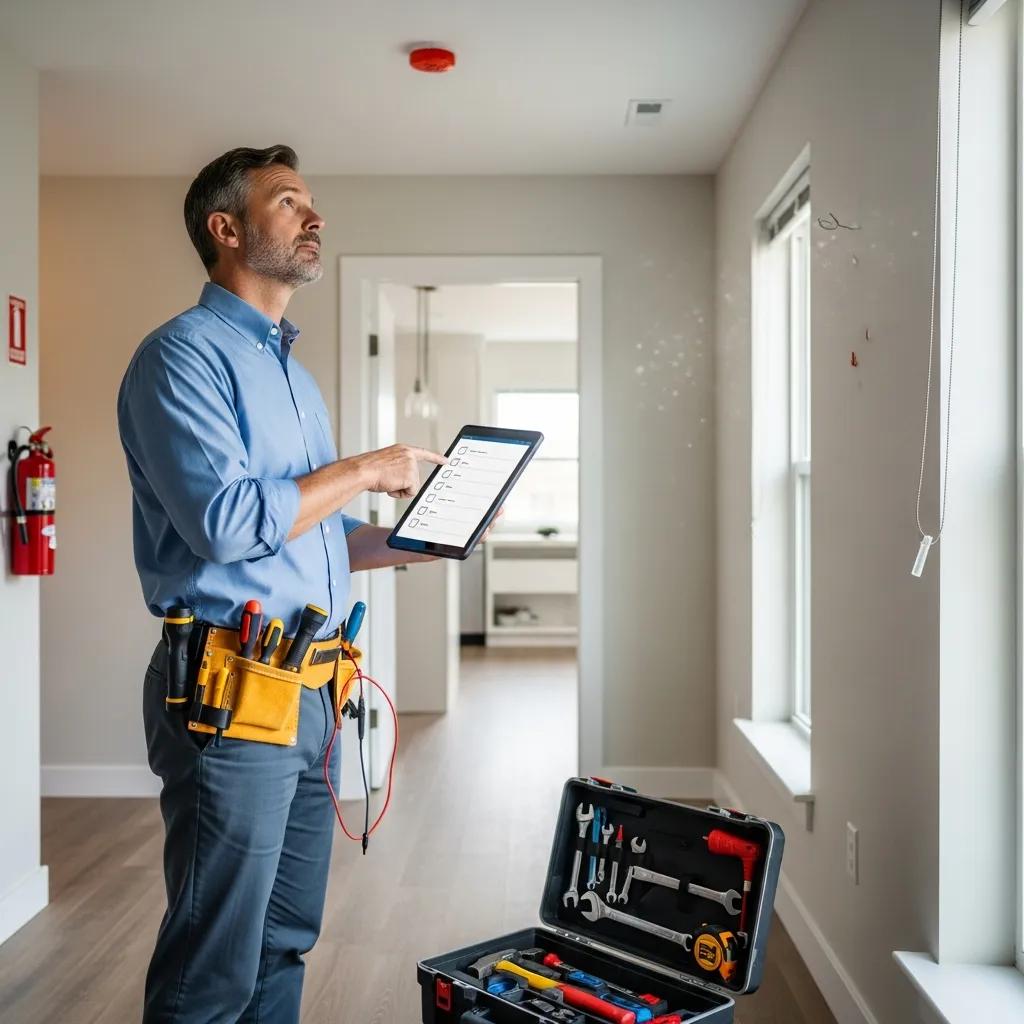
NYC landlords have a legal obligation to maintain their properties in a safe and habitable condition under Property Maintenance Services NYC through residential property compliance management. This includes compliance with local building and health codes, addressing mold and pest issues, and providing essential services such as heat and water. Landlords must also ensure that common areas are clean and safe for tenants. Failure to meet these responsibilities can lead to legal repercussions and tenant dissatisfaction.
Landlords must adhere to various local building and health codes in Property Maintenance Services NYC, which dictate the minimum standards for property maintenance. This includes ensuring that all electrical, plumbing, and heating systems are functioning properly and that the property is free from hazardous conditions.
Promptly addressing mold and pest issues is crucial for maintaining a healthy living environment. Landlords are responsible for taking immediate action to remediate any mold growth and to eliminate pest infestations, which can pose serious health risks to tenants.
Providing essential services, such as heat and water, is a fundamental responsibility of landlords. In NYC, landlords must ensure that heating systems are operational from October 1 to May 31, maintaining a minimum temperature of 68°F during the day and 55°F at night.
Landlords in NYC are legally required to perform several types of repairs to ensure the safety and habitability of their properties. These include:
These legal obligations are designed to protect tenants and ensure that rental properties remain safe and livable.
Regular inspections of rental properties are vital for identifying maintenance issues before they escalate in Property Maintenance Services NYC. Landlords should conduct inspections at least once a year, focusing on critical areas such as plumbing, electrical systems, and structural integrity. Additionally, landlords should encourage tenants to report any maintenance concerns promptly to facilitate timely repairs.
Regular inspections help landlords identify potential issues early, allowing for proactive maintenance and reducing the risk of costly repairs in the future. This practice also demonstrates to tenants that the landlord is committed to maintaining a safe and comfortable living environment.
Implementing preventive maintenance strategies, such as seasonal inspections and routine servicing of heating and cooling systems, can significantly extend the lifespan of property components and enhance tenant satisfaction.

Managing emergency repairs effectively is crucial for maintaining tenant safety and satisfaction. Landlords should establish a clear protocol for handling emergencies, ensuring that tenants know how to report issues and what to expect in terms of response times.
A 24/7 tenant reporting system allows tenants to report emergencies at any time, ensuring that urgent issues are addressed promptly. This system can include a dedicated phone line or an online portal for reporting maintenance concerns.
Landlords should prioritize immediate responses to emergencies, such as plumbing leaks or heating failures, to prevent further damage and ensure tenant safety. Having a reliable network of emergency repair contractors can facilitate quick resolutions.
After emergency repairs are completed, conducting quality control inspections ensures that the work meets safety standards and resolves the issue effectively. This practice helps maintain tenant trust and satisfaction.
An emergency repair in NYC is defined as any situation that poses an immediate threat to the health or safety of tenants. Common examples include:
Understanding what constitutes an emergency repair helps landlords respond appropriately and maintain compliance with local regulations.
In NYC, landlords are required to respond to emergency repairs within specific timeframes to ensure tenant safety. The general guidelines are as follows:
These response times are crucial for maintaining tenant safety and satisfaction.
Condo and co-op boards play a vital role in maintaining the overall condition of their buildings. Implementing best practices for maintenance can enhance property value and tenant satisfaction.
Conducting routine inspections of common areas and building systems helps identify maintenance needs early. Boards should schedule these inspections regularly to ensure that all aspects of the property are well-maintained.
Having a clear emergency response strategy in place ensures that tenants know how to report issues and what to expect in terms of response times. This strategy should include contact information for emergency repair services and guidelines for tenants.
Condo and co-op boards manage building maintenance through a combination of regular inspections, contractor management, and budgeting for maintenance costs. Effective management practices are essential for maintaining property value and tenant satisfaction.
Many boards choose to hire professional management companies to oversee maintenance tasks. These companies can provide expertise in managing repairs, inspections, and tenant communications, allowing boards to focus on strategic decision-making.
Proper budgeting for maintenance costs is crucial for ensuring that funds are available for necessary repairs and improvements. Boards should regularly review their budgets and adjust as needed to accommodate unexpected expenses.
Condo and co-op boards often contract various maintenance services to ensure the proper upkeep of their properties. Commonly contracted services include:
These contracted services help boards maintain a high standard of living for residents.
Tenants in NYC have specific rights and responsibilities regarding property maintenance. Understanding these can help foster a positive landlord-tenant relationship.
Tenants are responsible for promptly reporting any maintenance issues to their landlords. This includes issues such as leaks, heating failures, and pest infestations. Timely reporting allows landlords to address problems before they escalate.
Tenants have the right to essential services, such as heat and hot water. If landlords fail to provide these services, tenants may have grounds for legal action.
Effective communication is key to resolving maintenance issues promptly. Tenants should follow these best practices when reporting problems:
These practices help ensure that maintenance issues are addressed in a timely manner.
While landlords are responsible for major repairs, tenants also have specific maintenance tasks they must handle. These include:
Understanding these responsibilities helps tenants contribute to the overall upkeep of the property.
Finding reliable property maintenance contractors is essential for landlords looking to ensure quality repairs and services. Here are some guidelines for vetting contractors:
Before hiring a contractor, landlords should verify that they hold the necessary licenses and insurance. This protects landlords from liability in case of accidents or damages during repairs.
Landlords should obtain bids from multiple contractors to compare pricing and services. This practice helps ensure that landlords receive fair pricing and quality work.
When selecting maintenance contractors, landlords should consider several key criteria:
These criteria help landlords make informed decisions when hiring maintenance services.
Verifying contractor compliance with NYC regulations is crucial for ensuring that all work meets legal standards. Landlords should take the following steps:
These steps help ensure that landlords hire qualified professionals who adhere to local regulations.
Landlords must adhere to specific property inspection and compliance guidelines to ensure the safety and habitability of their rental properties. These guidelines include:
Understanding these guidelines helps landlords maintain compliance and avoid legal issues.
Recent updates to NYC housing codes will impact property maintenance practices for landlords. Key changes include:
Staying informed about these changes is essential for landlords to maintain compliance and avoid penalties.
Preparing rental properties for official inspections involves several key steps:
These preparations help landlords present their properties in the best possible light during official inspections.
Ensure your NYC property stays safe, compliant, and well-maintained with expert Property Maintenance Services NYC from Landlord Management. From routine inspections to emergency repairs, we handle it all so you can focus on your tenants. Contact us today to protect your investment and keep your building running smoothly!

The NYC Alternative Enforcement Program (AEP) is a crucial initiative aimed at addressing building violations and ensuring compliance with city regulations. This comprehensive guide will help property owners and tenants understand the AEP, its implications, and the steps necessary to avoid or exit the program. Many property owners find themselves overwhelmed by the complexities of building code enforcement and the potential for severe penalties. This article will provide insights into the AEP’s mechanisms, the causes of AEP listing, and a step-by-step remediation process to regain compliance. Additionally, we will explore the role of “property management” in ensuring adherence to regulations and offer guidance for tenants on navigating rental safety.
The NYC Alternative Enforcement Program (AEP) is designed to address buildings with a history of significant violations, aiming to improve safety and compliance within the city through building compliance and violation resolution. The program targets properties that have accumulated multiple violations, often leading to increased scrutiny from the NYC Department of Buildings. The AEP serves as a mechanism to enforce compliance with building codes, ensuring that property owners take necessary actions to rectify violations. This initiative not only impacts property owners but also affects tenants, who may face unsafe living conditions due to unresolved issues. Understanding the AEP is essential for both parties to navigate the complexities of building management and compliance effectively.
Several factors can lead to a property being listed under the AEP, primarily revolving around building violations and conditions. Common causes include:
Understanding these causes is vital for property owners to take proactive measures to avoid being placed on the AEP list.
Removing a property from the AEP list involves a systematic approach to address and rectify violations. The remediation process typically includes the following steps:
Following these steps diligently can significantly enhance the chances of successfully removing a property from the AEP list.
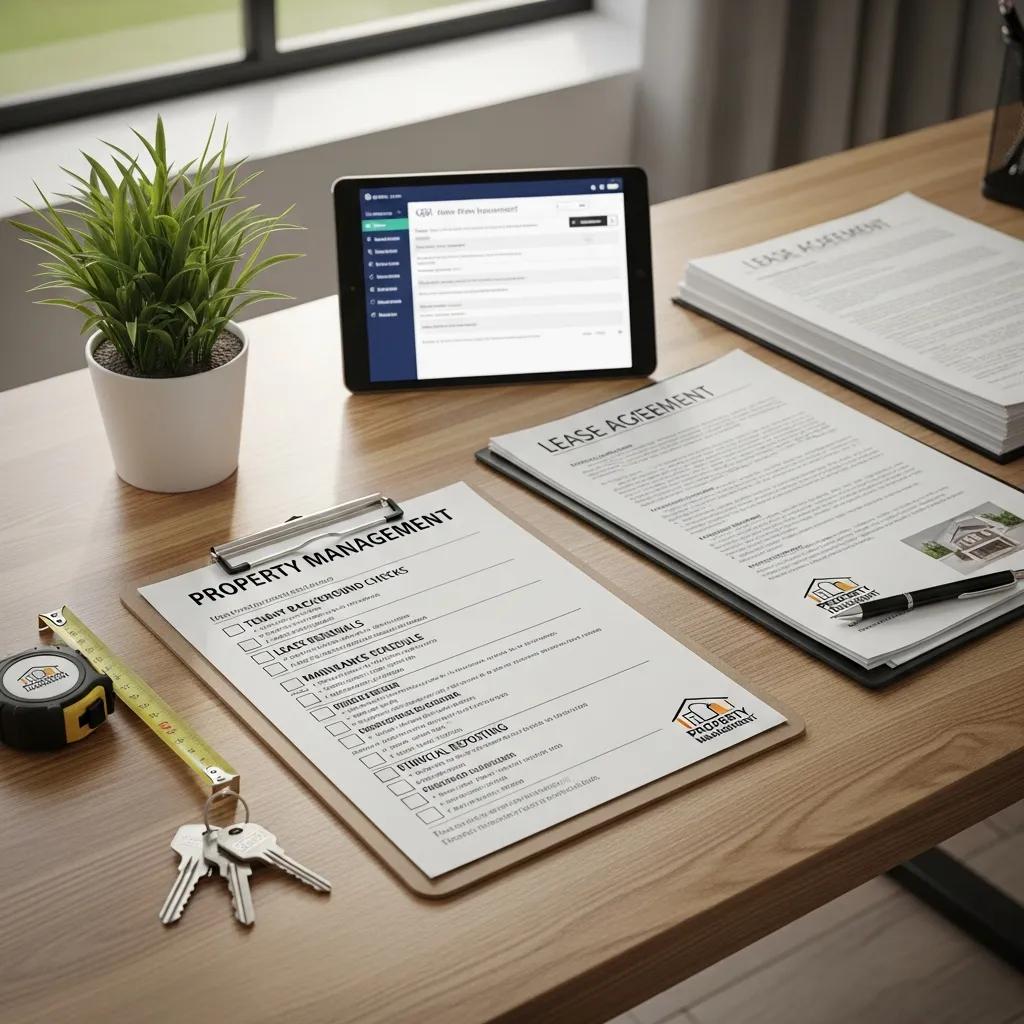
To ensure a smooth remediation process, property owners should prepare the following documentation:
This checklist serves as a guide to streamline the documentation process and facilitate compliance.
Property management plays a crucial role in ensuring compliance with the AEP and maintaining the overall health of a building. Effective property management strategies include:
By implementing these strategies, property management can significantly reduce the risk of AEP listing and enhance tenant satisfaction.
Engaging professional property management services can provide several advantages, including:
These benefits highlight the importance of professional property management in maintaining compliance and enhancing property value.

Tenants play a vital role in ensuring their living conditions are safe and compliant with city regulations. Here are some key points for tenants to consider:
By being proactive, tenants can help maintain safe living conditions and contribute to the overall compliance of their buildings.
Violations under the AEP can lead to significant legal consequences for property owners. Key implications include:
Understanding these legal implications is crucial for property owners to navigate the complexities of the AEP effectively.
Failure to comply with AEP requirements can result in:
These consequences underscore the importance of proactive compliance and effective property management.
Different remediation strategies can yield varying results in terms of effectiveness and efficiency. The following table compares common approaches:
| Strategy | Effectiveness | Timeframe | Cost |
|---|---|---|---|
| DIY Repairs | Moderate | 1-3 months | Low |
| Professional Services | High | 2-4 weeks | Medium |
| Comprehensive Overhaul | Very High | 3-6 months | High |
This comparison illustrates the trade-offs between different remediation strategies, helping property owners make informed decisions.
Navigating the NYC Alternative Enforcement Program (AEP) can be challenging for property owners and tenants alike. By understanding the program’s mechanisms, causes of listing, and effective remediation strategies, stakeholders can work towards compliance and safety. Engaging professional property management services can further enhance compliance efforts, ensuring that properties remain safe and well-maintained. For tenants, being informed about their rights and responsibilities is crucial in fostering a safe living environment. Ultimately, proactive measures and effective communication can lead to successful outcomes for all parties involved.
Ensure your NYC property remains compliant with the Alternative Enforcement Program through expert guidance from Landlord Management. We help you navigate inspections, violations, and enforcement requirements efficiently, protecting your investment and avoiding penalties. Contact us today! Let Landlord Management simplify compliance and keep your building in top condition.
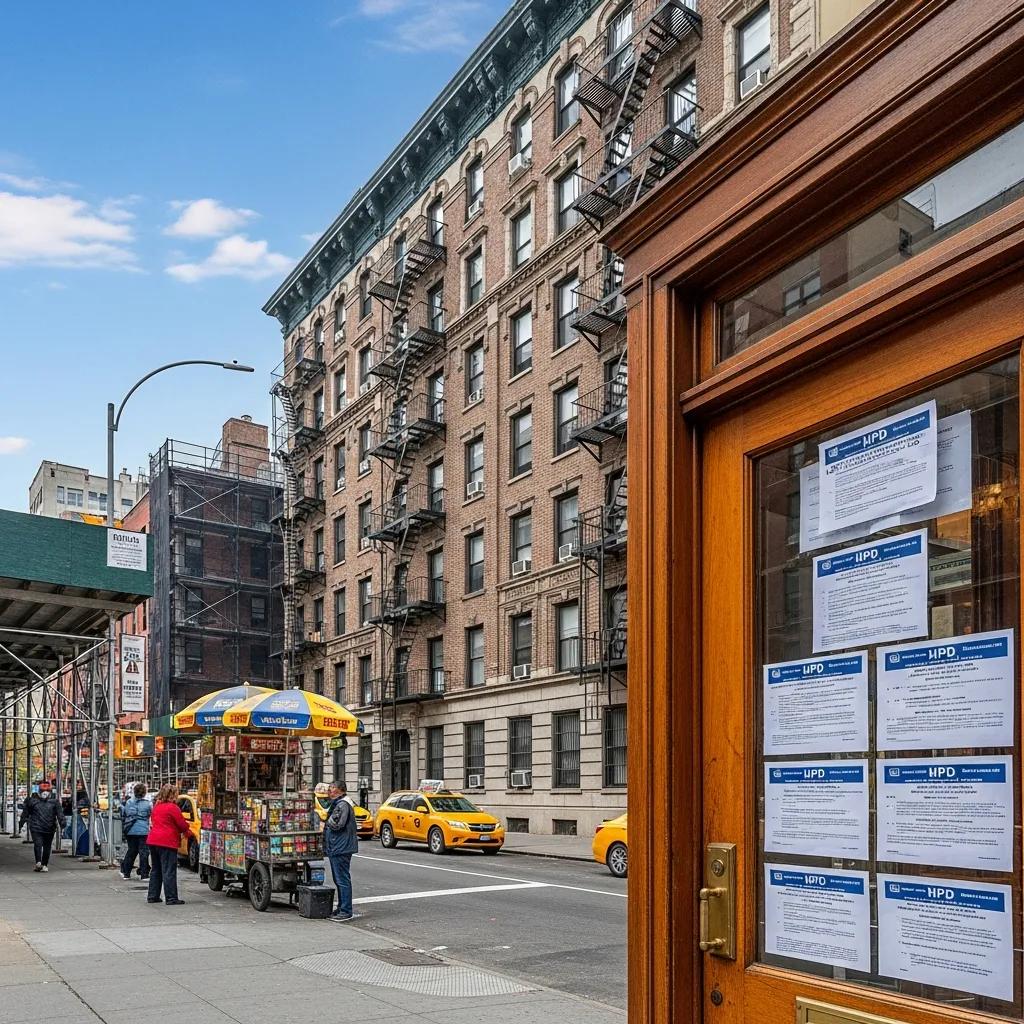
Navigating the complexities of HPD Violations in NYC can be daunting for property owners. Understanding the different classes of violations, the removal process, and the responsibilities of property owners is crucial for maintaining compliance and ensuring tenant safety through housing code compliance guidance. This article will provide a comprehensive overview of HPD violations, including the implications for property owners and the rights of tenants. By the end, you will have a clear understanding of how to manage HPD violations effectively and the resources available to assist you.
The New York City Department of Housing Preservation and Development (HPD) enforces housing regulations to ensure safe and habitable living conditions. Property owners must be aware of their obligations and the potential consequences of non-compliance through housing compliance guidance. This guide will cover the classification of HPD violations, the step-by-step removal process, the responsibilities of property owners, tenant rights, and recent updates to housing codes.
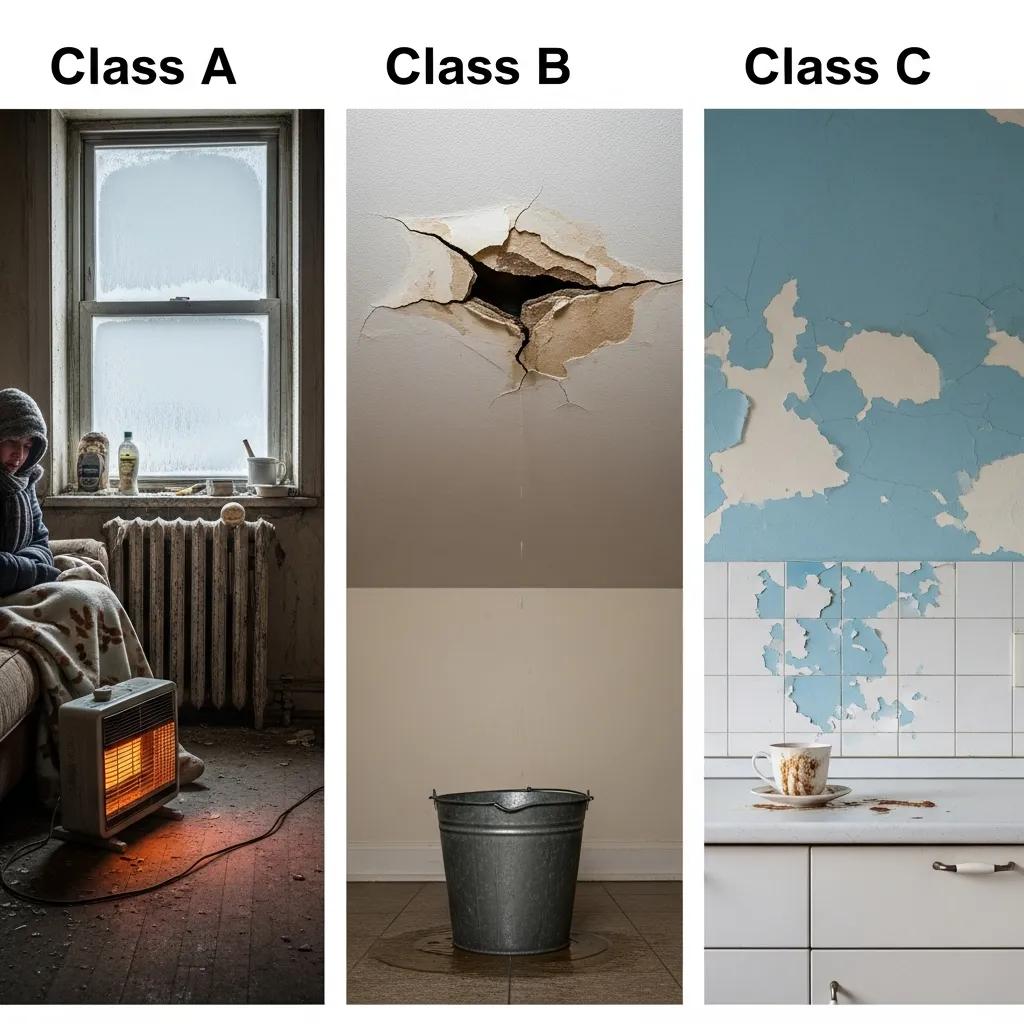
HPD violations are categorized into three classes: Class A, Class B, and Class C violations. Each class represents a different level of severity and urgency regarding the issues identified.
Understanding these classifications helps property owners prioritize their responses and ensure compliance with HPD regulations.

Removing an HPD violation involves a systematic approach to ensure that the issue is resolved and documented properly. Here’s a step-by-step guide to the violation removal process:
Following these steps can help property owners navigate the violation removal process efficiently.
Property owners and boards have specific legal obligations regarding HPD violations. Understanding these responsibilities is essential for compliance and effective property management.
By understanding their responsibilities, property owners can better protect their investments and ensure tenant satisfaction.
Tenants in NYC have specific rights when it comes to HPD violations. Knowing these rights can empower tenants to advocate for their living conditions effectively.
Understanding tenant rights and reporting procedures is vital for fostering a safe living environment.
In 2027, several updates to the NYC housing code will impact property owners and tenants alike. Staying informed about these changes is crucial for compliance.
Keeping abreast of housing code updates ensures that property owners remain compliant and that tenants enjoy safe living conditions.
Failing to comply with HPD regulations can lead to significant consequences for property owners. Understanding these repercussions is essential for effective property management.
Understanding the consequences of non-compliance is crucial for property owners to avoid costly penalties and legal issues.
| Violation Class | Severity Level | Example | Potential Fine |
|---|---|---|---|
| Class A | High | Lack of heat | $1,000+ |
| Class B | Medium | Minor structural issues | $500-$2,000 |
| Class C | Low | Peeling paint | $250-$1,000 |
This table illustrates the varying severity levels and potential fines associated with different classes of HPD violations, highlighting the importance of timely compliance.
By understanding HPD violations, property owners can take proactive steps to ensure compliance and maintain safe living conditions for tenants. This knowledge not only protects their investments but also fosters a positive relationship with tenants, ultimately contributing to a successful property management strategy.
Ensure your property meets all NYC standards and avoid costly HPD Violations in NYC with expert guidance from Landlord Management. We help property owners and boards address violations promptly, maintain compliance, and protect tenant safety. Contact us today! Let Landlord Management simplify compliance and keep your building in top condition.
Local Law 97 is a pivotal piece of legislation aimed at reducing greenhouse gas emissions from buildings in New York City. As building owners grapple with the implications of this law, understanding its requirements and deadlines becomes crucial. This comprehensive guide will delve into the specifics of Local Law 97, including compliance requirements, penalties for non-compliance, and strategies for “energy audits” and retrofitting. Building owners will learn how this law not only impacts their properties but also affects tenants and the broader rental market. By the end of this article, readers will have a clear understanding of Local Law 97 and the necessary steps to ensure compliance.
Enacted as part of the Climate Mobilization Act, aims to significantly reduce carbon emissions from large buildings in New York City through energy compliance consulting. The law sets ambitious emissions limits for buildings over 25,000 square feet, with the goal of achieving a 40% reduction in emissions by 2030 and an 85% reduction by 2050. This legislation is crucial for combating climate change and promoting sustainability within the urban environment. Building owners must recognize the importance of these goals, as compliance not only contributes to environmental preservation but also enhances the value and marketability of their properties.

Building owners must adhere to the specific compliance requirements outlined. These include:
The deadlines for compliance are critical. The first compliance period begins in 2024, with subsequent reporting required annually. Failure to comply with these requirements can result in significant penalties.
For property owners seeking assistance, “property management services” can provide valuable support in navigating these compliance requirements. These services often include energy audits, reporting assistance, and strategies for retrofitting buildings to meet emissions standards.
Non-compliance with Local Law 97 can lead to substantial penalties. The fines are calculated based on the amount by which a building exceeds its emissions limit. The penalties are structured as follows:
| Penalty Type | Calculation Method | Example |
|---|---|---|
| Exceeding emissions limit | $268 per ton of CO2 over the limit | A building exceeding its limit by 10 tons would incur a fine of $2,680. |
| Failure to submit reports | $500 per month for late submissions | A building that submits its report three months late would face a $1,500 fine. |
| Energy audit non-compliance | $1,000 for failing to conduct required audits | A building that skips its mandated energy audit incurs a $1,000 penalty. |
These penalties underscore the importance of timely compliance and proactive management of building emissions.
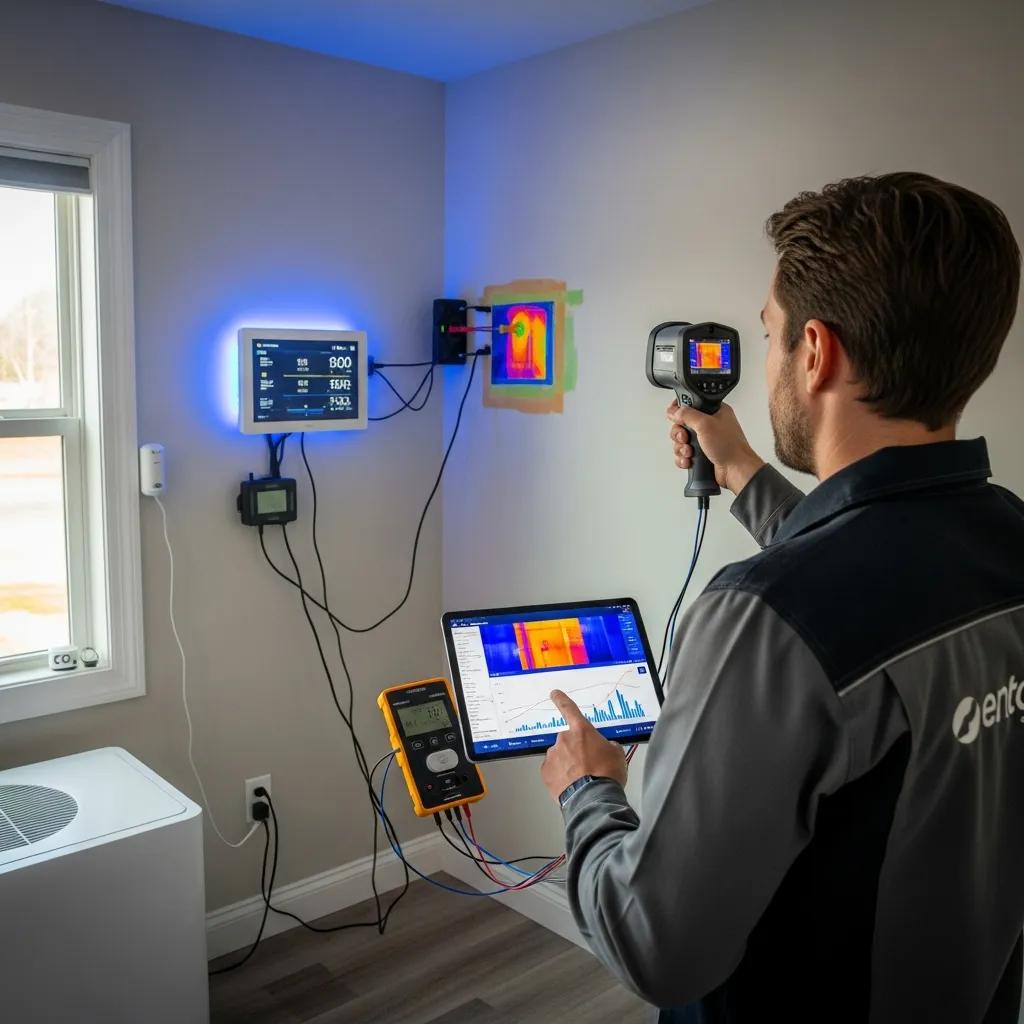
Conducting energy audits and implementing retrofit strategies are essential for compliance. Energy audits help identify inefficiencies and areas for improvement, while retrofitting can significantly reduce emissions.
The necessity of comprehensive energy efficiency retrofits for existing buildings to meet long-term emission reduction targets is a well-established principle.
Building Retrofit Policies for Energy Savings & Emission Reduction
In order to achieve long-term targets for energy savings and emission reductions, substantial savings will be needed from existing buildings. For example, a recent analysis for the USA examines aggressive strategies to cut carbon emissions in half by 2040 and finds that in order to achieve this emission reduction target, more than half of existing buildings will need comprehensive energy efficiency retrofits. In the USA, the focus has been on a combination of rating and disclosure of energy use, financing, and technical assistance.
Policy strategies for achieving large long-term savings from retrofitting existing buildings, C Sebi, 2015
Key strategies include:
Building owners should consider engaging with “energy audit services” to ensure they are taking the right steps toward compliance. These services can provide tailored recommendations based on the specific needs of each building.
Significant implications for tenants and the rental market in New York City. As building owners invest in compliance measures, these costs may be passed on to tenants in the form of higher rents. However, improved energy efficiency can also lead to lower utility bills, benefiting tenants in the long run.
Moreover, compliance with Local Law 97 can enhance the overall quality of rental properties, making them more attractive to prospective tenants. Buildings that meet or exceed emissions standards are likely to see increased demand, as environmentally conscious renters seek sustainable living options.
Property management services play a crucial role in helping building owners navigate the complexities. These services typically include:
Choosing the right “property management service” can significantly ease the burden of compliance and ensure that building owners are well-prepared to meet the law’s requirements.
As of 2026, several case studies highlight successful compliance with Local Law 97. Many building owners have reported significant reductions in emissions through strategic investments in energy efficiency. Recent updates indicate that the city is ramping up enforcement efforts, with increased inspections and penalties for non-compliance.
These developments emphasize the importance of staying informed and its evolving requirements. Building owners must remain proactive in their compliance efforts to avoid penalties and contribute to New York City’s sustainability goals.
Stay compliant and protect your NYC building from fines with expert guidance from Landlord Management. We help property owners navigate energy efficiency requirements, manage audits, and implement solutions to meet regulations. Contact us today! Let Landlord Management simplify compliance and keep your property up to code.