NYC Alternative Enforcement Program (AEP): How to Avoid It and Get Out

NYC Alternative Enforcement Program (AEP): How to Avoid It and Get Out
The NYC Alternative Enforcement Program (AEP) is a crucial initiative aimed at addressing building violations and ensuring compliance with city regulations. This comprehensive guide will help property owners and tenants understand the AEP, its implications, and the steps necessary to avoid or exit the program. Many property owners find themselves overwhelmed by the complexities of building code enforcement and the potential for severe penalties. This article will provide insights into the AEP’s mechanisms, the causes of AEP listing, and a step-by-step remediation process to regain compliance. Additionally, we will explore the role of “property management” in ensuring adherence to regulations and offer guidance for tenants on navigating rental safety.
Introduction to AEP
The NYC Alternative Enforcement Program (AEP) is designed to address buildings with a history of significant violations, aiming to improve safety and compliance within the city through building compliance and violation resolution. The program targets properties that have accumulated multiple violations, often leading to increased scrutiny from the NYC Department of Buildings. The AEP serves as a mechanism to enforce compliance with building codes, ensuring that property owners take necessary actions to rectify violations. This initiative not only impacts property owners but also affects tenants, who may face unsafe living conditions due to unresolved issues. Understanding the AEP is essential for both parties to navigate the complexities of building management and compliance effectively.
Causes of AEP Listing
Several factors can lead to a property being listed under the AEP, primarily revolving around building violations and conditions. Common causes include:
- Accumulation of Violations: Properties with multiple unresolved violations are prime candidates for AEP listing.
- Poor Building Conditions: Deteriorating conditions, such as lack of maintenance or safety hazards, can trigger AEP involvement.
- Reporting Mechanisms: Complaints from tenants or inspections by the NYC Department of Buildings can initiate the AEP process.
Understanding these causes is vital for property owners to take proactive measures to avoid being placed on the AEP list.
Step-by-step remediation process
Removing a property from the AEP list involves a systematic approach to address and rectify violations. The remediation process typically includes the following steps:
- Initial Assessment: Conduct a thorough evaluation of the property to identify all existing violations and necessary repairs.
- Remediation Steps: Implement corrective actions to resolve identified issues, which may include repairs, upgrades, or compliance with safety standards.
- Documentation Required: Gather all necessary documentation, including proof of repairs and compliance certificates, to submit to the NYC Department of Buildings.
Following these steps diligently can significantly enhance the chances of successfully removing a property from the AEP list.
Documentation Checklist for AEP Compliance
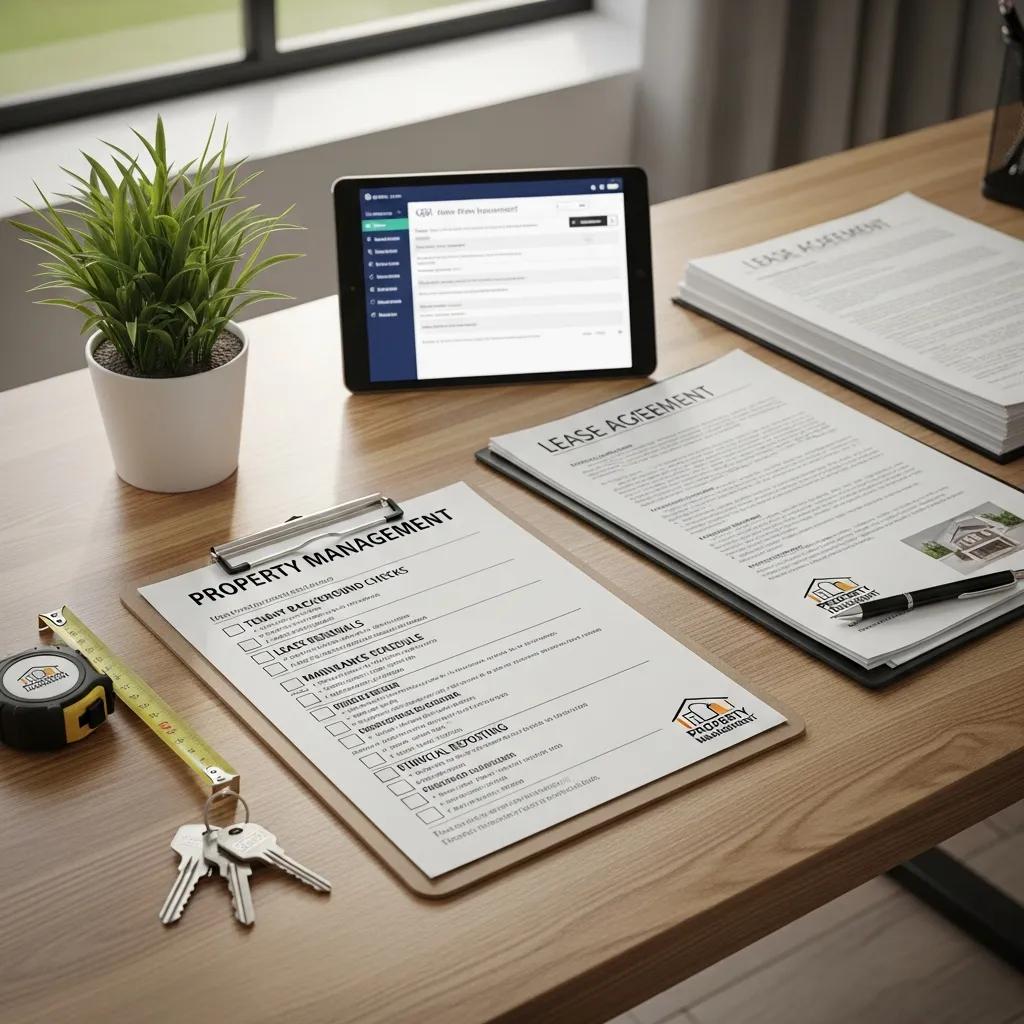
To ensure a smooth remediation process, property owners should prepare the following documentation:
- Violation Notices: Copies of all violation notices received from the NYC Department of Buildings.
- Repair Records: Detailed records of all repairs and maintenance performed on the property.
- Compliance Certificates: Certificates from licensed professionals confirming that all work meets city regulations.
This checklist serves as a guide to streamline the documentation process and facilitate compliance.
Role of Property Management in AEP Compliance for the Alternative Enforcement Program
Property management plays a crucial role in ensuring compliance with the AEP and maintaining the overall health of a building. Effective property management strategies include:
- Proactive Management Strategies: Regular inspections and maintenance can prevent the accumulation of violations.
- Compliance Tracking: Keeping detailed records of all inspections, repairs, and communications with the NYC Department of Buildings is essential for compliance.
- Tenant Communication: Maintaining open lines of communication with tenants can help identify issues early and foster a collaborative approach to property management.
By implementing these strategies, property management can significantly reduce the risk of AEP listing and enhance tenant satisfaction.
Benefits of Professional Property Management Services in the Alternative Enforcement Program
Engaging professional property management services can provide several advantages, including:
- Expertise in Compliance: Property managers are well-versed in local regulations and can navigate the complexities of the AEP effectively.
- Efficient Maintenance: Regular maintenance schedules can prevent violations and ensure the property remains in good standing.
- Tenant Relations: Professional management fosters positive relationships with tenants, leading to better communication and quicker resolution of issues.
These benefits highlight the importance of professional property management in maintaining compliance and enhancing property value.
Tenant Guide to AEP and Rental Safety in the Alternative Enforcement Program

Tenants play a vital role in ensuring their living conditions are safe and compliant with city regulations. Here are some key points for tenants to consider:
- Identifying Compliant Properties: Research properties to ensure they have a good compliance history and are not listed under the AEP.
- Understanding Tenant Rights: Familiarize yourself with tenant rights regarding safety and maintenance issues.
- Reporting Issues: Promptly report any safety concerns or violations to the property management or the NYC Department of Buildings.
By being proactive, tenants can help maintain safe living conditions and contribute to the overall compliance of their buildings.
Legal Implications of AEP Violations in the Alternative Enforcement Program
Violations under the AEP can lead to significant legal consequences for property owners. Key implications include:
- Penalties for Violations: Property owners may face fines and penalties for failing to address violations promptly.
- Legal Recourse for Tenants: Tenants may have the right to pursue legal action if their living conditions are unsafe due to unresolved violations.
- Impact on Property Owners: AEP violations can adversely affect property values and marketability, making compliance essential for long-term success.
Understanding these legal implications is crucial for property owners to navigate the complexities of the AEP effectively.
Consequences of Non-Compliance
Failure to comply with AEP requirements can result in:
- Increased Fines: Accumulating fines for ongoing violations can lead to financial strain.
- Legal Action: Tenants may seek legal remedies, further complicating the situation for property owners.
- Reputational Damage: Properties listed under the AEP may suffer reputational harm, affecting future rental opportunities.
These consequences underscore the importance of proactive compliance and effective property management.
Comparison of Remediation Strategies
Different remediation strategies can yield varying results in terms of effectiveness and efficiency. The following table compares common approaches:
| Strategy | Effectiveness | Timeframe | Cost |
|---|---|---|---|
| DIY Repairs | Moderate | 1-3 months | Low |
| Professional Services | High | 2-4 weeks | Medium |
| Comprehensive Overhaul | Very High | 3-6 months | High |
This comparison illustrates the trade-offs between different remediation strategies, helping property owners make informed decisions.
Conclusion
Navigating the NYC Alternative Enforcement Program (AEP) can be challenging for property owners and tenants alike. By understanding the program’s mechanisms, causes of listing, and effective remediation strategies, stakeholders can work towards compliance and safety. Engaging professional property management services can further enhance compliance efforts, ensuring that properties remain safe and well-maintained. For tenants, being informed about their rights and responsibilities is crucial in fostering a safe living environment. Ultimately, proactive measures and effective communication can lead to successful outcomes for all parties involved.
Ensure your NYC property remains compliant with the Alternative Enforcement Program through expert guidance from Landlord Management. We help you navigate inspections, violations, and enforcement requirements efficiently, protecting your investment and avoiding penalties. Contact us today! Let Landlord Management simplify compliance and keep your building in top condition.