NYC Tenant Eviction Guide for Landlords
NYC Tenant Eviction Services and Legal Process Guide
Navigating the complexities of tenant eviction in New York City can be daunting for landlords, especially with the evolving legal landscape. This comprehensive guide aims to clarify the updated eviction laws, procedural requirements, and tenant rights as of 2026. Landlords will learn about the step-by-step eviction process, the types of notices required, and how to prepare and serve these notices legally. Understanding these elements is crucial for landlords to protect their interests while complying with the law. This article will also explore the specific rules for condo and co-op boards, as well as effective tenant screening practices to minimize eviction risks.
What Are the Updated NYC Eviction Laws for Landlords in 2026?
The eviction laws in New York City have undergone significant changes in 2022, impacting how landlords can manage their properties and handle tenant evictions. These updates reflect a shift towards greater tenant protections while still allowing landlords to enforce their rights. Key legal changes include stricter requirements for eviction notices and enhanced tenant rights during the eviction process. Understanding these laws is essential for landlords to navigate the eviction landscape effectively.
How Do Rent Stabilization and Tenant Protection Laws Affect Evictions?
Rent stabilization laws in NYC provide tenants with various protections that can complicate the eviction process. For instance, landlords must demonstrate specific legal grounds for eviction, such as non-payment of rent or “lease violations”. Additionally, tenant protection laws ensure that tenants have access to legal representation and resources during eviction proceedings. These regulations aim to balance the rights of landlords with the need to protect vulnerable tenants from unjust evictions.
What Are the New Procedural Requirements After the 2021 Moratorium Lift?
Following the lifting of the eviction moratorium in January 2022, landlords must adhere to new procedural requirements when initiating evictions. This includes providing tenants with a written notice detailing the reason for eviction and the amount owed, if applicable. Landlords are also required to file specific court documents and follow a defined timeline for proceedings. Failure to comply with these requirements can result in delays or dismissal of the eviction case.
Indeed, the period following the moratorium has seen a focus on landlord strategies and court filings, as highlighted by recent research.
Landlord Eviction Strategies & Court Filings Post-Moratorium
If the court rules in the landlord’s favor, they issue an eviction. We also heard of calls about formal eviction filings post moratorium was great. ’t provide needed information to process their application.
Extra-judicial evictions and changing landlord strategies in response to the eviction moratorium, EG Goetz, 2025
How Does the NYC Tenant Eviction Process Work Step-by-Step?
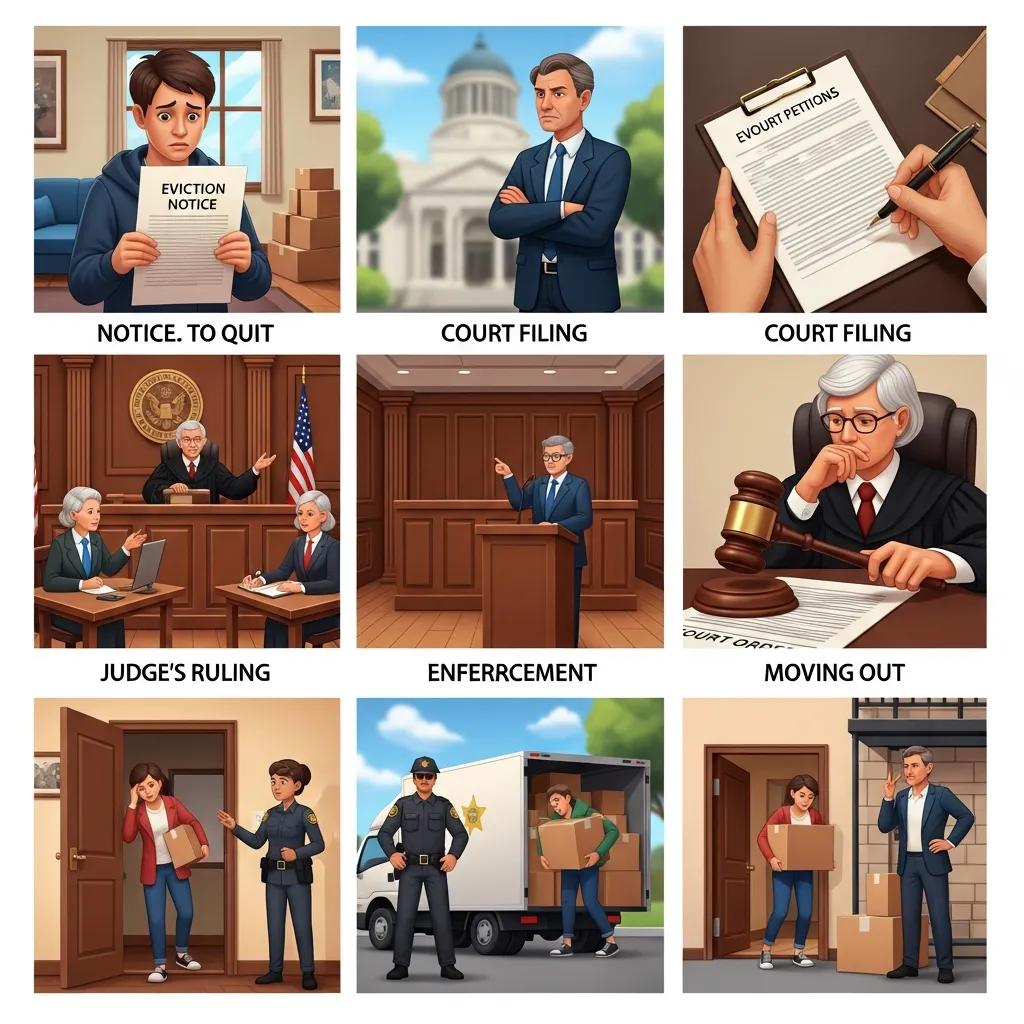
The NYC tenant eviction process involves several critical steps that landlords must follow to ensure compliance with the law. Understanding this process is vital for landlords to avoid legal pitfalls and ensure a smooth eviction.
- Serve the Eviction Notice: Landlords must serve the appropriate eviction notice to the tenant, specifying the reason for eviction and the time frame for compliance.
- File the Eviction Case: If the tenant does not comply with the notice, landlords can file an eviction case in the NYC Housing Court.
- Attend the Court Hearing: Both parties will present their cases in court, where a judge will determine the outcome based on the evidence provided.
What Types of Eviction Notices Must Landlords Serve?
Landlords must serve specific types of eviction notices depending on the reason for eviction. Common types include:
- Notice to Quit: This notice informs the tenant that they must vacate the premises by a specified date.
- Non-Payment Notice: This notice is served when a tenant fails to pay rent, detailing the amount owed and the deadline for payment.
- Lease Violation Notice: This notice outlines specific lease violations that must be corrected within a given time frame.
Each notice type has distinct legal requirements that landlords must follow to ensure validity.
How Are Eviction Cases Filed and Adjudicated in NYC Housing Court?
Filing an eviction case in NYC Housing Court involves several steps. Landlords must complete the necessary court documents, including the petition and notice of petition, and file them with the court. Once filed, a court date will be scheduled, where both the landlord and tenant can present their arguments. The judge will then issue a ruling based on the evidence and legal arguments presented during the hearing.
The efficiency and fairness of these court proceedings are subjects of ongoing discussion and reform efforts, as some research suggests.
NYC Housing Court: Simplified Eviction Processes & Reforms
processes are simplified and expedited, leaving little room for fair adjudication of factual. Housing Court cases, almost always eviction, are clear.
Dismantling Second-Class Justice through Transformative Reform in New York City Housing Court, Albany Law Review (forthcoming), 2025
How to Prepare and Serve Eviction Notices Legally in NYC?
Preparing and serving eviction notices legally is crucial for landlords to avoid complications in the eviction process. Understanding the legal requirements ensures that notices are valid and enforceable.
What Are the Legal Requirements for Serving Eviction Papers in NYC?
In NYC, landlords must adhere to specific legal requirements when serving eviction papers. This includes:
- Proper Delivery: Notices must be delivered in person or sent via certified mail to ensure the tenant receives them.
- Documentation: Landlords should keep records of the delivery method and date to provide evidence if needed in court.
- Compliance with Time Frames: Notices must comply with the required time frames set by law, allowing tenants adequate time to respond.
How Can Digital Delivery and Documentation Improve Compliance?
Utilizing digital delivery methods for eviction notices can enhance compliance and streamline the process. Digital documentation allows landlords to maintain accurate records of all communications and notices served. This can be particularly beneficial in court, where proof of service is required. Additionally, digital tools can help landlords track compliance and ensure that all legal requirements are met.
What Are Tenant Rights and Protections During the Eviction Process?

Tenants in NYC have specific rights and protections during the eviction process, which landlords must respect. Understanding these rights is essential for landlords to avoid legal issues and ensure fair treatment of tenants.
How Does Mediation and Tenant Assistance Affect Eviction Outcomes?
Mediation services can play a significant role in resolving disputes between landlords and tenants. These services provide a neutral platform for both parties to discuss their issues and seek mutually agreeable solutions. Tenant assistance programs can also offer resources and support to tenants facing eviction, potentially reducing the number of evictions and fostering better landlord-tenant relationships.
What Are Tenant Obligations and How Can Landlords Communicate Effectively?
Tenants have specific obligations under their lease agreements, including timely rent payment and property maintenance. Effective communication between landlords and tenants is crucial for addressing issues before they escalate to eviction. Landlords should establish clear lines of communication and encourage tenants to report problems promptly to foster a positive rental relationship.
What Are the Specific Eviction Rules for Condo and Co-op Boards in NYC?
Condo and co-op boards in NYC have unique rules governing evictions that differ from standard landlord-tenant relationships. Understanding these rules is essential for board members and property managers.
How Do Condo and Co-op Boards Initiate and Manage Evictions?
Condo and co-op boards can initiate evictions through a formal process that typically involves a vote by the board members. Once approved, the board must follow the same legal procedures as individual landlords, including serving eviction notices and filing cases in court. Proper management of this process is crucial to ensure compliance with both state laws and the building’s governing documents.
What Legal Frameworks Govern Evictions in Condos and Co-ops?
Evictions in condos and co-ops are governed by a combination of state laws and the specific bylaws of the building. Boards must ensure that their eviction processes align with these regulations to avoid legal challenges. Understanding the legal frameworks is essential for boards to navigate the eviction process effectively.
How Can Landlords Screen Tenants and Manage Properties to Minimize Eviction Risks?
Effective tenant screening and property management practices can significantly reduce the risk of eviction for landlords. Implementing these strategies is essential for maintaining a stable rental environment.
What Are Effective Tenant Screening Practices in NYC?
Landlords should employ comprehensive tenant screening practices to identify reliable tenants. Key practices include:
- Background Checks: Conduct thorough background checks to assess a tenant’s rental history and creditworthiness.
- Income Verification: Require proof of income to ensure tenants can afford the rent.
- References: Contact previous landlords for references to gauge the tenant’s reliability and behavior.
How Does Proper Documentation Support Eviction Cases?
Maintaining proper documentation is vital for landlords to support their eviction cases. This includes keeping records of all communications, notices served, and tenant interactions. Well-organized documentation can provide crucial evidence in court, demonstrating that landlords have followed legal procedures and acted in good faith throughout the eviction process.