Landlord Legal Help NYC | Tenant Law Guide
Landlord Legal Help NYC and Tenant Law Guide
Navigating the complexities of landlord-tenant relationships in New York City can be daunting for both parties. This comprehensive guide aims to clarify the essential aspects of tenant law, housing court procedures, and HPD violations, providing valuable insights for landlords and tenants alike. Readers will learn about their rights and responsibilities, the legal obligations of landlords, and how to effectively navigate housing court. Understanding these elements is crucial for maintaining compliance and ensuring fair treatment in rental agreements. This article will cover key topics, including tenant rights, the eviction process, common HPD violations, and the role of property management legal services. By the end, readers will be equipped with the knowledge to address their legal concerns effectively.
What Are the Key NYC Landlord Tenant Rights and Responsibilities?
In New York City, both landlords and tenants have specific rights and responsibilities that govern their relationship. Understanding these rights is essential for ensuring compliance with the law and fostering a positive rental experience. Tenants have the right to a safe and habitable living environment, which includes access to necessary services such as heat, hot water, and proper maintenance. Conversely, landlords are responsible for maintaining the property and ensuring it meets health and safety standards. Legal compliance is crucial for both parties, as violations can lead to significant consequences.
This complex legal framework is defined by a dynamic collection of statutes that outline the specific obligations and entitlements of both parties.
New York Landlord-Tenant Law: Rights & Responsibilities
“landlord and tenant law” refers to a dynamic collection of statutes from a variety of legal topic areas codified in the laws of the State of New York. This body of law governs the rights and responsibilities of both landlords and tenants.
Landlord-Tenant Law: Foundational Knowledge for an Evolving Practice Area, 2024
How Do NYC Rent Stabilization Laws Affect Landlords and Tenants?
NYC rent stabilization laws provide essential protections for tenants, limiting the amount landlords can increase rent annually. These laws ensure that tenants can afford their housing while providing landlords with a predictable income stream. For instance, the Rent Guidelines Board sets an allowable increase percentage each year, which can impact landlords’ profitability. Non-compliance with these regulations can lead to legal disputes and financial penalties, making it vital for both parties to understand their rights under these laws.
What Legal Obligations Do Landlords Have Toward Tenants in NYC?
Landlords in NYC have several legal obligations toward their tenants, primarily focused on maintaining safe living conditions. This includes ensuring that the property is free from hazardous conditions and that necessary repairs are made promptly. Additionally, landlords must follow proper eviction procedures, which involve providing written notice and allowing tenants the opportunity to respond. Failure to comply with these obligations can result in legal action, highlighting the importance of understanding tenant rights and landlord responsibilities.
How to Navigate NYC Housing Court Procedures Effectively?
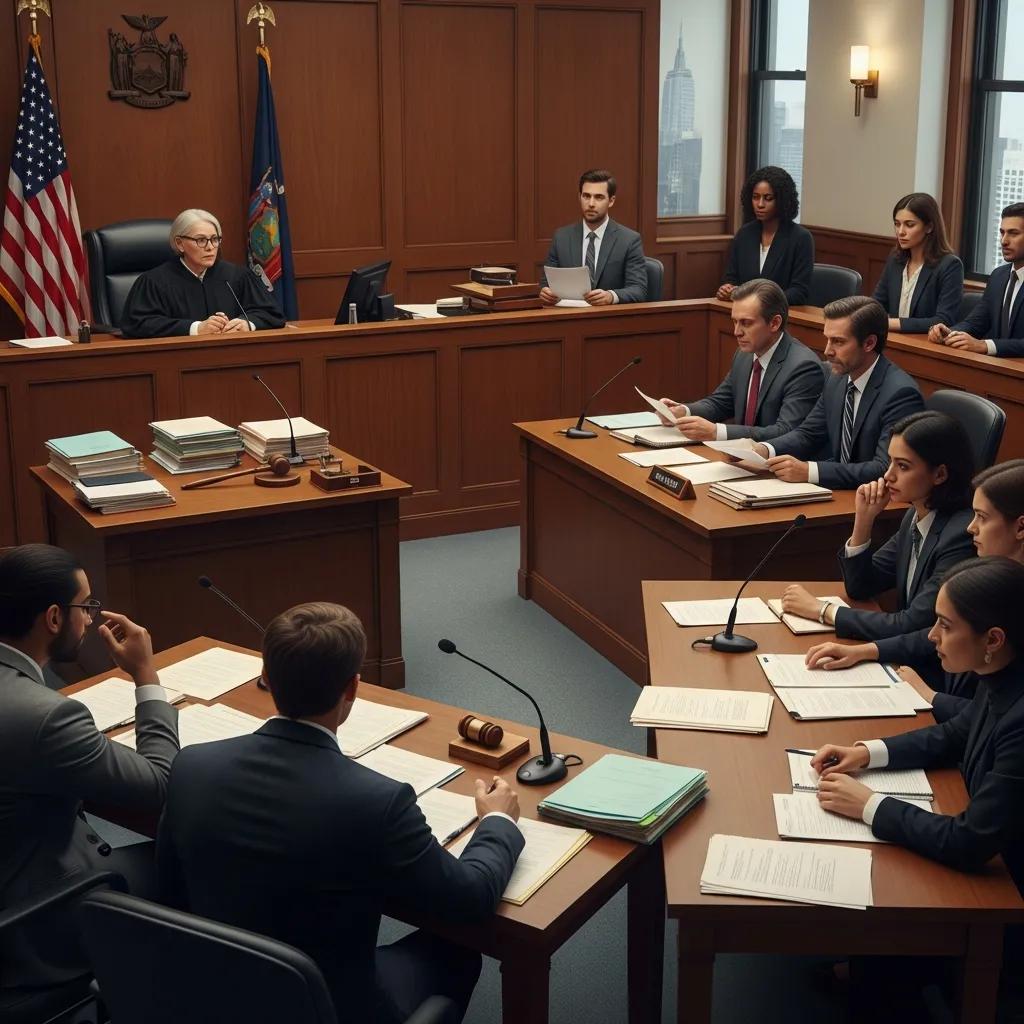
Navigating the housing court system in NYC can be challenging, but understanding the procedures can significantly ease the process for both landlords and tenants. Housing court is where disputes between landlords and tenants are resolved, including eviction proceedings and claims for unpaid rent. Familiarity with the court’s structure and processes is essential for effective representation.
What Is the Step-by-Step Tenant Eviction Process in NYC Housing Court?
The tenant eviction process in NYC housing court involves several critical steps:
- Written Notice: Landlords must provide tenants with a written notice of eviction, specifying the reason for the eviction and the time frame for compliance.
- Filing a Complaint: If the tenant does not comply, the landlord can file a complaint with the housing court, initiating the legal process.
- Court Hearing: A court hearing is scheduled, where both parties can present their case. It is essential for landlords to prepare all necessary documentation, including lease agreements and payment records.
Understanding these steps can help landlords and tenants navigate the eviction process more effectively, reducing stress and confusion.
How Can Landlords and Tenants Represent Themselves in Housing Court?
Self-representation in housing court is possible for both landlords and tenants, but it requires preparation and knowledge of the legal process. Resources are available to assist individuals in understanding their rights and responsibilities. For instance, legal aid organizations often provide guidance on preparing for court, including tips on gathering evidence and presenting a case. Common pitfalls to avoid include failing to bring necessary documents and not understanding court procedures, which can hinder the chances of a favorable outcome.
Despite the possibility of self-representation, it’s important to acknowledge the significant disparity in legal counsel often observed in these courtrooms.
NYC Housing Court: Landlord & Tenant Legal Representation
Day after day, nine out of ten landlords are represented by counsel in New York City’s housing court while only two out of ten tenants are represented by counsel.
Recognizing a Right to Counsel for Indigent Tenants in Eviction Proceedings in New York, 1991
What Are Common HPD Violations in NYC and How Are They Resolved?
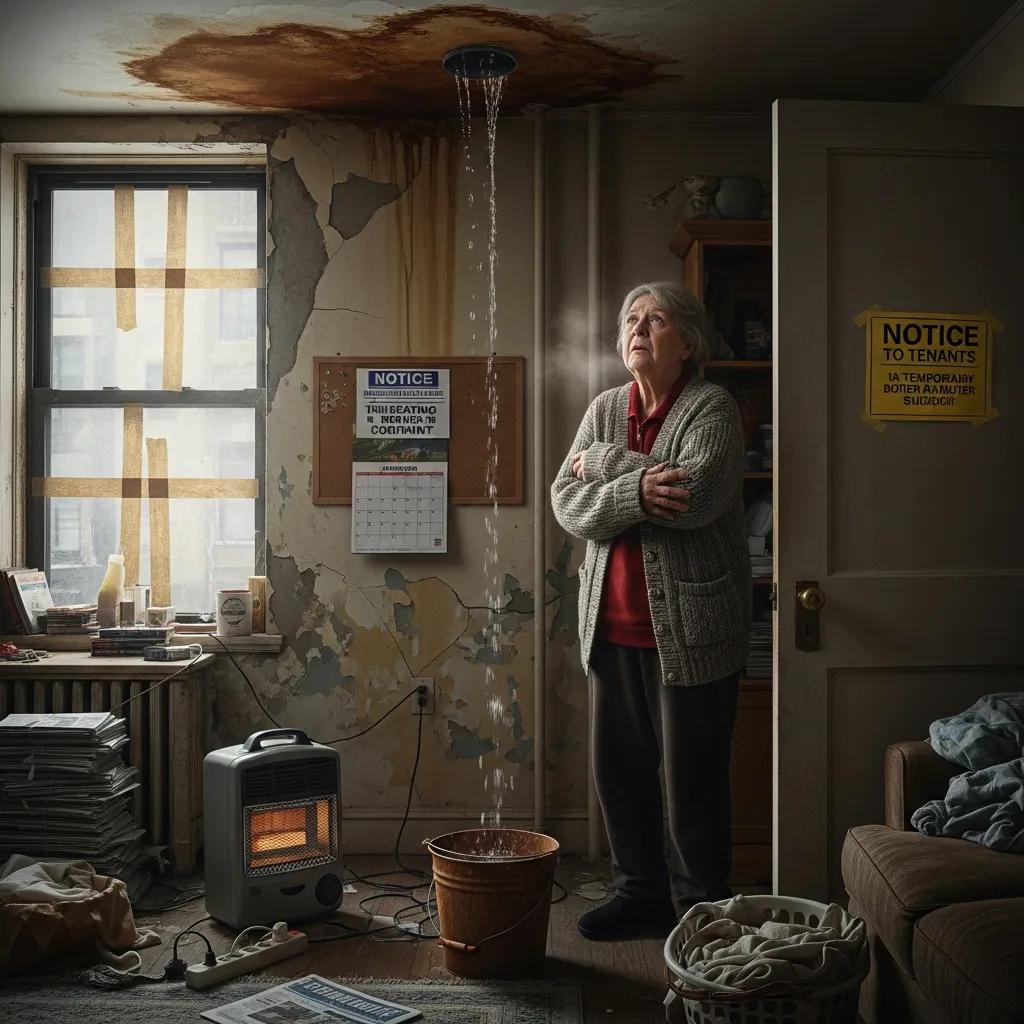
The NYC Department of Housing Preservation and Development (HPD) enforces housing regulations to ensure safe living conditions. Common HPD violations include issues such as lack of heat, water leaks, and failure to maintain common areas. Understanding these violations is crucial for both landlords and tenants to ensure compliance and address any issues promptly.
Historically, the prevalence of such issues has been a significant concern, underscoring the need for robust enforcement and resolution mechanisms.
NYC HPD Violations & HP Proceedings for Property Owners
In 1970, every multiple dwelling in New York City had at least one violation. property owners can bring an HP proceeding to compel HPD to remove building violations.
HP PROCEEDINGS: APrimer, G Lebovits, 1970
How to Identify and File Complaints for HPD Violations?
Identifying HPD violations involves inspecting the property for any health or safety issues. Tenants can file complaints with the HPD through their online portal or by calling the department directly. It is essential to document any violations thoroughly, including taking photographs and keeping records of communication with the landlord. Following up on complaints is also crucial to ensure that issues are addressed in a timely manner.
What Are the Potential Fines and Enforcement Actions for HPD Violations?
HPD violations can result in significant fines and enforcement actions against landlords. The types of fines vary depending on the severity of the violation, with potential penalties for non-compliance. Enforcement actions may include requiring landlords to make necessary repairs or facing legal action from tenants. Understanding these consequences can motivate landlords to maintain their properties and comply with regulations.
What Are the Legal Responsibilities of Condo and Co-op Boards in NYC?
Condo and co-op boards in NYC have specific legal responsibilities that ensure the proper management of their properties. These responsibilities include compliance with local laws, maintaining building safety, and handling disputes among residents. Understanding these obligations is essential for board members to fulfill their roles effectively.
How Do Condo and Co-op Boards Manage Property Compliance and Tenant Relations?
Condo and co-op boards manage property compliance through regular inspections and maintenance schedules. They also play a crucial role in tenant relations by addressing concerns and mediating disputes. Effective communication and transparency are vital for fostering a positive community atmosphere and ensuring compliance with regulations.
What Legal Support Services Are Available for Boards Handling Tenant Issues?
Legal support services for condo and co-op boards include lease reviews, dispute resolution assistance, and eviction support. These services help boards navigate complex legal issues and ensure compliance with housing laws. Engaging legal professionals can provide boards with the expertise needed to handle tenant issues effectively and maintain property standards.
How Can Property Management Legal Services Support NYC Landlords?
Property management legal services offer essential support for landlords in NYC, helping them navigate the complexities of tenant law and housing regulations. These services can assist with legal compliance, tenant management, and eviction processes, ensuring that landlords operate within the law.
What Legal Compliance Services Do Property Managers Provide?
Property managers provide various legal compliance services, including drafting lease agreements that adhere to local laws and regulations. They also offer guidance on rent stabilization laws, helping landlords understand their obligations and avoid potential legal issues. By ensuring compliance, property managers can help landlords maintain their properties and protect their investments.
How Do Property Managers Assist in Resolving Tenant Disputes and Evictions?
Property managers play a crucial role in resolving tenant disputes and facilitating evictions when necessary. They employ mediation techniques to address conflicts and can initiate eviction processes if tenants fail to comply with lease agreements. Legal representation in court is also available through property management services, providing landlords with the support they need during legal proceedings.
What Resources Help Tenants Understand Their Rights and Find Compliant Rentals in NYC?
Tenants in NYC have access to various resources that help them understand their rights and find compliant rental properties. These resources are essential for ensuring that tenants are informed and can advocate for themselves effectively.
How Can Tenants Verify Rental Properties for HPD Compliance?
Tenants can verify rental properties for HPD compliance by checking the HPD registration status and reviewing lease agreements for any discrepancies. It is also advisable to report any violations to the HPD promptly. This proactive approach can help tenants ensure they are living in safe and compliant housing.
What Are Common Tenant Rights FAQs and How to Access Legal Help?
Common tenant rights FAQs include questions about security deposits, eviction processes, and landlord responsibilities. Tenants can access legal help through various organizations that provide resources and support for understanding their rights. Engaging with these resources can empower tenants to navigate their rental situations confidently.