HPD Violations in NYC: What Building Owners Need to Know
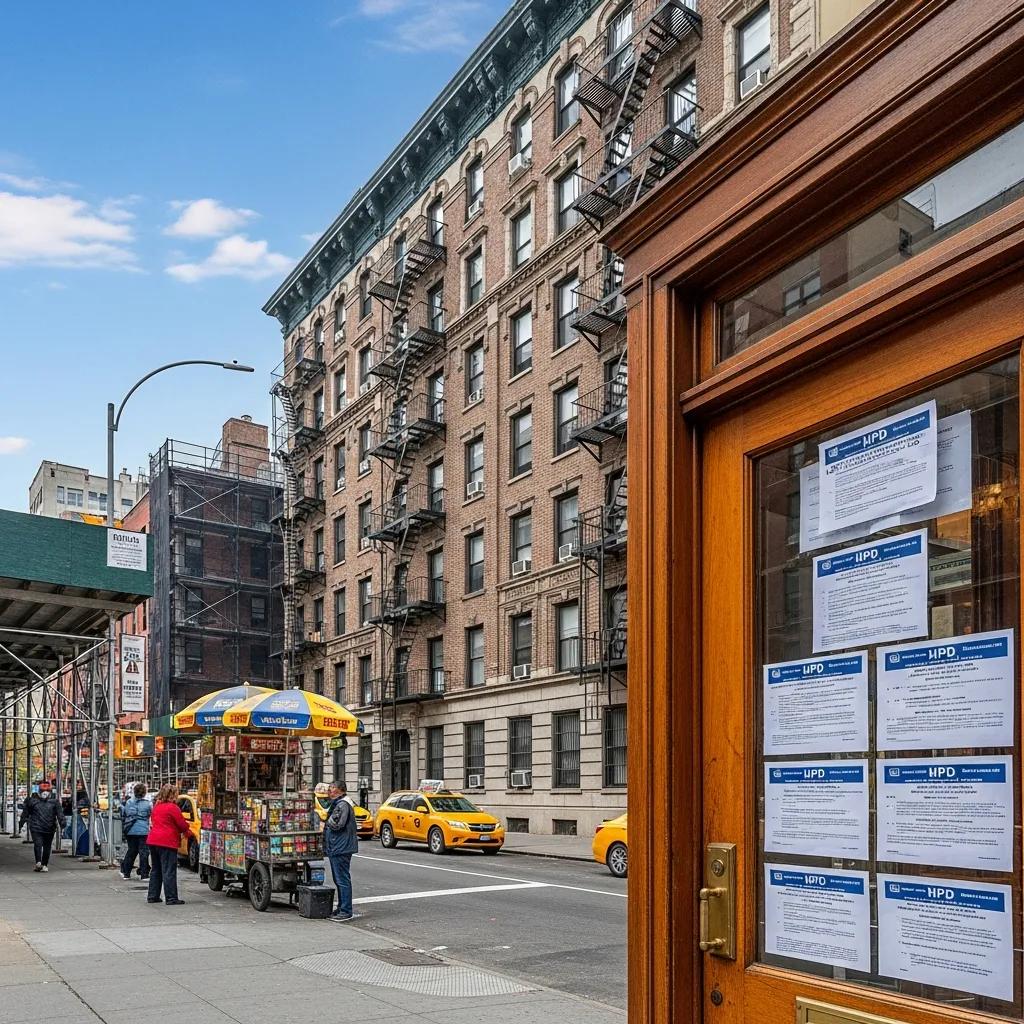
HPD Violations in NYC: What Building Owners Need to Know
Navigating the complexities of HPD Violations in NYC can be daunting for property owners. Understanding the different classes of violations, the removal process, and the responsibilities of property owners is crucial for maintaining compliance and ensuring tenant safety through housing code compliance guidance. This article will provide a comprehensive overview of HPD violations, including the implications for property owners and the rights of tenants. By the end, you will have a clear understanding of how to manage HPD violations effectively and the resources available to assist you.
The New York City Department of Housing Preservation and Development (HPD) enforces housing regulations to ensure safe and habitable living conditions. Property owners must be aware of their obligations and the potential consequences of non-compliance through housing compliance guidance. This guide will cover the classification of HPD violations, the step-by-step removal process, the responsibilities of property owners, tenant rights, and recent updates to housing codes.
Understanding HPD Violation Classes in HPD Violations in NYC
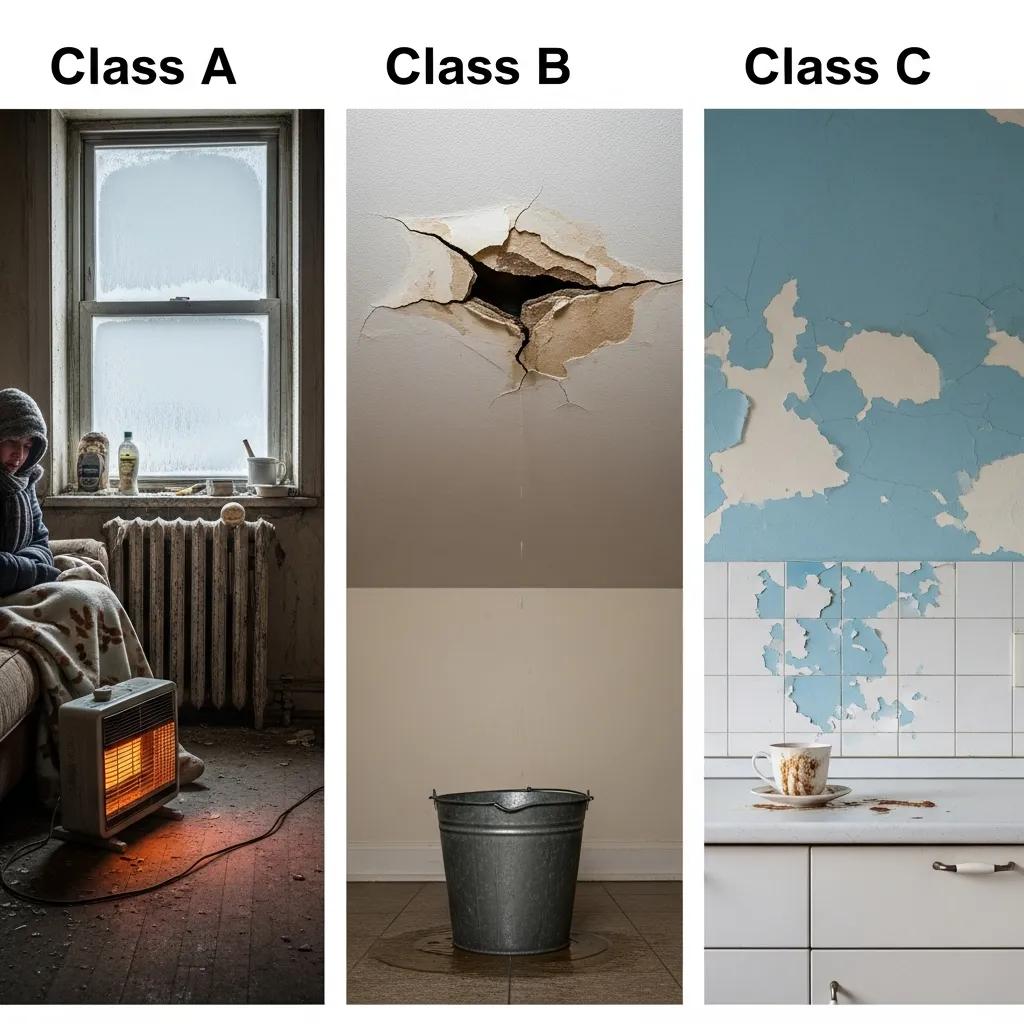
HPD violations are categorized into three classes: Class A, Class B, and Class C violations. Each class represents a different level of severity and urgency regarding the issues identified.
- Class A Violations: These are the most serious violations, posing an immediate threat to health and safety. Examples include lack of heat or hot water, severe structural issues, or hazardous conditions.
- Class B Violations: These violations are less severe but still require prompt attention. They may include issues like inadequate maintenance or minor structural problems that could escalate if not addressed.
- Class C Violations: These are the least severe but still need to be resolved. They often involve non-critical issues such as peeling paint or minor plumbing problems.
Understanding these classifications helps property owners prioritize their responses and ensure compliance with HPD regulations.
Step-by-Step HPD Violation Removal Process in HPD Violations in NYC

Removing an HPD violation involves a systematic approach to ensure that the issue is resolved and documented properly. Here’s a step-by-step guide to the violation removal process:
- Initial Assessment: Upon receiving a violation notice, property owners should assess the issue immediately. This includes understanding the nature of the violation and its classification.
- Corrective Action: Take the necessary steps to rectify the violation. This may involve repairs, maintenance, or other actions to bring the property into compliance.
- Documentation: Keep detailed records of all actions taken to resolve the violation. This includes photographs, receipts, and any correspondence with contractors or HPD.
- Notification to HPD: Once the violation has been addressed, notify HPD of the corrective actions taken. This can often be done through the HPD online portal.
- Follow-Up Inspection: HPD may conduct a follow-up inspection to verify that the violation has been resolved. Ensure that all documentation is available for review.
Following these steps can help property owners navigate the violation removal process efficiently.
HPD Violations NYC and Owner Responsibilities Guide
Property owners and boards have specific legal obligations regarding HPD violations. Understanding these responsibilities is essential for compliance and effective property management.
- Legal Obligations: Property owners must ensure that their buildings meet all safety and health standards as outlined by NYC housing regulations. This includes maintaining common areas, providing essential services, and addressing tenant complaints promptly.
- Best Practices for Compliance: Regular inspections and maintenance can help identify potential issues before they escalate into violations. Implementing a proactive property management strategy is crucial.
- Role of Property Management Services: Engaging professional property management services can assist owners in maintaining compliance with HPD regulations. These services can provide expertise in handling violations, conducting inspections, and managing tenant relations.
By understanding their responsibilities, property owners can better protect their investments and ensure tenant satisfaction.
Tenant Rights and Reporting Procedures in HPD Violations in NYC
Tenants in NYC have specific rights when it comes to HPD violations. Knowing these rights can empower tenants to advocate for their living conditions effectively.
- Rights of Tenants Under NYC Law: Tenants have the right to live in safe and habitable conditions. If a property owner fails to address violations, tenants can report these issues to HPD.
- How to Report Violations to HPD: Tenants can report violations through the HPD website or by calling the HPD hotline. It is essential to provide detailed information about the issue to facilitate a prompt response.
- Resources for Tenant Support: Various organizations offer support and resources for tenants facing issues with HPD violations. These include legal aid services and tenant advocacy groups that can provide guidance on navigating the reporting process.
Understanding tenant rights and reporting procedures is vital for fostering a safe living environment.
HPD Violations in NYC: NYC Housing Code Updates 2027
In 2027, several updates to the NYC housing code will impact property owners and tenants alike. Staying informed about these changes is crucial for compliance.
- Overview of Changes in the Housing Code: Recent updates focus on enhancing tenant protections and improving building safety standards. This includes stricter regulations on heating and cooling systems, as well as requirements for regular maintenance checks.
- Impact on Property Owners and Tenants: These changes may require property owners to invest in upgrades and improvements to meet new standards. Tenants will benefit from enhanced safety measures and better living conditions.
- Compliance Deadlines: Property owners should be aware of compliance deadlines associated with these updates to avoid potential penalties.
Keeping abreast of housing code updates ensures that property owners remain compliant and that tenants enjoy safe living conditions.
Consequences of Non-Compliance and Fines in HPD Violations in NYC
Failing to comply with HPD regulations can lead to significant consequences for property owners. Understanding these repercussions is essential for effective property management.
- Types of Fines for Violations: HPD imposes fines for various violations, which can escalate if not addressed promptly. Class A violations typically incur the highest fines, while Class C violations may result in lower penalties.
- Legal Actions That Can Be Taken: In severe cases of non-compliance, HPD may initiate legal action against property owners, which can lead to court proceedings and additional fines.
- Long-Term Impacts on Property Ownership: Persistent violations can affect a property owner’s reputation and ability to rent units. It may also lead to increased scrutiny from regulatory agencies.
Understanding the consequences of non-compliance is crucial for property owners to avoid costly penalties and legal issues.
| Violation Class | Severity Level | Example | Potential Fine |
|---|---|---|---|
| Class A | High | Lack of heat | $1,000+ |
| Class B | Medium | Minor structural issues | $500-$2,000 |
| Class C | Low | Peeling paint | $250-$1,000 |
This table illustrates the varying severity levels and potential fines associated with different classes of HPD violations, highlighting the importance of timely compliance.
By understanding HPD violations, property owners can take proactive steps to ensure compliance and maintain safe living conditions for tenants. This knowledge not only protects their investments but also fosters a positive relationship with tenants, ultimately contributing to a successful property management strategy.
Ensure your property meets all NYC standards and avoid costly HPD Violations in NYC with expert guidance from Landlord Management. We help property owners and boards address violations promptly, maintain compliance, and protect tenant safety. Contact us today! Let Landlord Management simplify compliance and keep your building in top condition.