Building Compliance Services in Ridgewood, Queens
Building Compliance Services in Ridgewood, Queens
Building compliance is a critical aspect of property management, particularly in urban areas like Ridgewood, Queens. Understanding the various regulations and requirements can help property owners and tenants navigate the complexities of housing codes and ensure safety and legality in their living environments. This article will delve into the essential components of building compliance services, focusing on HPD violations, landlord obligations, and the resources available for both landlords and tenants. By addressing these topics, we aim to provide valuable insights into maintaining compliance and avoiding potential legal issues.
In this guide, we will explore the following key sections: an overview of “HPD violations”, the legal obligations of landlords, property management solutions for condo and co-op boards, and resources for tenants seeking rental properties and understanding their rights. Each section will provide a comprehensive understanding of the compliance landscape in Ridgewood, equipping readers with the knowledge they need to manage their properties effectively.
Understanding HPD Violations
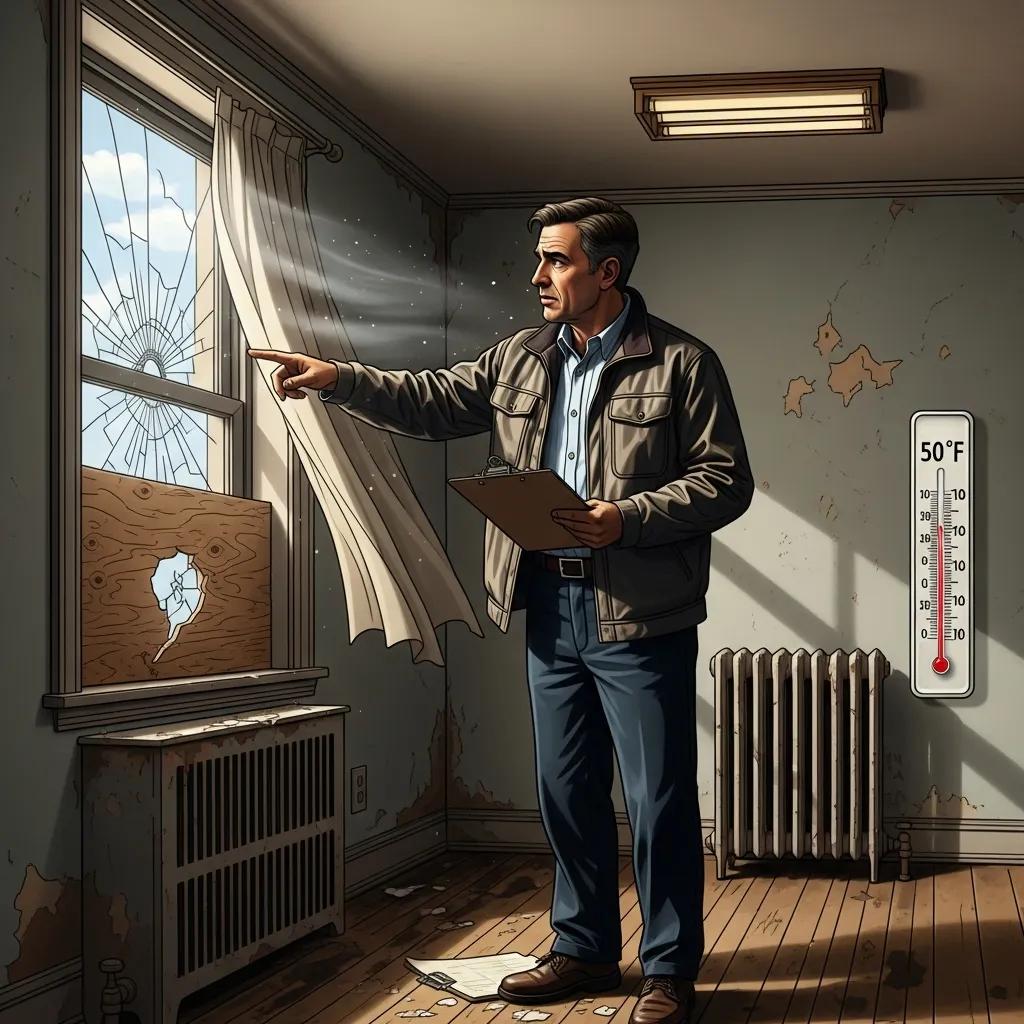
HPD violations refer to infractions of the New York City Housing Maintenance Code, which governs the maintenance and safety of residential buildings. These violations can arise from various issues, including inadequate heating, plumbing problems, or failure to maintain common areas. The implications of HPD violations can be severe, leading to fines, legal action, and even the potential loss of rental income for landlords.
Common types of HPD violations include:
- Class A Violations: Serious issues that pose immediate risks to health and safety, such as lack of heat or hot water.
- Class B Violations: Less severe but still significant, these may include issues like broken windows or leaks.
- Class C Violations: Non-hazardous violations that require correction but do not pose immediate danger, such as peeling paint.
Understanding these classifications is crucial for both landlords and tenants, as they dictate the urgency and type of response required. Failure to address these violations can lead to escalated penalties and further legal complications.
Landlord Compliance Obligations
Landlords in New York City have specific legal obligations to ensure their properties meet safety and maintenance standards. These obligations include:
- Regular Inspections: Landlords must conduct routine inspections to identify and rectify any potential violations.
- Timely Repairs: Any reported issues must be addressed promptly, particularly those classified as Class A violations.
- Tenant Communication: Landlords are required to inform tenants about their rights and the status of repairs.
Failure to comply with these obligations can result in significant penalties, including fines and legal action from tenants or the city. Additionally, landlords may face challenges in retaining tenants if they do not maintain their properties adequately.
Compliance Requirements for Landlords
To better understand the compliance landscape, the following table outlines key compliance requirements for landlords in Ridgewood:
| Requirement | Description | Penalty for Non-Compliance |
|---|---|---|
| Regular Inspections | Conduct routine checks for safety and maintenance | Fines up to $1,000 |
| Timely Repairs | Address reported issues within a specified timeframe | Legal action from tenants |
| Tenant Communication | Inform tenants of their rights and repair status | Loss of tenant trust and potential lawsuits |
This table highlights the importance of adhering to compliance requirements to avoid legal repercussions and maintain a positive relationship with tenants.
Property Management Solutions for Condo and Co-op Boards
Property management services play a vital role in ensuring compliance for condo and co-op boards. These services can include:
- Regular Maintenance: Ensuring that all common areas are well-maintained and compliant with city regulations.
- Financial Management: Handling budgets and financial reporting to ensure funds are available for necessary repairs and improvements.
- Tenant Relations: Facilitating communication between the board and residents to address concerns and maintain a harmonious living environment.
Engaging professional property management services can alleviate the burden on board members, allowing them to focus on strategic decisions while ensuring compliance with all relevant regulations.
Benefits of Professional Management
- Expertise: Professionals are well-versed in local laws and regulations, ensuring compliance.
- Efficiency: Streamlined processes for maintenance and tenant communication improve overall management.
- Cost-Effectiveness: Proper management can prevent costly violations and fines.
These benefits underscore the value of investing in professional property management to maintain compliance and enhance the living experience for residents.
Tenant Resources - Finding Rental Properties and Rights
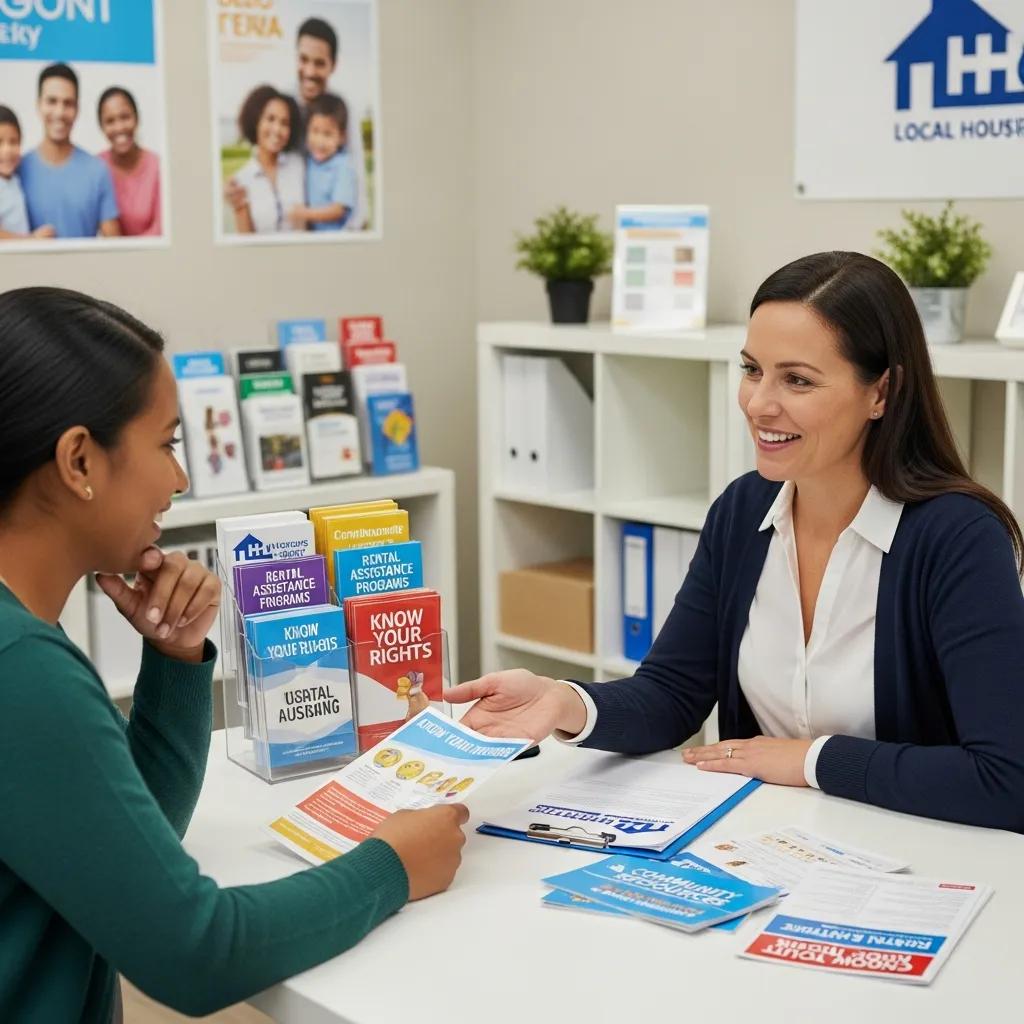
Tenants in Ridgewood have access to various resources to help them navigate the rental market and understand their rights. These resources include:
- Local Housing Agencies: Organizations that provide information on tenant rights and available rental properties.
- Legal Aid Services: Free or low-cost legal assistance for tenants facing eviction or disputes with landlords.
- Online Platforms: Websites that list available rental properties and provide guidance on tenant rights.
The importance of legal representation for tenants in housing disputes cannot be overstated, as evidenced by studies on its impact.
Legal Counsel’s Impact on NYC Tenant Outcomes
The results demonstrate that the provision of legal counsel produces large differences in outcomes for low-income tenants in housing court, independent of the merits of the case. For example, only 22% of represented tenants had final judgments against them, compared with 51% of tenants without legal representation. Similarly large advantages for tenants with an attorney also were found in eviction orders and stipulations requiring the landlord to provide rent abatements or repairs.
The impact of legal counsel on outcomes for poor tenants in New York City’s housing court: results of a randomized experiment, G Van Ryzin, 2001
Understanding these resources is essential for tenants to advocate for their rights and ensure they are living in safe and compliant housing.
How to Find Rental Properties
When searching for rental properties, tenants should consider the following tips:
- Utilize Online Listings: Websites like Zillow and Apartments.com can provide a comprehensive view of available rentals.
- Visit Local Agencies: Local housing agencies often have listings and can provide assistance in understanding tenant rights.
- Network with Residents: Speaking with current residents can provide insights into the property and the landlord’s responsiveness.
These strategies can help tenants find suitable housing while ensuring they are aware of their rights and responsibilities.