Building Compliance Services in Crown Heights, Brooklyn

Building Compliance Services in Crown Heights, Brooklyn
Building compliance is a critical aspect of property management, particularly in urban areas like Crown Heights, Brooklyn. This article delves into the essential components of building compliance services, focusing on landlord responsibilities, tenant rights, and the resolution of HPD violations. Readers will gain insights into the processes involved in maintaining compliance with local regulations, the importance of adhering to building codes, and the resources available for both landlords and tenants. As property owners and tenants navigate the complexities of compliance, understanding these elements can significantly impact their experiences and responsibilities. This guide will cover the HPD violation resolution process, landlord compliance requirements, condo and co-op board guidelines, tenant rights, and recent updates to the NYC housing code.
HPD Violation Resolution Process
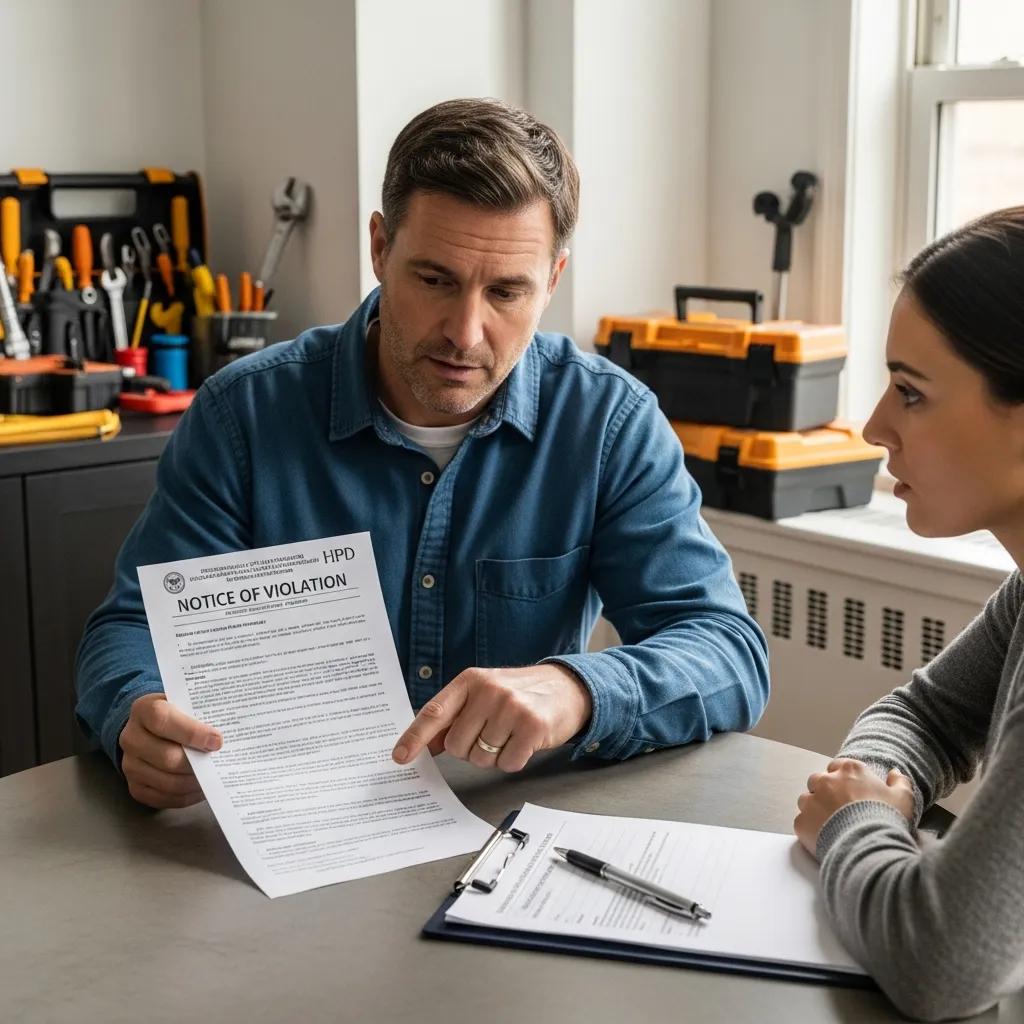
The HPD violation resolution process is a structured approach to addressing issues identified by the NYC Housing Preservation Department (HPD). This process typically involves several steps, including the identification of violations, notification to the property owner, and the requirement for corrective actions. Understanding this process is crucial for landlords to maintain compliance and avoid penalties. The resolution of HPD violations not only ensures the safety and habitability of rental properties but also protects landlords from potential legal repercussions.
Steps to Resolve Violations
- Notification: Landlords receive a notice detailing the specific violations identified by HPD.
- Inspection: A follow-up inspection is conducted to verify that the necessary repairs have been made.
- Compliance: Landlords must address the violations within the specified timeframe to avoid fines or further legal action.
These steps highlight the importance of prompt action in resolving HPD violations, ensuring that properties remain compliant with city regulations.
Common Types of Violations
HPD violations can vary widely, but some of the most common types include:
- Lack of Heat or Hot Water: Essential services must be maintained to ensure tenant comfort and safety.
- Structural Issues: Problems such as leaks, mold, or unsafe conditions must be addressed immediately.
- Failure to Maintain Common Areas: Landlords are responsible for keeping shared spaces clean and safe.
Addressing these violations promptly is essential for maintaining tenant satisfaction and compliance with local laws.
Importance of Compliance
Compliance with HPD regulations is not just a legal obligation; it also fosters a positive relationship between landlords and tenants. By ensuring that properties meet safety and habitability standards, landlords can reduce turnover rates and enhance their reputation in the community. Moreover, compliance helps prevent costly fines and legal disputes, making it a vital aspect of property management.
Landlord Compliance Requirements in NYC
Landlords in New York City must adhere to a variety of compliance requirements to ensure the safety and well-being of their tenants. These regulations cover everything from building maintenance to tenant rights, and understanding them is crucial for successful property management.
Key Compliance Regulations
- Building Codes: Landlords must ensure that their properties meet all local building codes, which dictate safety standards and construction practices.
- Tenant Notifications: Landlords are required to inform tenants of their rights and any changes to lease agreements.
- Regular Inspections: Properties must undergo regular inspections to identify and rectify any potential hazards.
These regulations are designed to protect both tenants and landlords, ensuring a safe living environment.
Consequences of Non-Compliance
Failure to comply with NYC regulations can lead to severe consequences, including:
- Fines: Landlords may face significant fines for each violation.
- Legal Action: Tenants may take legal action against landlords for failing to maintain safe living conditions.
- Loss of Rental License: Persistent non-compliance can result in the loss of the ability to rent out properties.
Understanding these consequences underscores the importance of maintaining compliance with all regulations.
Resources for Landlords
Landlords can access various resources to help them navigate compliance requirements, including:
- NYC Housing Preservation Department: Offers guidance on compliance and resources for landlords.
- Legal Aid Organizations: Provide assistance with understanding tenant rights and landlord responsibilities.
- Property Management Services: Professional services can help landlords manage compliance effectively.
Utilizing these resources can significantly ease the burden of compliance for property owners.
Condo and Co-op Board Compliance Guidelines
Condo and co-op boards play a crucial role in maintaining compliance within their buildings. These boards are responsible for enforcing rules and regulations that ensure the safety and well-being of all residents.
Roles of Condo and Co-op Boards
Condo and co-op boards are tasked with:
- Enforcing Building Rules: Boards must ensure that all residents adhere to the established rules and regulations.
- Managing Common Areas: Boards are responsible for the maintenance and safety of shared spaces.
- Handling Disputes: Boards often mediate disputes between residents to maintain harmony within the community.
These roles are essential for fostering a safe and enjoyable living environment.
Compliance Responsibilities
Boards must ensure compliance with various regulations, including:
- Fire Safety Codes: Regular inspections and maintenance of fire safety equipment are mandatory.
- Building Maintenance: Boards must oversee the upkeep of common areas and ensure that they meet safety standards.
- Financial Transparency: Boards are required to maintain transparent financial records and provide regular updates to residents.
By fulfilling these responsibilities, condo and co-op boards help maintain a safe and compliant living environment for all residents.
Tenant Rights and Rental Property Search in Crown Heights
Understanding tenant rights is essential for anyone renting a property in Crown Heights. Tenants have specific rights under NYC law that protect them from unfair practices and ensure their safety.
Tenant Rights Under NYC Law
- Right to a Safe Living Environment: Tenants are entitled to live in a property that meets health and safety standards.
- Right to Privacy: Landlords must provide notice before entering a tenant’s unit, except in emergencies.
- Right to Fair Treatment: Tenants cannot be discriminated against based on race, gender, or other protected characteristics.
These rights are fundamental to ensuring a fair and equitable rental experience.
How to Find Rental Properties
Finding a rental property in Crown Heights can be challenging, but several resources can assist prospective tenants:
- Online Listings: Websites and apps dedicated to rental listings can provide a comprehensive view of available properties.
- Real Estate Agents: Local agents can offer personalized assistance in finding suitable rentals.
- Community Boards: Local community boards often have resources and listings for available rentals.
Utilizing these resources can streamline the rental search process and help tenants find suitable housing.
Resources for Tenants

Tenants can access various resources to understand their rights and responsibilities better, including:
- NYC Department of Housing Preservation and Development: Offers information on tenant rights and resources for assistance.
- Legal Aid Societies: Provide legal assistance and advice for tenants facing issues with landlords.
- Tenant Advocacy Groups: Organizations that advocate for tenant rights and provide support in disputes.
These resources empower tenants to navigate their rights effectively and ensure they are treated fairly.
NYC Housing Code Updates 2023
As of 2023, several updates to the NYC housing code will impact both landlords and tenants. Staying informed about these changes is crucial for compliance and understanding rights.
Key Changes in the Housing Code
- Increased Safety Standards: New regulations will require enhanced safety measures in residential buildings.
- Energy Efficiency Requirements: Landlords will need to implement energy-efficient practices to reduce environmental impact.
- Tenant Protections: Additional protections will be put in place to safeguard tenant rights and ensure fair treatment.
These updates reflect the city’s commitment to improving living conditions and promoting sustainability.
Impact on Landlords and Tenants
The updates to the housing code will have significant implications for both landlords and tenants:
- Landlords: May face increased costs associated with compliance and upgrades to properties.
- Tenants: Will benefit from improved safety standards and enhanced protections under the law.
Understanding these changes is essential for both parties to navigate the evolving landscape of housing regulations effectively.